Parts of England under heat alert with 30C possible
Yellow heat health alerts cover much of England until Sunday morning, with temperatures potentially reaching 30C, as drought is declared in parts of Wales amid record dry conditions.
Intelligence analysis by Llama
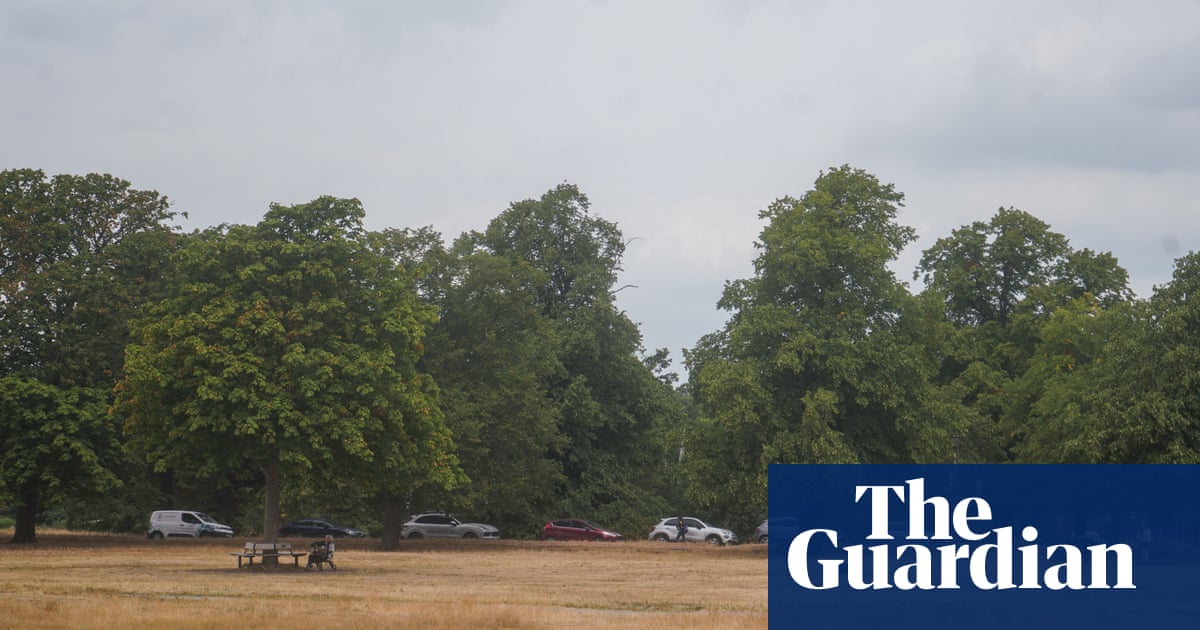
The UK Health Security Agency has issued yellow heat health alerts across six English regions through Sunday, with highs of 30C forecast. The warning follows a drought declaration in north Wales and the upper Severn — the first UK region to do so — after England received just 3% of its average July rainfall.
Parts of England are very hot, like a really warm summer day that just won't stop. Officials are telling people to be careful, especially older folks and anyone who's not feeling well. Wales is so dry that the government said it's officially a drought, which means there's not enough water — and fires are starting in the countryside because everything is so parched.
Analysis
A Region-Wide Health Warning
The UK Health Security Agency, working with the Met Office, has activated yellow heat health alerts across six English regions: the East Midlands, east of England, London, south-east, south-west, and West Midlands. The warnings run until 9am on Sunday and flag likely impacts on health and wellbeing, particularly for vulnerable groups. The Met Office's Craig Snell noted that south-east England could see 30C on Friday, with outbreaks of rain pushing south from Scotland and Northern Ireland by Saturday. The article frames this as a multi-layered event — a health alert, a transport disruption risk, and the latest chapter in a broader dry summer.
Drought Reaches the UK for the First Time
Perhaps the more striking development is the drought declaration for north Wales and the upper Severn region, described as the first part of the UK to enter formal drought status this summer. The trigger was a confluence of record dry conditions, heatwaves, wildfires, and dwindling rivers. England has received just 3% of its average July rainfall, according to the Guardian's reporting, and hosepipe bans now cover 23 million customers, with suppliers warning restrictions may persist all summer. A nationwide hosepipe ban is also in place in Ireland, underscoring the cross-border nature of the water stress. The article explicitly links the pattern to "human-caused climate change, mostly from burning fossil fuels," situating the event within a longer trend of more extreme UK summers.
Travel and Tourism in the Crossfire
The heat alerts coincide with the peak of the UK summer getaway, amplifying operational pressures on already-strained infrastructure. The AA reported roughly 6.3 million drivers planning road trips of more than 100 miles between Friday and the following Thursday. The Port of Dover, expecting another busy weekend, has been working to smooth delays from new EU border checks; on Friday morning it posted a 40-minute buffer-zone processing time, while ferry operator DFDS reported up to 60 minutes at border controls. Wildfires are burning in both England and Scotland — including a major fire in the Cairngorms — adding another layer of risk. With the Met Office projecting fresher conditions and possible rain by Sunday, the immediate window of acute heat may close, but the underlying dry conditions look set to persist.
Key points
- Yellow heat health alerts cover six English regions until 9am Sunday, with 30C possible in the south-east.
- North Wales and the upper Severn region became the first UK areas to declare drought status this summer.
- England has received just 3% of its average July rainfall, and hosepipe bans now affect 23 million customers.
- Wildfires are burning in England and at a major incident in Scotland's Cairngorms; Ireland has a nationwide hosepipe ban.
- The Met Office expects cooler conditions and some rain by Sunday, though dry patterns are likely to persist.
If rainfall fails to materialise meaningfully, hosepipe bans covering 23 million customers could extend deep into the autumn, and reservoirs may fall further. Continued dry, warm conditions raise the risk of additional wildfires — already burning in England and the Cairngorms — and could push heat-related hospital admissions higher in regions under alert.