Pensioners Can Skip NADRA Offices With This New Digital Service
Pakistan's NADRA has introduced a digital service via the Pak ID app, allowing pensioners to obtain proof of life certificates from home, significantly reducing the need for physical visits.
Intelligence analysis by Gemini 2.5 Flash
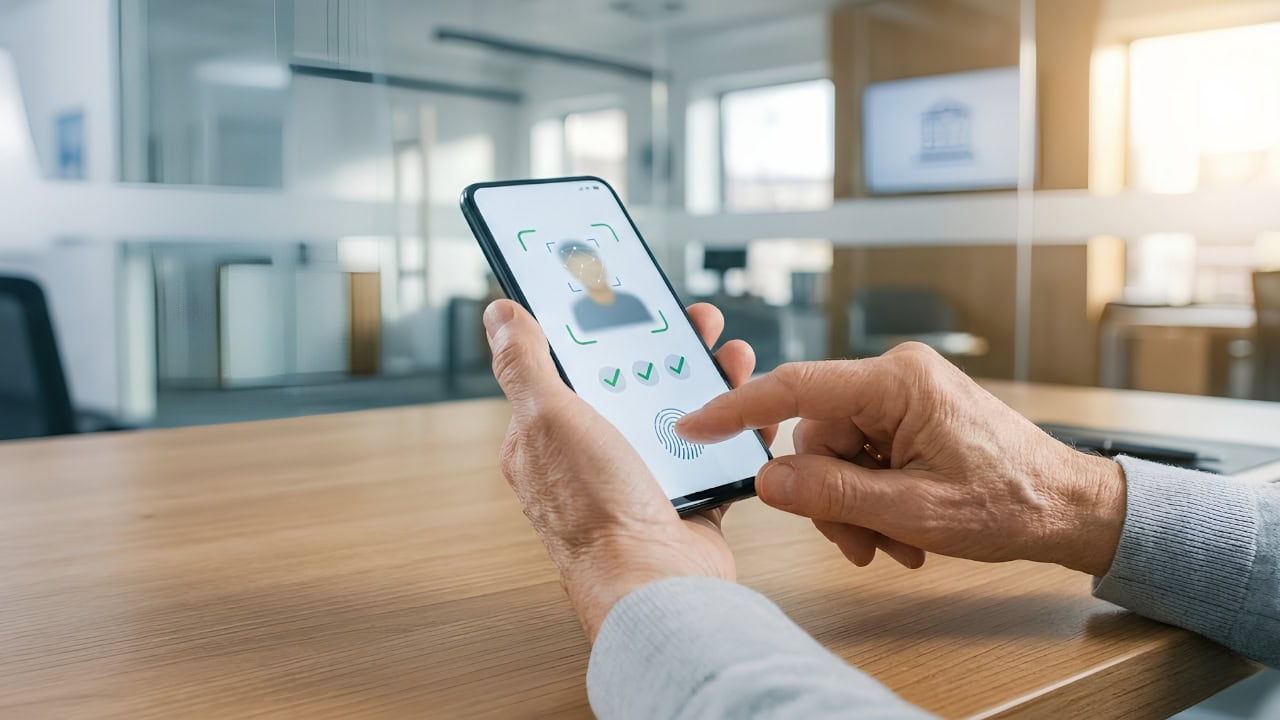
The National Database and Registration Authority (NADRA) in Pakistan has streamlined the process for pensioners to acquire proof of life certificates. A new digital service, accessible through the Pak ID app, enables over half of all applicants to complete the verification from their homes, enhancing convenience and efficiency.
Imagine your grandparents used to stand in long lines just to prove they're still alive to get their pension money. Now, Pakistan has a new phone app called Pak ID that lets them do it from their comfy couch, just by taking a picture. It's like magic, making life much easier for them!
Analysis
The introduction of a digital service for obtaining proof of life certificates marks a significant advancement in Pakistan's public sector digitization efforts. This initiative, spearheaded by the National Database and Registration Authority (NADRA), directly addresses a long-standing challenge for pensioners who previously had to endure often arduous visits to NADRA centers or E-Sahulat facilities. The shift towards digital verification through the Pak ID app not only enhances convenience but also reflects a broader governmental push towards modernizing administrative processes.
337,000 Pensioners
In just one month, over 337,000 pensioners successfully obtained their proof of life certificates, demonstrating the immediate impact and adoption of the new system. A remarkable 52 percent of these individuals utilized the Pak ID app from the comfort of their homes, highlighting the strong preference for and accessibility of digital solutions. This substantial uptake underscores the critical need for such services and the readiness of a significant portion of the pensioner population to embrace digital platforms for essential tasks. The remaining certificates were issued through traditional channels, indicating a hybrid approach that still caters to those less digitally inclined.
Pak ID App
The Pak ID app is at the core of this digital transformation, serving as the primary conduit for pensioners to secure their proof of life certificates remotely. By leveraging this application, NADRA has effectively decentralized a key administrative function, moving it from physical offices to personal devices. The app's role in facilitating 174,906 certificate issuances in a single month speaks volumes about its operational efficiency and user-friendliness. This digital platform not only simplifies the process but also aligns with global trends of digital identity and service delivery, positioning Pakistan to better serve its citizens through technology.
Mohsin Naqvi
The initiative to simplify the certificate process for pensioners was directly influenced by directives from Interior Minister Mohsin Naqvi. This political backing is crucial for driving such large-scale digital reforms within government institutions. Naqvi's involvement signals a high-level commitment to improving citizen services and leveraging technology to achieve greater administrative efficiency and public satisfaction. Such directives are vital in overcoming bureaucratic hurdles and ensuring that digital transformation projects receive the necessary resources and impetus to succeed, ultimately benefiting a large segment of the population.
Key points
- NADRA has launched a new digital service for pensioners to obtain proof of life certificates.
- The service is primarily accessible through the Pak ID app, allowing verification from home.
- Over 337,000 pensioners obtained certificates in one month, with 52% using the app.
- The initiative aims to simplify the process and expand services, following directives from Interior Minister Mohsin Naqvi.
- Traditional NADRA centers and E-Sahulat centers still serve a significant portion of pensioners.
This digital service promises significantly enhanced convenience for pensioners, reducing travel burdens and wait times, especially for the elderly or those with mobility issues. It could lead to greater efficiency in pension distribution and a more streamlined, accessible government service overall.
While beneficial, the success of this digital service could be hampered by the digital divide, as some pensioners may lack access to smartphones, internet, or the necessary digital literacy. This could inadvertently exclude a segment of the population, necessitating continued support for traditional verification methods.