Pentagon blacklist raises spectre of investment curbs for Chinese tech firms
The Pentagon added Alibaba, Baidu and other Chinese firms to its blacklist, heightening reputational risk and worries about US investment access.
Intelligence analysis by GPT-5.4 Mini
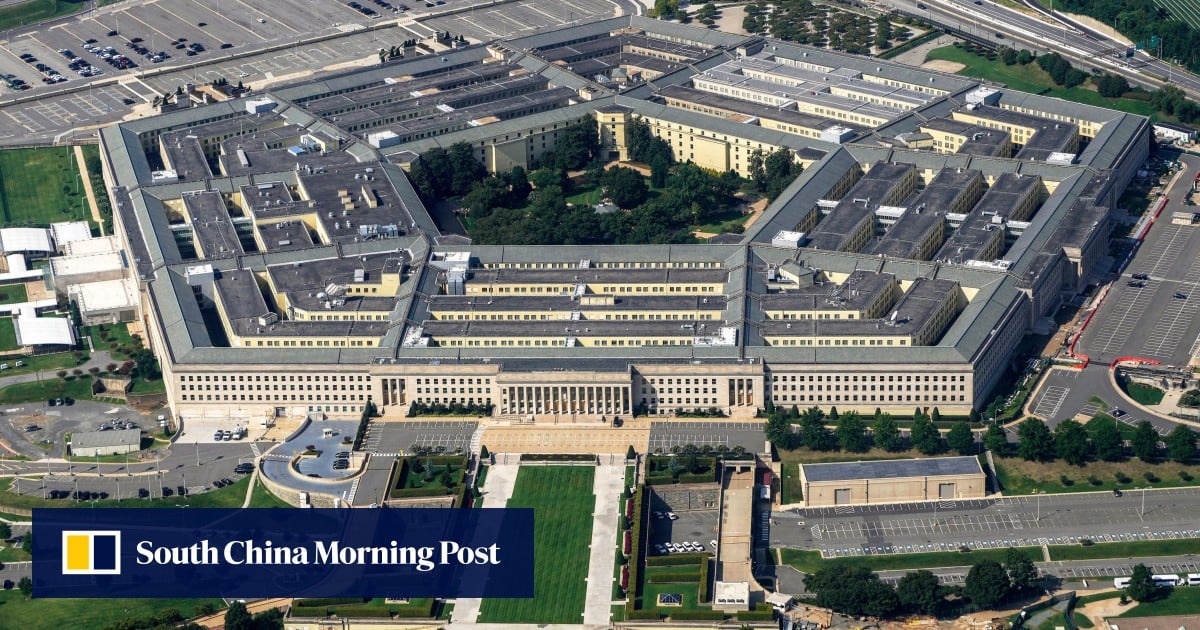
The Pentagon expanded its list of Chinese military companies to 188 entities, including major names in AI, EVs, robotics and biotech. The move pressured Hong Kong-listed shares and revived concern that the designation could lead to tighter US investment restrictions.
The US military put more Chinese tech companies on a bad list, including some that work on AI and robots. It is like putting warning stickers on a group of shops, which can make buyers and investors nervous even before any new rules arrive.
Analysis
What happened
The US Department of Defence is set to publish a Federal Register notice adding a broad new group of Chinese companies to its Section 1260H blacklist, which labels them as “Chinese military companies.” The latest additions include Alibaba Group Holding and Baidu, along with firms in electric vehicles, robotics, biotech and memory chips such as BYD, WuXi AppTec, RoboSense, Unitree Robotics, CXMT and YMTC.
The list has grown to 188 Chinese entities, up from 134 in the previous official revision. The expansion follows earlier additions including Tencent Holdings and CATL. According to the article, legal experts say the designation raises reputational risk and could create a future path toward restrictions on access to US investment.
Market reaction
The announcement hit sentiment in Hong Kong. Shares of the newly designated companies mostly fell on Tuesday, including WuXi AppTec, RoboSense and Alibaba, while Baidu and BYD were slightly higher. The article frames the move as part of the broader US-China tech war, where policy actions can quickly spill into markets.
Why this is significant
For AI and advanced-tech firms, the blacklist is more than a symbolic label. Even without an immediate investment ban, it can complicate partnerships, capital flows and investor confidence. The inclusion of AI, robotics and biotech names shows that the scope of the dispute is no longer limited to classic military suppliers; it now reaches companies tied to next-generation computing and automation.
Key points
- The Pentagon added a broad new group of Chinese companies to its Section 1260H blacklist.
- The list now includes Alibaba, Baidu, BYD, WuXi AppTec, RoboSense, Unitree Robotics, CXMT and YMTC.
- Legal experts say the designation could raise reputational risk and open the door to future US investment curbs.
- Shares of several newly listed companies fell in Hong Kong after the announcement.
- The expansion widens the US-China tech conflict into AI, robotics, biotech and memory chips.
If the designation stays mostly reputational, some companies may continue operating and raising money while weathering the headlines. The article also shows that not every share fell sharply, which suggests markets may distinguish between symbolic pressure and immediate business damage.
The blacklist could become a stepping stone to tighter US investment limits, which would make it harder for affected firms to attract American capital. It may also deepen investor caution toward Chinese AI and tech names more broadly, increasing market volatility and raising the cost of doing business.