Pentagon declassifies new UFO footage filmed by US military
The US Department of War has released new declassified files concerning unidentified anomalous phenomena (UAP), marking the eighth such disclosure under the government's PURSUE program. This ongoing initiative aims to make historical records about unexplained aerial sight…
Intelligence analysis by Gemini 2.5 Flash
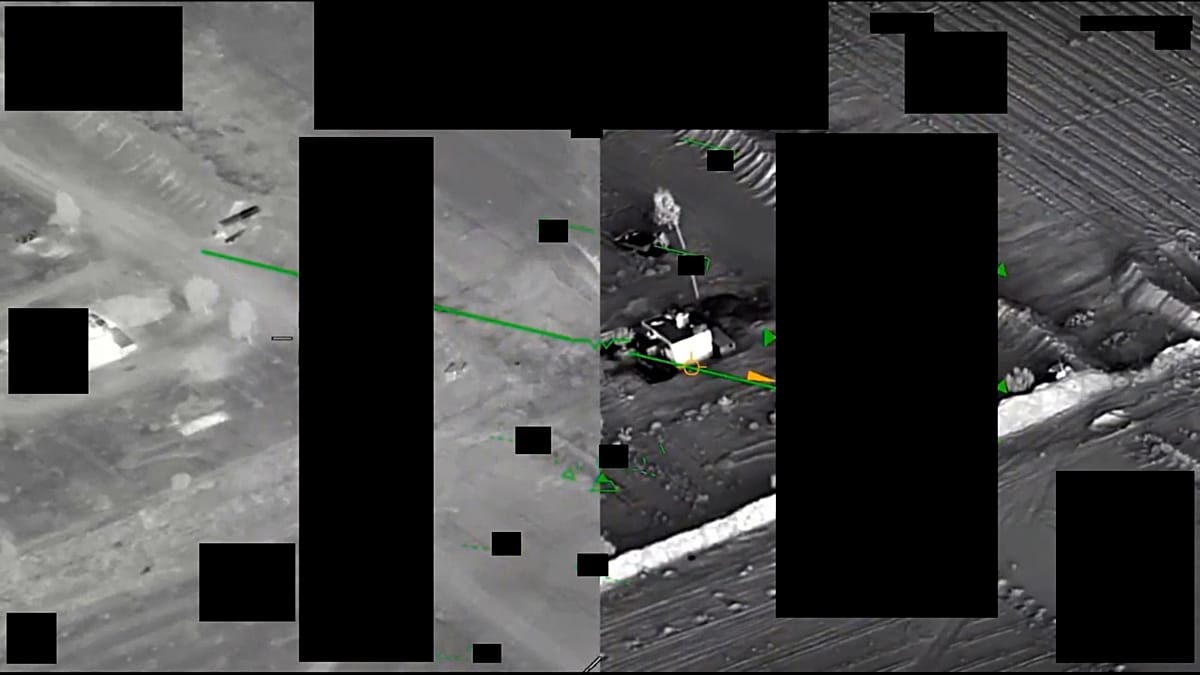
The Pentagon continues its commitment to transparency regarding UAP, with the latest release of declassified footage and documents. This eighth batch of files, made available through the Presidential Unsealing and Reporting System for UAP Encounters (PURSUE), signals a sustained effort to inform the public about previously unexplained aerial observations.
Imagine the grown-ups in charge of the US military used to keep secret videos and papers about strange things flying in the sky that they couldn't explain. Now, they're slowly showing these old secrets to everyone, like opening a big mystery box a little bit at a time. They just showed some new videos, and they promise to show even more later, so we can all try to figure out what these mysterious flying objects really are.
Analysis
The recent declassification of new Unidentified Anomalous Phenomena (UAP) footage by the US Department of War represents a continuation of a significant shift in governmental approach to these enigmatic observations. This eighth release under the Presidential Unsealing and Reporting System for UAP Encounters (PURSUE) underscores a sustained commitment to public disclosure, moving away from decades of secrecy and skepticism. The implications of such transparency extend beyond national borders, fostering a global conversation about unexplained aerial phenomena and the potential for advanced technologies or unknown origins. This ongoing effort by the Pentagon aims to provide a more comprehensive understanding of incidents that have long fueled public curiosity and speculation.
US Department of War
The involvement of the US Department of War, or more accurately the Department of Defense, in systematically declassifying UAP files marks a notable departure from past policies. Historically, information regarding such phenomena was often shrouded in secrecy, leading to public distrust and the proliferation of conspiracy theories. This current initiative reflects a strategic decision to address UAP sightings with greater openness, acknowledging their existence as a matter of national security and scientific interest. The department's role is crucial in managing the flow of sensitive information while balancing national security concerns with the public's right to know.
This shift suggests a recognition that ignoring or dismissing UAP reports is no longer a viable strategy. By making these records publicly available, the Pentagon aims to foster a more informed discussion and potentially encourage scientific analysis of the data. The declassification process itself is complex, involving careful review to ensure that no genuinely sensitive operational details or intelligence methods are compromised. This delicate balance highlights the gravity with which these phenomena are now being treated at the highest levels of government.
Sean Parnell
Pentagon spokesman Sean Parnell's statement regarding the ongoing nature of these releases is particularly significant. His assurance that the department and its partner agencies are "already working on the next release" and that "further files would be published on a rolling basis" signals a long-term commitment rather than a one-off event. This continuous disclosure mechanism is vital for building and maintaining public trust, demonstrating that the government is not merely offering selective glimpses but is engaged in a systematic and sustained effort to reveal historical UAP data.
Parnell's comments suggest that the current transparency initiative is deeply embedded within the department's operational framework. This institutionalization of UAP disclosure indicates a fundamental change in how these phenomena are perceived and managed. It moves the conversation from fringe speculation to a legitimate area of governmental concern and public interest, with a clear pathway for future revelations. The rolling basis of releases also ensures that the public remains engaged and informed over time, preventing a single large dump of information from being quickly forgotten.
PURSUE
The Presidential Unsealing and Reporting System for UAP Encounters (PURSUE) serves as the formal framework for these declassification efforts. The establishment of such a system underscores the seriousness with which the US government is approaching the UAP topic. It provides a structured and official channel for the release of historical records, ensuring consistency and accountability in the disclosure process. This program is designed to systematically review and release documents that were previously classified, offering insights into incidents that have puzzled observers for decades.
PURSUE's existence legitimizes the study of UAP by providing a centralized, government-backed platform for information dissemination. It aims to consolidate disparate reports and investigations, making them accessible to researchers, journalists, and the general public. By formalizing the process, PURSUE helps to demystify UAP, encouraging a more evidence-based approach to understanding these phenomena. The program's continued operation, as evidenced by the eighth release, demonstrates its integral role in the broader strategy of UAP transparency.
Key points
- The US Department of War declassified new UAP footage and files.
- This marks the eighth release under the PURSUE government disclosure program.
- Pentagon spokesman Sean Parnell confirmed more files would be published on a rolling basis.
- The initiative aims to make historical records about unexplained phenomena publicly accessible.
- The program is called the Presidential Unsealing and Reporting System for UAP Encounters (PURSUE).
The continued declassification of UAP files fosters greater transparency and public trust in government institutions, potentially leading to increased scientific interest and resources dedicated to understanding these phenomena. This openness could spark new research and technological advancements, offering novel insights into aerospace and physics.
Despite ongoing releases, the declassified files might offer insufficient definitive answers, leading to continued speculation and frustration among the public and researchers. There's also a risk of misinterpretation or the spread of misinformation if the context provided with the declassified material is not comprehensive enough.