Pentagon says US industry still years from matching Ukraine's wartime output
The Pentagon's drone building program is still in its early stages, with output remaining a fraction of Ukraine's production. The US government has tightened rules requiring drones to be built with American-made parts, making it harder to scale up production.
Intelligence analysis by Llama
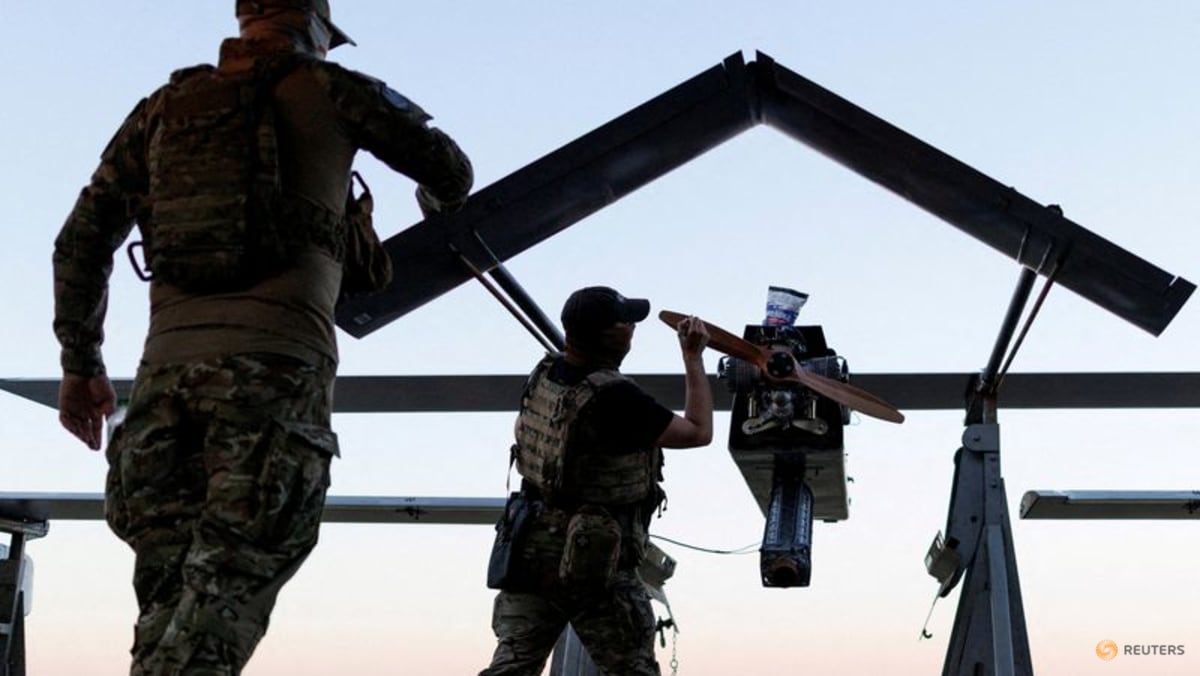
The US drone industry is still years behind Ukraine's wartime output, despite the Pentagon's efforts to build a domestic industry. The US government has introduced new rules requiring drones to be built with American-made parts, which will make it harder to scale up production.
Imagine you're building a big Lego castle, but you need special Lego pieces to make it strong. The US is trying to build a special kind of Lego castle called a drone, but it needs special pieces to make it work. Ukraine is already building a lot of these Lego castles, and the US is trying to catch up. But it's hard to get the special pieces, so the US is making new rules to make sure all the pieces are made in the US.
Analysis
A $60B Vote of Confidence
The Pentagon's drone building program is a significant investment in the US defense industry, with a budget of $1.1 billion. However, despite this investment, the program is still in its early stages, and output remains a fraction of Ukraine's production. Ukraine will produce between six and seven million small first-person-view attack drones this year, or roughly 500,000 a month. By comparison, the Pentagon's program will have ordered just under 200,000 drones cumulatively by February.
Why Cursor?
The new rules requiring drones to be built with American-made parts will make it harder to scale up production. The rules are designed to convert Ukraine's battlefield expertise into American manufacturing capacity rather than reliance on imports. However, this will also make it more difficult for the US to match Ukraine's wartime output. The US government's ultimate goal is to have a wholly domestic small unmanned aircraft system supply chain.
The Road Ahead
The US drone industry is still years behind Ukraine's wartime output, despite the Pentagon's efforts to build a domestic industry. However, the new rules requiring drones to be built with American-made parts will make it harder to scale up production. The US government's goal of having a wholly domestic small unmanned aircraft system supply chain is ambitious, but it will require significant investment and effort to achieve.
Key points
- The US drone industry is still years behind Ukraine's wartime output.
- The Pentagon's drone building program is still in its early stages.
- The US government has tightened rules requiring drones to be built with American-made parts.
- The new rules will make it harder to scale up production.
- The US government's goal of having a wholly domestic small unmanned aircraft system supply chain is ambitious.
The US drone industry is expected to eventually rival Ukraine's drone industry, with the Pentagon's program expected to order over 1 million drones by 2028. The new rules requiring drones to be built with American-made parts will help to convert Ukraine's battlefield expertise into American manufacturing capacity.
The new rules requiring drones to be built with American-made parts may make it harder for the US to scale up production, and the US drone industry may struggle to match Ukraine's wartime output. The US government's goal of having a wholly domestic small unmanned aircraft system supply chain is ambitious, but it will require significant investment and effort to achieve.