People Are Vibe Coding the Ads Out of Their Smart TVs: Here's How
Smart TV owners are using AI agents to remove unwanted ads, tracking software, and sluggish interfaces from their devices, a trend dubbed 'vibe coding'. This movement leverages tools like Claude Code and Android Debug Bridge to customize TV experiences.
Intelligence analysis by Gemini 2.5 Flash
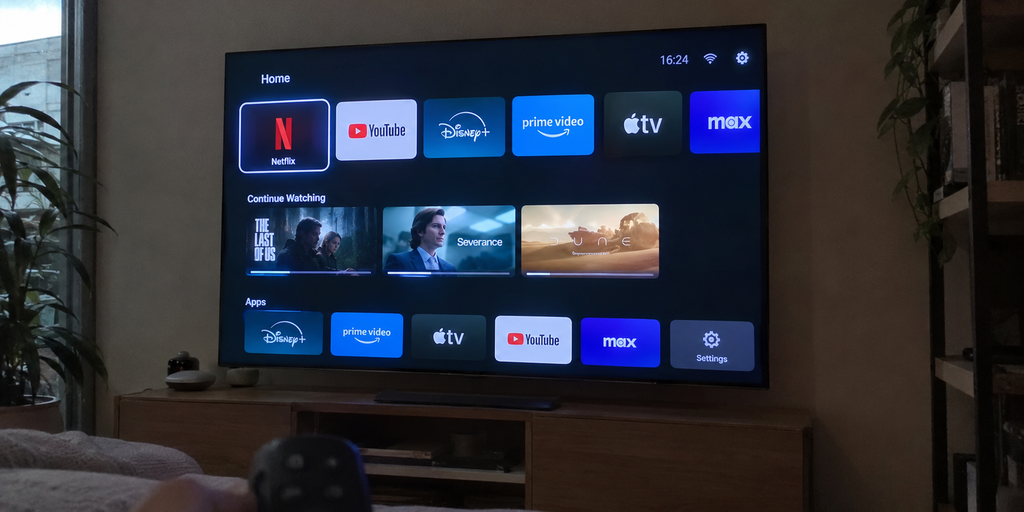
A new trend called 'vibe coding' sees users employing AI agents, specifically Claude Code, to debloat their smart TVs by disabling pre-installed ad and telemetry software. This movement, popularized by developer Gathin T.'s 'cleanyourtv' project, allows users to regain control over their devices and enhance privacy, circumventing manufacturers' revenue models based on ads and viewing …
Imagine your TV is like a toy car that comes with extra buttons that make it show commercials you don't want, even though you bought the car. 'Vibe coding' is like telling a super smart robot helper, in your own words, to find those extra buttons and turn them off, so your toy car only does what you want it to do, like showing your favorite shows, without any annoying ads.
Analysis
The phenomenon of 'vibe coding' smart TVs represents a significant shift in consumer empowerment, driven by accessible AI tools and open-source initiatives. Users are increasingly frustrated with the intrusive advertising and data collection practices embedded in modern smart televisions, which often come pre-loaded with bloatware that degrades performance and privacy. This trend is a direct response to manufacturers' business models, where the initial sale of the TV is often supplemented by ongoing revenue streams from targeted advertising and the sale of viewing data.
Claude Code
At the heart of this movement is the use of AI agents like Claude Code, Anthropic's coding agent, which can interpret natural language commands and execute code. This capability significantly lowers the barrier to entry for technical customization, allowing non-developers to articulate their desired changes in plain English and have the AI translate those intentions into actionable commands. Claude Code's ability to type and run commands on a user's computer, coupled with its capacity to interact with the Android Debug Bridge (ADB) on Android-based TVs, makes it a powerful tool for identifying and disabling unwanted software packages. This democratizes a process that previously required specialized technical knowledge, making advanced customization accessible to a wider audience.
Cleanyourtv
Developer Gathin T. spearheaded the 'cleanyourtv' project, an open-source initiative that packages the AI-driven debloating process into a user-friendly format. This project leverages ADB to switch off unwanted applications rather than permanently deleting them, offering a non-destructive approach with a restore script to undo all changes. The project has rapidly gained traction, listing tested setups for over 100 TV models from dozens of brands and accumulating thousands of stars on GitHub. Its success demonstrates a strong demand for solutions that grant users more control over their devices without requiring risky 'root' access, fostering a community-driven approach to digital autonomy.
Texas Lawsuits
The user backlash against smart TV advertising and data collection is not without precedent, as regulatory bodies have also taken action against manufacturers. For instance, Texas filed lawsuits in December 2025 against major TV brands like Sony, Samsung, LG, Hisense, and TCL, alleging that their TVs can capture screenshots of users' displays multiple times per second. This follows earlier actions, such as Vizio's $2.2 million settlement in 2017 for collecting viewing data without consent. These legal challenges highlight the contentious nature of Automatic Content Recognition (ACR) software and other telemetry tools, which generate significant revenue for manufacturers but raise serious privacy concerns for consumers. The 'vibe coding' trend can be seen as a grassroots counter-movement to these industry practices, empowering individuals to enforce their own privacy preferences.
Key points
- Users are employing AI agents like Claude Code to remove ads and tracking software from smart TVs, a practice called 'vibe coding'.
- The trend gained traction with Gathin T.'s open-source 'cleanyourtv' project, which uses Android Debug Bridge (ADB) to disable unwanted packages.
- Manufacturers like Xiaomi, Sony, Samsung, LG, Hisense, and TCL embed ads and Automatic Content Recognition (ACR) software for revenue.
- Legal challenges, such as Texas's 2025 lawsuits and Vizio's 2017 settlement, highlight privacy concerns related to smart TV data collection.
- The tools allow users to customize their TV's interface and improve performance without needing 'root' access, with options to restore original settings.
This trend could lead to greater consumer awareness and demand for privacy-respecting smart devices, potentially pushing manufacturers to offer ad-free options or more transparent data collection practices. The open-source nature of projects like 'cleanyourtv' fosters a community of users dedicated to digital autonomy, driving innovation in user control and privacy tools.
Manufacturers might implement stricter software locks or anti-tampering measures to prevent 'vibe coding,' potentially escalating a cat-and-mouse game between users and corporations. There's also a risk that disabling certain packages could inadvertently affect TV functionality or void warranties, leaving users without official support.