People in Kent and Sussex asked to use water only for essentials after outages
South East Water asked Kent and Sussex customers to limit use to essentials after outages during record heat pushed demand nearly 100m litres above average.
Intelligence analysis by GPT-5.4 Mini
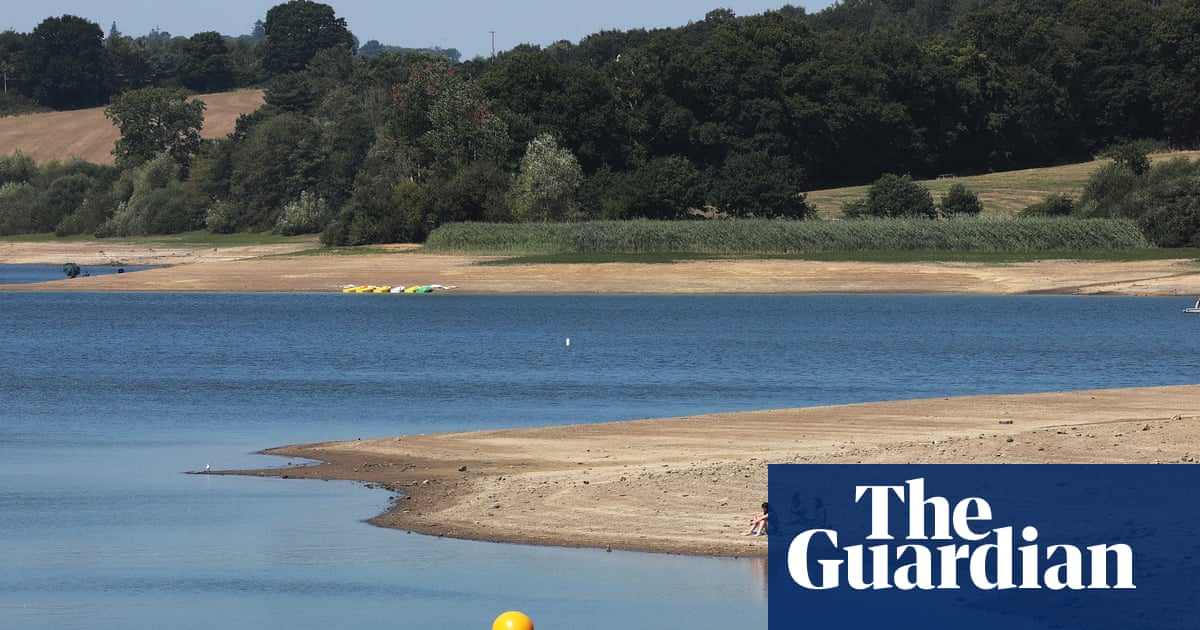
Record heat has strained South East Water's network in Kent and Sussex, causing outages and low pressure for some homes. The company is urging customers to avoid hosepipes, sprinklers, jet washers and car washing while reservoirs run low.
A water company in Kent and Sussex is telling people to use water only for the most important things, like drinking, washing, and cooking. Hot weather made lots of people turn on taps at once, and that put a strain on the system.
Think of it like a neighborhood road that gets jammed when too many cars try to use it at the same time. Water pipes can get crowded too, and some homes may end up with low pressure or no water for a while.
The company is asking people to help by not using hosepipes, sprinklers, or car washers. It is trying to keep water flowing for the basics while the hot weather lasts.
Analysis
What happened
South East Water asked customers in Kent and Sussex to use water only for drinking, washing and cooking after outages affected hundreds of homes over the previous three days during record temperatures. The company said demand surged on Monday to 670 million litres across its supply area, almost 100 million litres above the average for this time of year.
The company stopped short of imposing a temporary use ban, which would have formally prohibited activities such as hosepipe use, garden watering or washing cars. Instead, it urged customers to cut back voluntarily, saying some people on higher ground or at the far end of the network may face low pressure or interruptions when demand peaks.
How the utility is responding
Matthew Dean, South East Water’s head of operations control, said the company had increased output at treatment works and sent tankers to add water to the network in the hardest-hit areas. The company also told customers to avoid jet washers, hosepipes and sprinklers, and suggested swapping paddling pools for water blasters to help children stay cool.
Bigger picture
The article places the episode within a broader national water-supply concern. Last week, government was urged to run a public campaign to reduce water use, and peers warned the country could face daily shortfalls of 5 billion litres by 2055 without urgent action. The government’s target is to reduce average personal consumption to 122 litres a day by 2038, down from a UK average of up to 140 litres a day now.
The story shows how hot weather can quickly turn into a supply problem for households, especially when demand spikes faster than local networks can handle.
Key points
- South East Water asked customers in Kent and Sussex to limit water use to essentials after outages and low pressure.
- Demand reached 670 million litres on Monday, almost 100 million litres above the seasonal average.
- The company said it increased production and used tankers to boost supply in hard-hit areas.
- It did not impose a temporary use ban, but urged people to stop using hosepipes, sprinklers and jet washers.
- The article links the local incident to wider UK concerns about future water shortages and falling consumption targets.