Peru's ex-president leaves jail after 15-year jail term for corruption overturned
Peru's constitutional court has overturned a 15-year jail sentence handed to the country's former president Ollanta Humala after he was found guilty of corruption. Humala was convicted in 2025 of accepting illegal funds from the Venezuelan president and Brazilian construc…
Intelligence analysis by Llama
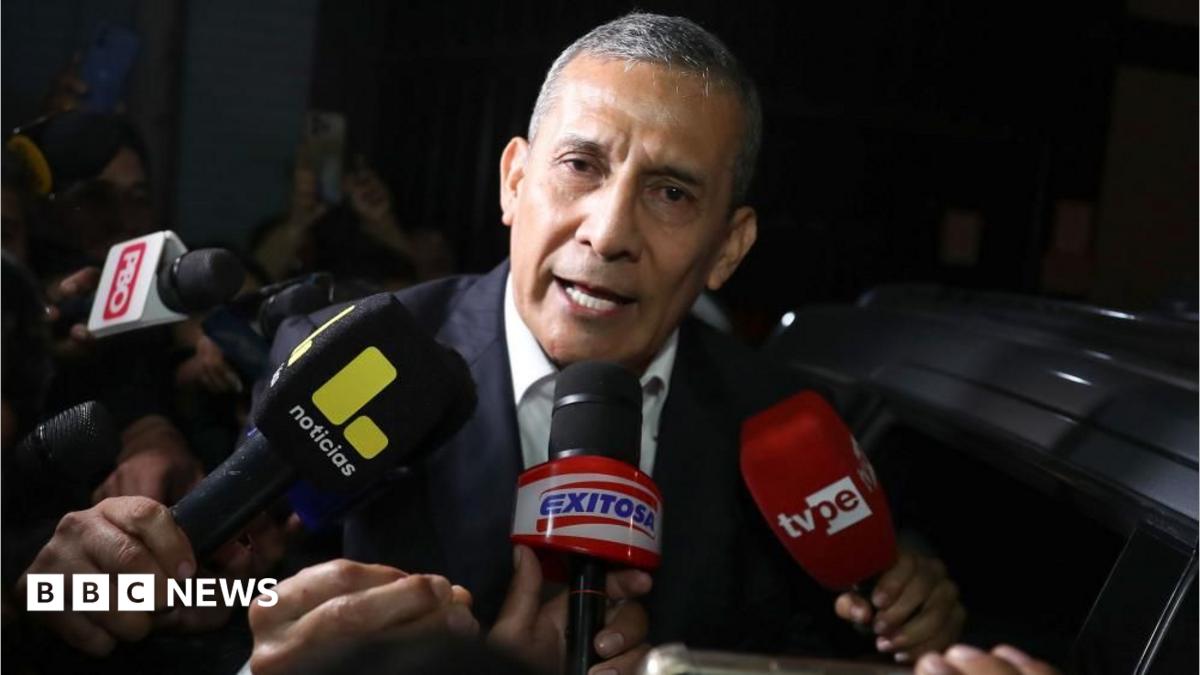
Peru's constitutional court has overturned a 15-year jail sentence handed to the country's former president Ollanta Humala after he was found guilty of corruption. The court declared the entire criminal proceedings against him null and void, and Humala was released from jail on Friday night.
Imagine you're in a big school, and the principal is taking money from a company to give to the teachers. That's kind of what happened in Peru, where the former president, Ollanta Humala, took money from a company called Odebrecht to help him win elections. But now, a court has said that was okay, and he doesn't have to go to jail. This is a big deal because it shows that some people in power might not be following the rules.
Analysis
A $60B Vote of Confidence
Peru's constitutional court has dealt a significant blow to the country's efforts to combat corruption by overturning the 15-year jail sentence of former president Ollanta Humala. The decision has sparked widespread outrage and raised questions about the rule of law in Peru. The court's ruling has also highlighted the ongoing corruption scandal in Peru, which has implicated several high-ranking officials, including four former presidents. The scandal has led to widespread protests and calls for greater accountability from the government.
Why Corruption Persists
The corruption scandal in Peru is a complex issue that involves a web of bribery, money laundering, and other illicit activities. The scandal has implicated several high-ranking officials, including former presidents, and has led to widespread protests and calls for greater accountability from the government. The court's decision to overturn Humala's jail sentence has raised questions about the effectiveness of Peru's anti-corruption efforts and the country's ability to hold its leaders accountable for their actions.
The Road Ahead
The overturning of Humala's jail sentence is a significant setback for Peru's efforts to combat corruption. The decision has sparked widespread outrage and raised questions about the rule of law in Peru. The court's ruling has also highlighted the ongoing corruption scandal in Peru, which has implicated several high-ranking officials, including four former presidents. The scandal has led to widespread protests and calls for greater accountability from the government. In the coming weeks and months, it is likely that the government will face increased pressure to take action against corruption and to hold its leaders accountable for their actions.
Key points
- Peru's constitutional court has overturned a 15-year jail sentence handed to the country's former president Ollanta Humala after he was found guilty of corruption.
- The court declared the entire criminal proceedings against him null and void, and Humala was released from jail on Friday night.
- The decision has sparked widespread outrage and raised questions about the effectiveness of Peru's anti-corruption efforts and the country's ability to hold its leaders accountable for their actions.
- The corruption scandal in Peru has implicated several high-ranking officials, including four former presidents, and has led to widespread protests and calls for greater accountability from the government.
The overturning of Ollanta Humala's jail sentence could lead to increased pressure on the government to take action against corruption and to hold its leaders accountable for their actions. This could lead to greater transparency and accountability in government, and potentially even the prosecution of other high-ranking officials implicated in the corruption scandal.
The decision to overturn Humala's jail sentence could also embolden other corrupt officials, leading to further corruption and undermining the rule of law in Peru. This could have serious consequences for the country's economy and its international reputation.