Petrol price hike on cards as notification awaited
The federal government has decided to increase the prices of petroleum products, with petrol likely to go up by Rs5 per litre and high-speed diesel by Rs30 per litre.
Intelligence analysis by Llama
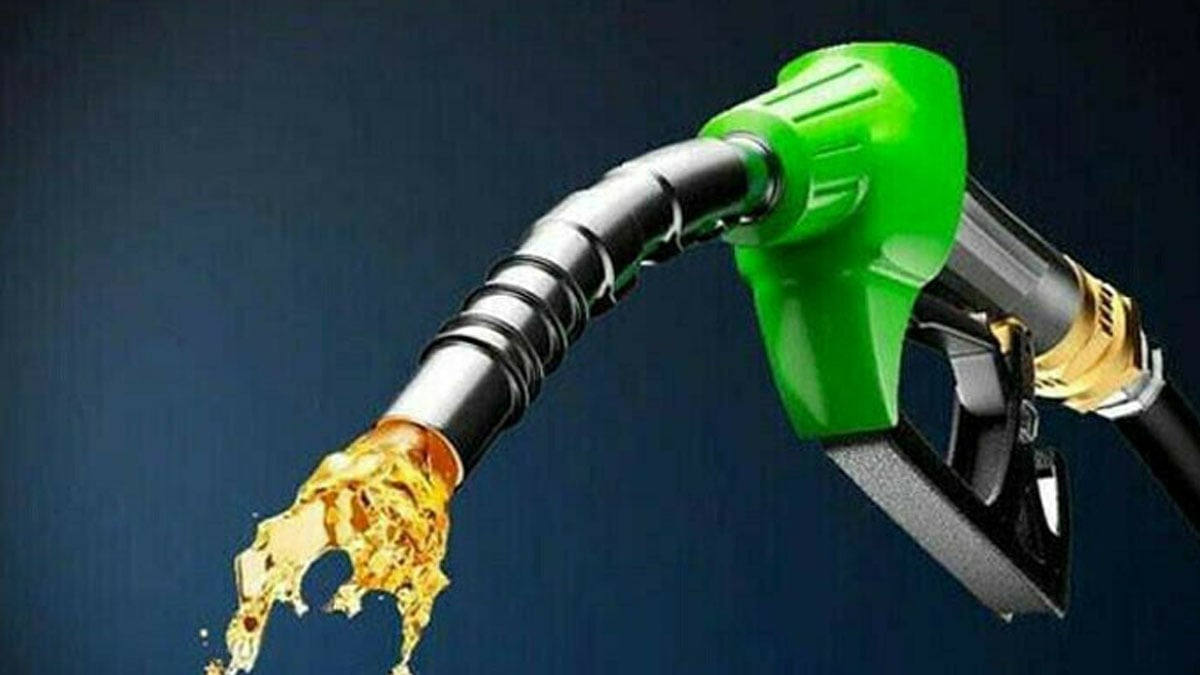
The government has announced a new mechanism for daily pricing of petroleum products through the Oil and Gas Regulatory Authority (OGRA), which has drawn criticism from petrol pump owners and oil marketing companies.
The government in Pakistan is planning to increase the price of petrol and diesel, which could make it more expensive for people to buy fuel for their cars. This decision has been met with criticism from some groups, who are worried about the impact on the economy and consumers.
Analysis
A $60B Vote of Confidence
The federal government's decision to increase the prices of petroleum products is a significant development for the economy of Pakistan. The expected price hike of Rs5 per litre for petrol and Rs30 per litre for high-speed diesel is a clear indication of the government's willingness to take bold steps to address the country's economic challenges. The new mechanism for daily pricing of petroleum products through the Oil and Gas Regulatory Authority (OGRA) is also a significant move, which has drawn criticism from petrol pump owners and oil marketing companies. The All Pakistan Petroleum Dealers Association has rejected the proposed petroleum price deregulation policy, warning that it could disrupt fuel transportation, oil tankers, and the existing pricing system. The association has also asked the government to consult all stakeholders before finalising any new mechanism. The oil marketing companies have expressed concerns over the proposed daily pricing model, calling it a major shift for the fuel retail sector. They have warned that daily price revisions could create problems in stock valuation, inventory management, and cash flow. They have also feared that the new mechanism could affect dealers' margins, create uncertainty in the market, and leave consumers confused.
Why Cursor?
The government's decision to increase the prices of petroleum products is a clear indication of its willingness to take bold steps to address the country's economic challenges. The new mechanism for daily pricing of petroleum products through the OGRA is also a significant move, which has drawn criticism from petrol pump owners and oil marketing companies. The All Pakistan Petroleum Dealers Association has rejected the proposed petroleum price deregulation policy, warning that it could disrupt fuel transportation, oil tankers, and the existing pricing system. The association has also asked the government to consult all stakeholders before finalising any new mechanism.
The Road Ahead
The government's decision to increase the prices of petroleum products is a significant development for the economy of Pakistan. The expected price hike of Rs5 per litre for petrol and Rs30 per litre for high-speed diesel is a clear indication of the government's willingness to take bold steps to address the country's economic challenges. The new mechanism for daily pricing of petroleum products through the OGRA is also a significant move, which has drawn criticism from petrol pump owners and oil marketing companies. The All Pakistan Petroleum Dealers Association has rejected the proposed petroleum price deregulation policy, warning that it could disrupt fuel transportation, oil tankers, and the existing pricing system.
Key points
- The federal government has decided to increase the prices of petroleum products.
- Petrol is likely to go up by Rs5 per litre and high-speed diesel by Rs30 per litre.
- The new mechanism for daily pricing of petroleum products through the OGRA has drawn criticism from petrol pump owners and oil marketing companies.
- The All Pakistan Petroleum Dealers Association has rejected the proposed petroleum price deregulation policy.
- The oil marketing companies have expressed concerns over the proposed daily pricing model.
If the new pricing mechanism is implemented smoothly, it could lead to increased transparency and efficiency in the fuel retail sector, benefiting both consumers and businesses.
The price hike and the new pricing mechanism could lead to increased costs for consumers, affecting their purchasing power and potentially disrupting the economy.