Petrol to Get More Expensive? Govt Plans Nearly 2x Increase in Carbon Levy in New Budget
Pakistan may nearly double the carbon levy on petroleum products, which could push up fuel prices and add to inflation.
Intelligence analysis by GPT-5.4 Mini
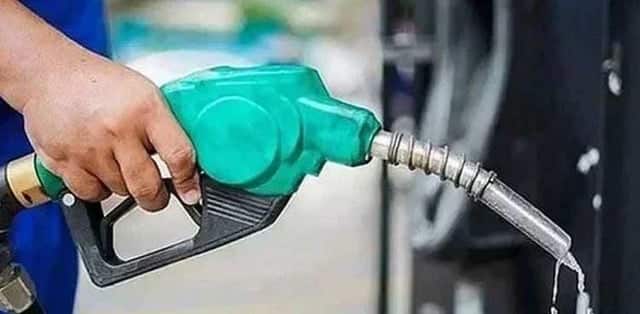
The federal government is reportedly weighing a sharp increase in the carbon levy on petrol and diesel in the upcoming budget. The move is framed as a revenue measure and an environmental step, but it would likely raise transport costs and pressure household budgets.
The government may put a bigger fee on petrol and diesel. That could make car and truck fuel cost more, like adding a heavier toll on a busy road, and then many other things may become more expensive too.
Analysis
What is being proposed
The article says the federal government is considering a major increase in the carbon levy on petroleum products in the upcoming budget. According to the report, the levy may be nearly doubled.
Why the government might do it
The piece says the proposal is aimed at generating extra revenue, promoting energy efficiency, and supporting environmental commitments tied to cutting carbon emissions. In other words, the government appears to be trying to serve fiscal goals and climate goals at the same time.
What it could mean for consumers
If approved, the higher levy would likely make petrol and diesel more expensive. That matters because fuel costs are a core input for transport and many other parts of the economy. The article notes that this could increase transportation costs, add to inflation, and push up the prices of everyday goods.
Broader economic effect
The report also says analysts see the move as part of the government's effort to balance financial pressures while nudging the country toward cleaner energy practices. But the immediate burden would likely fall on consumers and businesses that already face high operating costs. Because fuel is central to economic activity, even a tax-linked price increase can spread quickly through the wider economy.
Key points
- The government is reportedly considering a near doubling of the carbon levy on petroleum products.
- The proposal is described as a way to raise revenue and support environmental goals.
- Higher petrol and diesel prices could lift transport costs across the economy.
- The article warns that inflation and everyday goods could become more expensive if the measure is approved.
If the proposal is used carefully, it could bring in extra government revenue while also encouraging lower fuel use and better energy efficiency. The article also says it could support Pakistan's environmental commitments by helping reduce carbon emissions.
If the levy is raised and fuel prices rise, transport costs could go up quickly. That could feed inflation and increase pressure on households and businesses that depend on diesel and petrol every day.