Pezeshkian calls US infrastructure attacks 'war crimes,' demands intl legal action
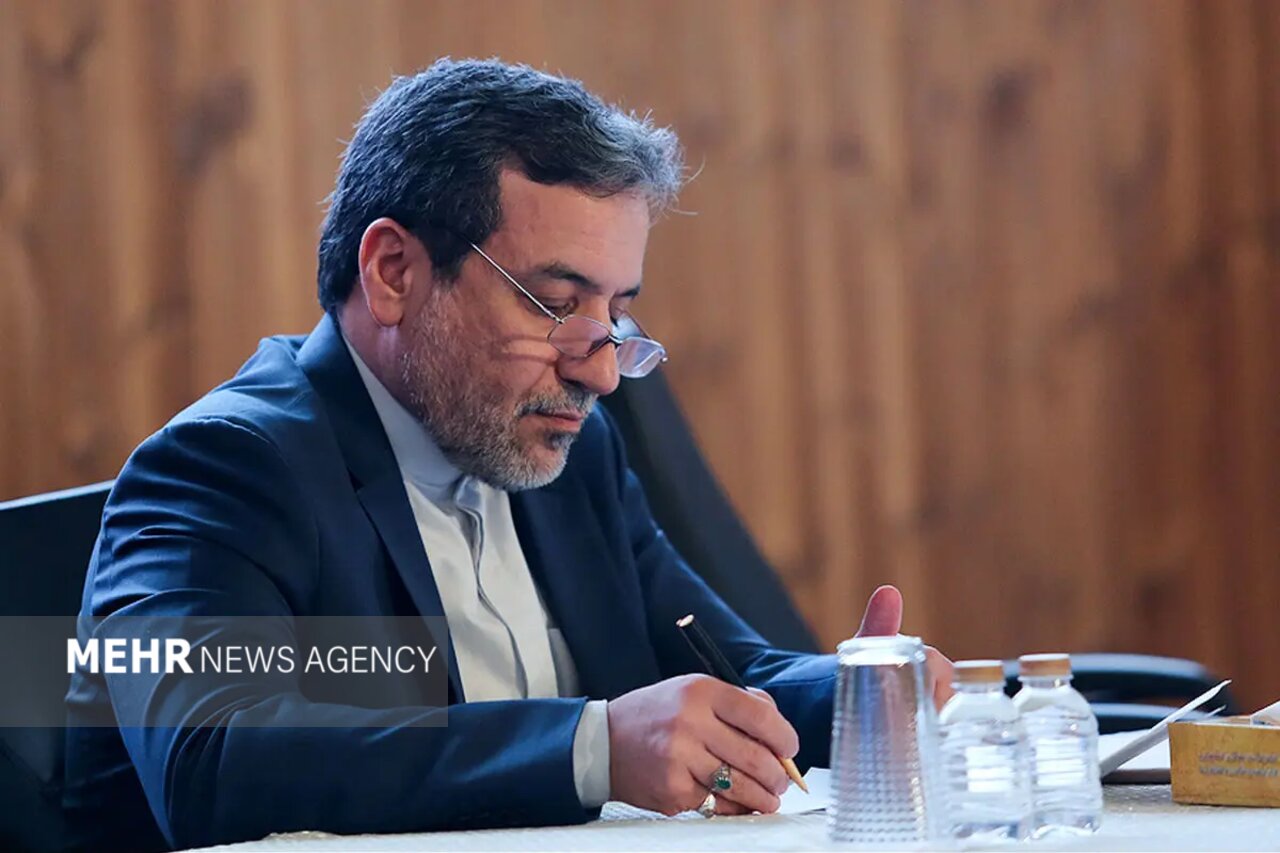
Iranian President Masoud Pezeshkian has called recent US airstrikes targeting the country's civilian infrastructure 'war crimes' and demanded international legal action. The attacks have caused significant damage to transport and logistics networks, leading to the deaths …
Intelligence analysis by Llama
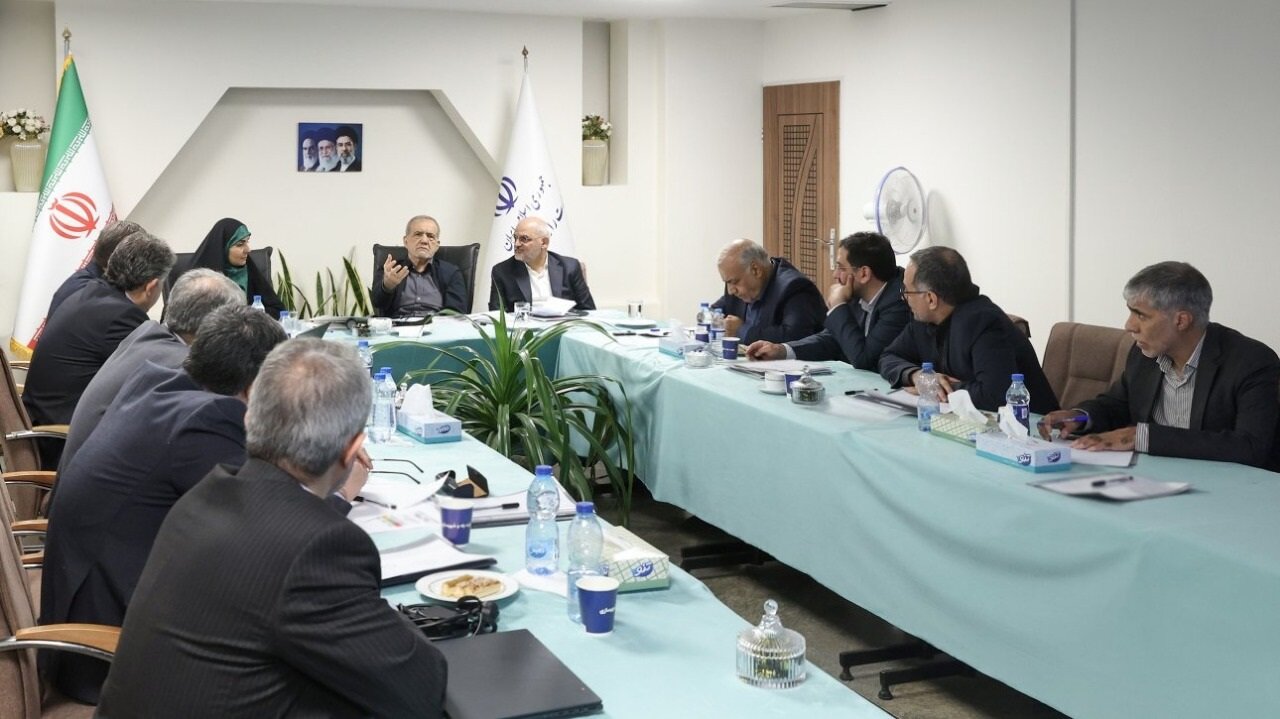
Iranian President Masoud Pezeshkian has condemned recent US airstrikes on the country's civilian infrastructure as 'war crimes' and called for international legal action. The attacks have resulted in significant damage to transport and logistics networks, causing the deaths of over 50 civilians.
Imagine you're playing a game where you have to protect your friends and family. The US is like a player who is attacking the other team's homes and schools, which is not allowed in the game. Iran's president is saying that this is not fair and that the US should be punished for breaking the rules.
Analysis
A Clear Violation of International Law
The recent US airstrikes on Iran's civilian infrastructure are a clear violation of international law. The principle of distinction, enshrined in the 1949 Geneva Conventions and Additional Protocol I, prohibits direct attacks against civilian objects and non-combatants unless they are actively being used for military purposes. The US attacks on Iran's transport and logistics networks, including highway networks, border customs posts, power facilities, and water networks, are a clear breach of this principle.
The Legal Definition of a War Crime
Intentionally targeting public infrastructure essential for civilian survival, without direct military necessity, constitutes a clear violation of international law and falls squarely under the legal definition of a war crime. The US attacks on Iran's civilian infrastructure are a stark example of this, and it is imperative that the international community takes action to hold the US accountable for these actions.
The Road Ahead
The situation in the region is volatile, and the US airstrikes on Iran's civilian infrastructure have only added to the tension. The international community must come together to condemn these actions and demand that the US respect international law. The future of regional stability and the rule of law hangs in the balance, and it is imperative that we take action to prevent further escalation.
Key points
- Iranian President Masoud Pezeshkian has called recent US airstrikes on the country's civilian infrastructure 'war crimes'.
- The attacks have caused significant damage to transport and logistics networks, leading to the deaths of over 50 civilians.
- Iran is demanding international legal action against the US for its actions.
- The US airstrikes are a clear violation of international law and the principle of distinction.
- The international community must come together to condemn the US actions and demand that it respect international law.
If the international community comes together to condemn the US airstrikes on Iran's civilian infrastructure, it may lead to a decrease in tensions in the region and a greater respect for international law. This could also lead to increased cooperation between Iran and its neighbors, which could have positive economic and social implications.
If the US continues to disregard international law and target Iran's civilian infrastructure, it could lead to further escalation and increased violence in the region. This could also lead to a breakdown in regional stability and a greater risk of conflict.