Pezeshkian: Iran's Oil Revenues Have Been Cut Off
Iranian President Masoud Pezeshkian announced that the country's oil revenues have been cut off and overall government income has decreased, attributing this to a US naval blockade and ongoing conflict. He warned of internal collapse and called for unity to address econom…
Intelligence analysis by Gemini 2.5 Flash
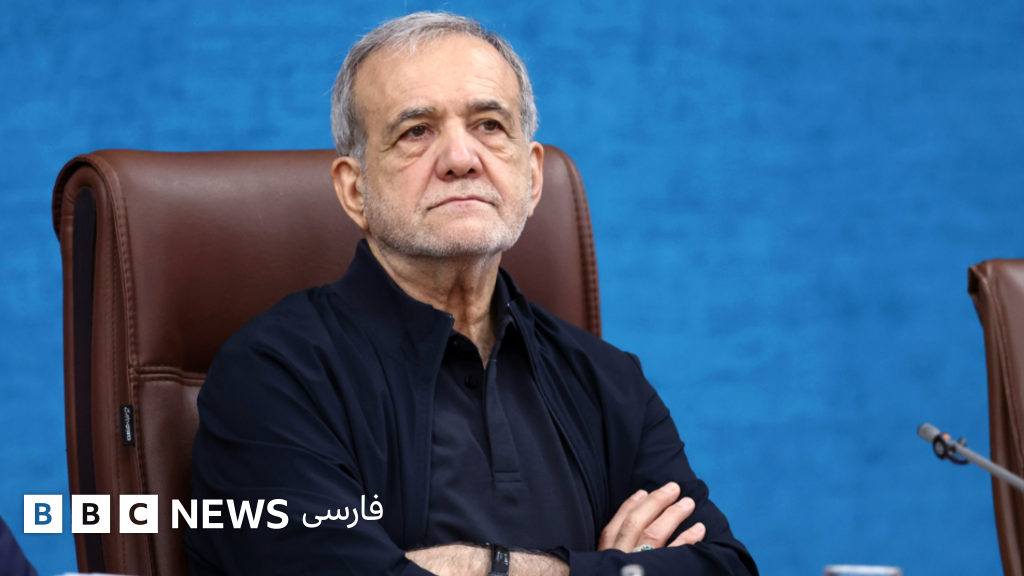
Amidst US threats of severe economic blows, Iranian President Pezeshkian revealed that Iran's oil revenues are halted and tax incomes are declining due to a naval blockade and the costs of a year-long war, urging national cohesion to prevent internal collapse.
Imagine Iran is like a family whose main way of earning money, selling oil, has been stopped by a big neighbor. Now they have less money for everything, and even their small businesses are struggling. The family leader says they need to work together to fix things before their house falls apart.
Analysis
Masoud Pezeshkian
Iranian President Masoud Pezeshkian has delivered a stark assessment of the nation's economic health, revealing that oil revenues, a cornerstone of the country's finances, have been completely halted. This announcement comes amidst a period of intense pressure, including a year-long conflict and a tightening naval blockade. Pezeshkian's remarks underscore the severe challenges facing his administration as it grapples with diminished income streams.
Beyond oil, the President also highlighted a significant decline in tax revenues, attributing this to difficulties faced by domestic factories. He noted that the government is not only unable to collect taxes from these struggling enterprises but is also compelled to provide them with support. This dual blow to both primary and secondary revenue sources paints a grim picture of Iran's fiscal situation.
United States
The economic woes articulated by Pezeshkian are directly linked to aggressive measures by the United States, which has imposed a naval blockade on Iran. This blockade effectively prevents ships from accessing Iranian ports and blocks oil tankers from exporting crude to international markets. The US strategy aims to exert maximum economic pressure, with officials like Donald Trump and and Scott Bessent threatening "severe" and "unprecedented" economic blows.
These threats are part of a broader US effort to compel Iran into an agreement to end the ongoing conflict. The article details how the US has intensified its economic campaign, signaling further actions that could deepen Iran's financial isolation. The impact of these sanctions is evident in the increased costs and longer routes for importing goods, as sea transport is largely inaccessible.
Abbas Araghchi
Amidst the escalating economic tensions and threats, Iran's Foreign Minister, Abbas Araghchi, provided an update on diplomatic efforts. He confirmed that Qatar and Pakistan are acting as mediators, facilitating the exchange of messages between Iran and the United States. However, Araghchi firmly stated that these contacts do not constitute active negotiations, indicating a continued stalemate in direct talks.
Araghchi also clarified Iran's stance on previous agreements, asserting that an "Islamabad memorandum of understanding" aimed for an "end of the war," not merely a ceasefire. He accused the United States of violating this understanding, leading to the resumption of conflicts. This perspective suggests a deep mistrust and a complex diplomatic landscape, where even the terms of de-escalation are contentious.
Key points
- Iranian President Pezeshkian stated that Iran's oil revenues are cut off and government income has decreased.
- He attributed economic difficulties to a US naval blockade preventing oil exports and ship access to Iranian ports.
- Pezeshkian warned that "the enemy's main plan is to collapse Iran from within" due to internal disagreements.
- The US has threatened "severe economic blows" to Iran, with President Trump vowing to "severely hit" Iran economically.
- Iran's Foreign Minister Araghchi confirmed mediation efforts by Qatar and Pakistan but denied active negotiations with the US.
The article mentions ongoing efforts to reach an agreement to end the war, with Qatar and Pakistan mediating. If these diplomatic channels lead to a resolution, it could alleviate the naval blockade and economic pressures, potentially restoring oil revenues and stabilizing Iran's economy.
The US has threatened unprecedented economic blows, and Iran's President warns of internal collapse due to economic hardship and internal disagreements. Continued conflict and sanctions could further cripple Iran's economy, leading to widespread social unrest and political instability.
Market signals
- OIL Naval blockade and cut-off of Iranian oil revenues imply reduced supply, potentially driving up global oil prices.
AI-generated analysis of potential market relevance. Not financial advice.