Philippines Eyes Payment Operator Freeze, Tighter VASP Checks
The Philippines' central bank is proposing a 12-month freeze on new payment operator registrations and stricter controls for virtual asset service providers.
Intelligence analysis by Gemini 2.5 Flash Lite
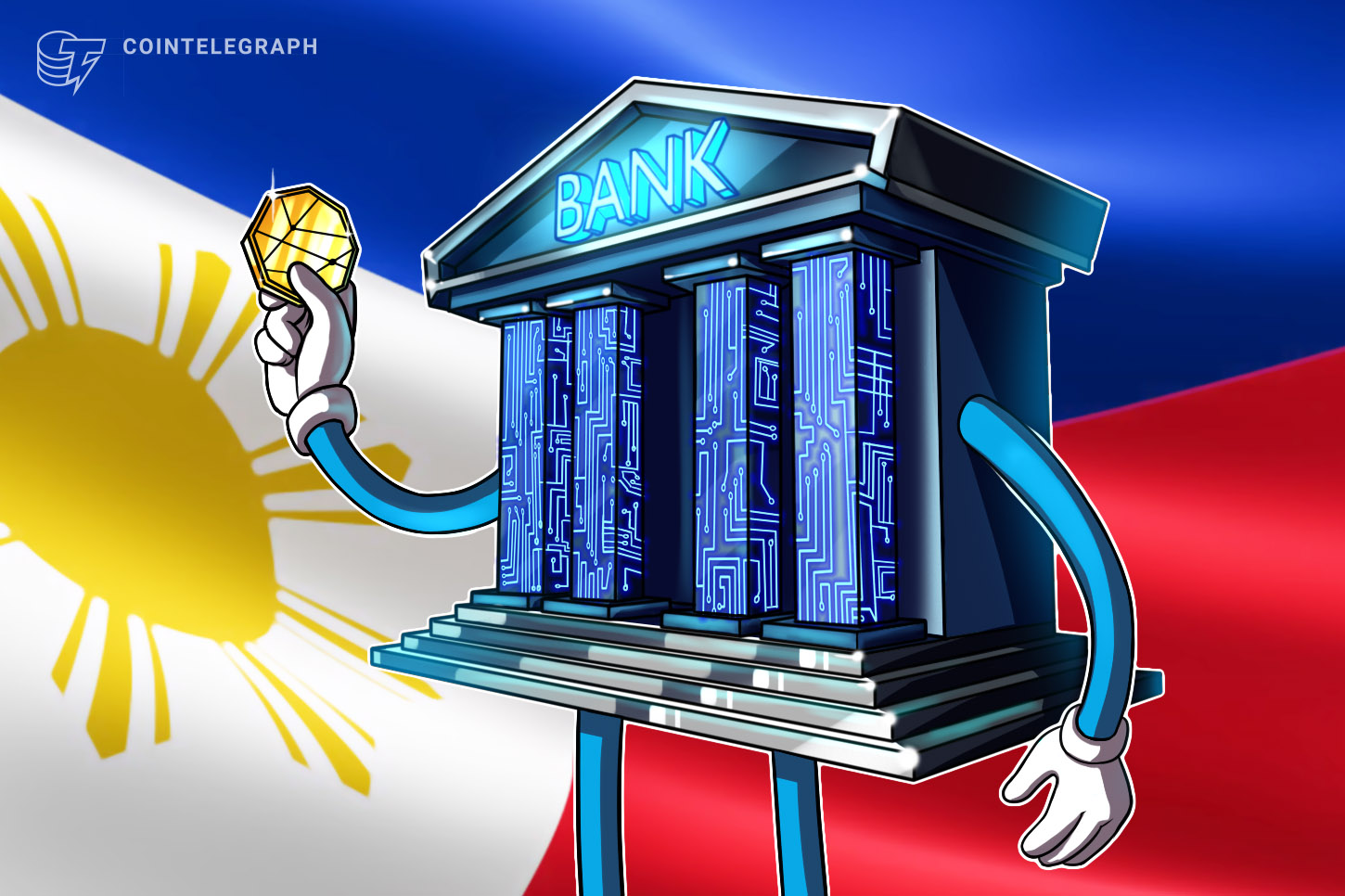
The Bangko Sentral ng Pilipinas (BSP) is considering a temporary halt on new payment system operator registrations to review its framework. This move also includes enhanced due diligence, monitoring, and transaction limits for payment arrangements involving virtual asset service providers (VASPs).
Imagine the country's money helpers are taking a break from letting new companies handle payments. They want to check if the rules are good enough, especially for companies dealing with digital money like Bitcoin. They'll watch these companies more closely and set limits on how much money can move to keep everyone safe.
Analysis
Bangko Sentral ng Pilipinas (BSP)
The Bangko Sentral ng Pilipinas (BSP) is taking a proactive stance in regulating the burgeoning digital asset space within the Philippines. The proposed freeze on new payment system operator registrations, slated for a 12-month period, is a significant move aimed at allowing the central bank to conduct a comprehensive review of its existing taxonomy and licensing framework. This pause is not intended to halt all operations but rather to provide a necessary window for introspection and potential reform. During this period, the BSP will not be accepting or processing new applications for entities seeking to become operators of payment systems (OPS). While applications submitted prior to the proposed suspension might still undergo evaluation, their approval or denial will be deferred until the moratorium concludes. This suggests a deliberate effort to ensure that any new entrants or existing players operate within a robust and updated regulatory environment that can adequately address the evolving risks associated with digital finance.
Virtual Asset Service Providers (VASPs)
A key focus of the BSP's proposed measures is the enhanced oversight of virtual asset service providers (VASPs). The draft circular mandates that BSP-supervised institutions offering merchant acquisition services must engage with regulated VASPs through direct merchant arrangements. This implies a move away from indirect or less transparent relationships, pushing for clearer lines of responsibility. Furthermore, these arrangements will be subject to stringent requirements, including enhanced due diligence and monitoring processes, the imposition of transaction and settlement limits, and other risk-based controls. The scope of these requirements extends to VASPs that are licensed, registered, or authorized not only by the BSP but also by the Philippine Securities and Exchange Commission or other relevant authorities. This broadens the net of regulatory scrutiny, ensuring that entities dealing with virtual assets are held to a high standard of compliance and risk management, akin to those applied to gambling businesses, gaming providers, and money service businesses.
Enhanced Monitoring and Controls
The proposed regulations underscore a commitment to strengthening the integrity and security of the Philippine financial system, particularly in light of the increasing adoption of virtual assets. By requiring enhanced due diligence and monitoring, the BSP aims to mitigate risks such as money laundering, terrorist financing, and consumer fraud. The imposition of transaction and settlement limits is a direct measure to control the volume and velocity of funds moving through these channels, thereby reducing potential systemic risks. The BSP's approach appears to be a balanced one, acknowledging the potential benefits of virtual assets while prioritizing stability and security. The call for feedback on the draft circular indicates a willingness to engage with stakeholders and refine the proposed rules before they are finalized and implemented, which would take effect 15 days after publication. This consultative process is crucial for ensuring that the regulations are practical, effective, and do not unduly stifle innovation within the regulated financial sector.
Key points
- The Philippines' central bank is proposing a 12-month freeze on new payment operator registrations.
- Stricter controls, including enhanced monitoring and transaction limits, are proposed for payment arrangements involving virtual asset service providers (VASPs).
- The BSP aims to conduct a holistic review of its taxonomy and licensing framework for payment systems.
- The proposed rules would require direct merchant arrangements and enhanced due diligence for VASPs.
- The draft circular is open for public feedback before potential finalization and implementation.
The proposed measures could lead to a more secure and stable financial ecosystem in the Philippines, fostering greater trust in digital payment systems and virtual asset services. This enhanced regulatory clarity might attract more legitimate businesses and investors, ultimately benefiting consumers and the broader economy.
The temporary freeze on new registrations and stricter controls could stifle innovation and deter legitimate virtual asset service providers from operating in the Philippines, potentially pushing activity underground or to less regulated jurisdictions. This could also lead to increased compliance costs for existing businesses.