Philippines’ Pax Silica AI hub plan slammed for mineral ‘plunder’
The Philippines' proposed US-backed Pax Silica AI hub in New Clark City is drawing heavy criticism for allegedly threatening local communities and the environment, despite official promises of economic growth and job creation.
Intelligence analysis by Gemini 2.5 Flash
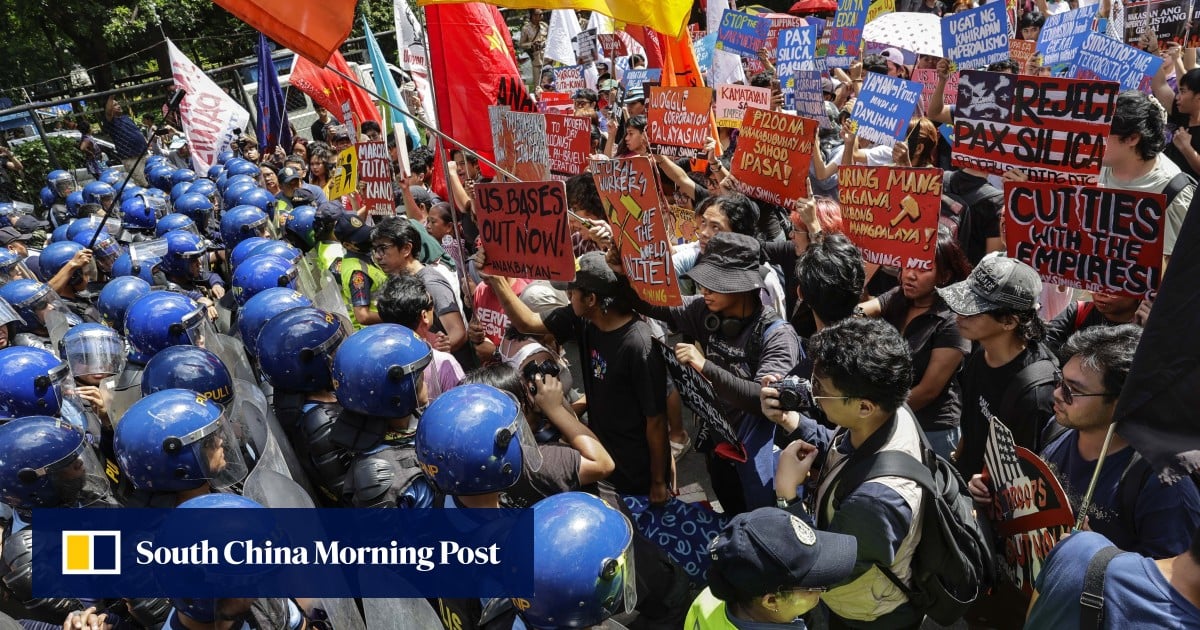
Philippine and US officials are pushing a large-scale AI, semiconductor, and critical minerals hub, but critics argue it prioritizes investment over environmental safeguards and community well-being, raising concerns about land and water resources and calling it 'mineral plunder'.
Imagine a big new factory town being built to make super smart computer brains and tiny computer parts. The government says it will bring lots of jobs and money. But some people who live nearby are worried it will take their land, use up all their water, and ruin their homes, like someone taking their toys without asking.
Analysis
The Ambition of Pax Silica
The Philippines, with significant US backing, is planning a massive 1,620-hectare (4,000 acres) AI, semiconductor, and critical minerals hub in New Clark City, located north of Manila. This ambitious project, part of the broader US-backed global Pax Silica initiative, aims to secure vital supply chains for strategic technologies, positioning the Philippines as a global gateway for artificial intelligence and advanced manufacturing. Officials, including Joshua Bingcang, president and CEO of the state-run Bases Conversion and Development Authority (BCDA), project an initial investment of US$10 billion and the creation of "hundreds of thousands of jobs," with operations potentially commencing within two years.
The Philippines and Singapore are the only Southeast Asian countries included in the 13-member Pax Silica coalition, underscoring the region's growing strategic importance in global technology infrastructure and supply chain resilience. The BCDA, tasked with transforming former US military bases into economic growth centers, sees this hub as a cornerstone of the nation's economic future, leveraging its strategic location and potential for high-tech development.
Community Concerns and Environmental Backlash
Despite the grand economic promises and technological aspirations, the proposed Pax Silica hub faces significant opposition from local communities and environmental advocates. Critics argue that the development is another instance of large-scale infrastructure projects being pushed forward without adequate consideration for environmental safeguards or proper cost-benefit analysis. They contend that the plan demonstrates the authorities' "insincerity" in addressing the concerns of affected populations.
Local communities express profound fears of displacement, loss of traditional livelihoods, and the depletion of scarce water resources, viewing the project as a form of "mineral plunder." This strong opposition highlights a recurring tension in the Philippines between national development goals, often driven by foreign investment, and the rights and well-being of indigenous groups and local residents. The controversy underscores the need for more inclusive planning and robust environmental impact assessments to prevent adverse social and ecological consequences.
Geopolitical Stakes in Southeast Asia
The US-backed Pax Silica project is not merely an economic venture but also carries substantial geopolitical weight, particularly in the context of intensifying competition for technological dominance. It represents a concerted effort by the United States to diversify and secure critical technology supply chains, especially in semiconductors and AI, thereby reducing reliance on potentially volatile regions or single-source suppliers. For the Philippines, participation in such an initiative strengthens its strategic alliance with the US and positions it as a key player in the global tech landscape, potentially attracting further foreign direct investment.
However, the controversy surrounding the project also highlights the complex challenges of balancing national development goals with local environmental and social responsibilities. The project's success or failure, both economically and socially, will be closely watched by regional powers, including China, which has its own strategic interests and investments in Southeast Asia. The outcome could influence future regional development models and the dynamics of international cooperation in critical technology sectors.
Key points
- The Philippines plans a 1,620-hectare AI, semiconductor, and critical minerals hub in New Clark City, backed by the US as part of the global Pax Silica project.
- Officials project an initial US$10 billion investment and 'hundreds of thousands of jobs,' with operations starting in two years.
- Critics, including local communities, slam the plan as 'mineral plunder,' fearing loss of livelihood, land, and scarce water resources.
- The project is seen as another example of infrastructure development prioritizing investment over environmental safeguards and community concerns.
- The Philippines and Singapore are the only Southeast Asian members of the 13-member Pax Silica coalition, aiming to secure critical supply chains.
If successful, the Pax Silica hub could attract significant foreign investment, create hundreds of thousands of jobs, and position the Philippines as a crucial player in global AI and semiconductor supply chains. This could lead to substantial economic growth and technological advancement for the nation.
Critics warn that the project risks mineral 'plunder,' threatening the livelihoods of local communities and depleting scarce water resources. Without proper safeguards, it could lead to environmental degradation and social displacement, undermining long-term sustainability.
