Planemakers and repair shops take steps to conserve aircraft windows in tight market
GKN Aerospace, a key California factory, halted production in late May after an overheating tank raised fears of an explosion. This has worsened shortages of a part needed for both new aircraft and routine maintenance, companies and industry sources said.
Intelligence analysis by Llama
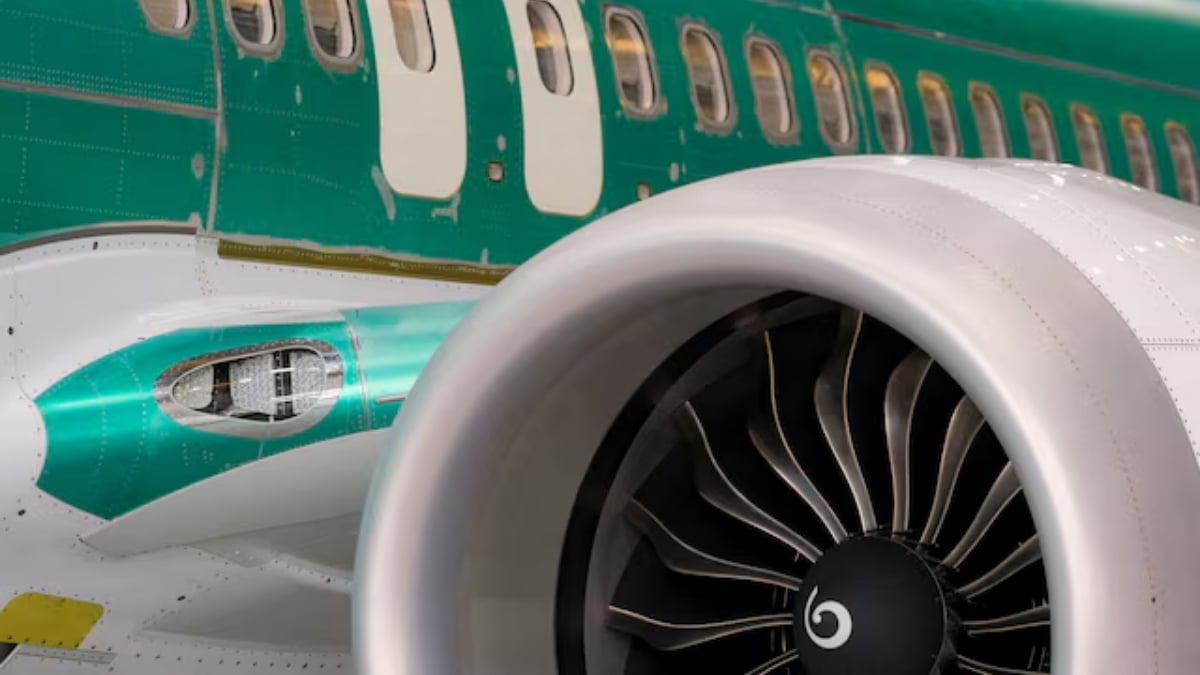
GKN Aerospace's production halt has led to parts delays and industry concerns over the supply of cockpit and passenger windows. Planemakers and repair shops are conserving aircraft windows to manage the shortage.
Imagine you have a big box of Legos, and you need a specific Lego piece to build a new Lego plane. But the factory that makes that Lego piece has stopped producing it, so you can't get the piece you need. That's kind of like what's happening with aircraft windows. The factory that makes them has stopped producing them, so now there's a shortage of windows for new planes and for planes that need repairs. It's a big problem for the people who make and fix planes.
Analysis
A $60B Vote of Confidence
GKN Aerospace's production halt has sent shockwaves through the aerospace industry, exacerbating existing shortages of cockpit and passenger windows. The incident has led to parts delays and industry concerns over the supply of these critical components. Planemakers and repair shops are taking steps to conserve aircraft windows, advising airlines to replace windows only when necessary rather than for aesthetic reasons. This move is a vote of confidence in the industry's ability to adapt to supply chain disruptions. However, the shortage highlights some lingering post-pandemic weaknesses in the aerospace supply chain, despite noticeable improvements in parts availability this year.
Why Cursor?
The shortage of aircraft windows is not just a production issue but also a maintenance problem. Companies and analysts say demand from planemakers increasing aircraft production is colliding with demand from maintenance shops needing replacement windows to keep aircraft flying. This echoes engine shortages, which have been a major concern for the industry in recent years. The aftermarket demand for windows is significant, and the shortage is compounded by the need for replacement windows in routine maintenance.
The Road Ahead
The industry is working to mitigate the impact of the shortage, with GKN Aerospace working to restore production to full capacity by the end of 2026. However, the shortage highlights the need for the industry to improve its supply chain resilience. Companies and analysts say that the industry needs to invest in new technologies and processes to improve supply chain efficiency and reduce the risk of shortages. The shortage of aircraft windows is a wake-up call for the industry to take a closer look at its supply chain and make necessary improvements.
Key points
- GKN Aerospace's production halt has worsened shortages of a part needed for both new aircraft and routine maintenance.
- Planemakers and repair shops are conserving aircraft windows to manage the shortage.
- The shortage highlights post-pandemic weaknesses in the aerospace supply chain.
- The industry is working to mitigate the impact of the shortage, with GKN Aerospace working to restore production to full capacity by the end of 2026.
If GKN Aerospace can restore production to full capacity by the end of 2026, the industry may be able to mitigate the impact of the shortage. Companies and analysts say that the industry needs to invest in new technologies and processes to improve supply chain efficiency and reduce the risk of shortages.
The shortage of aircraft windows could lead to delays in new plane production and routine maintenance. If the industry is unable to improve its supply chain resilience, the shortage could have a lasting impact on the industry.