PM calls for safe, resilient food system
PM Shehbaz Sharif urged governments, farmers and institutions to help build a safe, resilient and nutritious food system in Pakistan.
Intelligence analysis by GPT-5.4 Mini
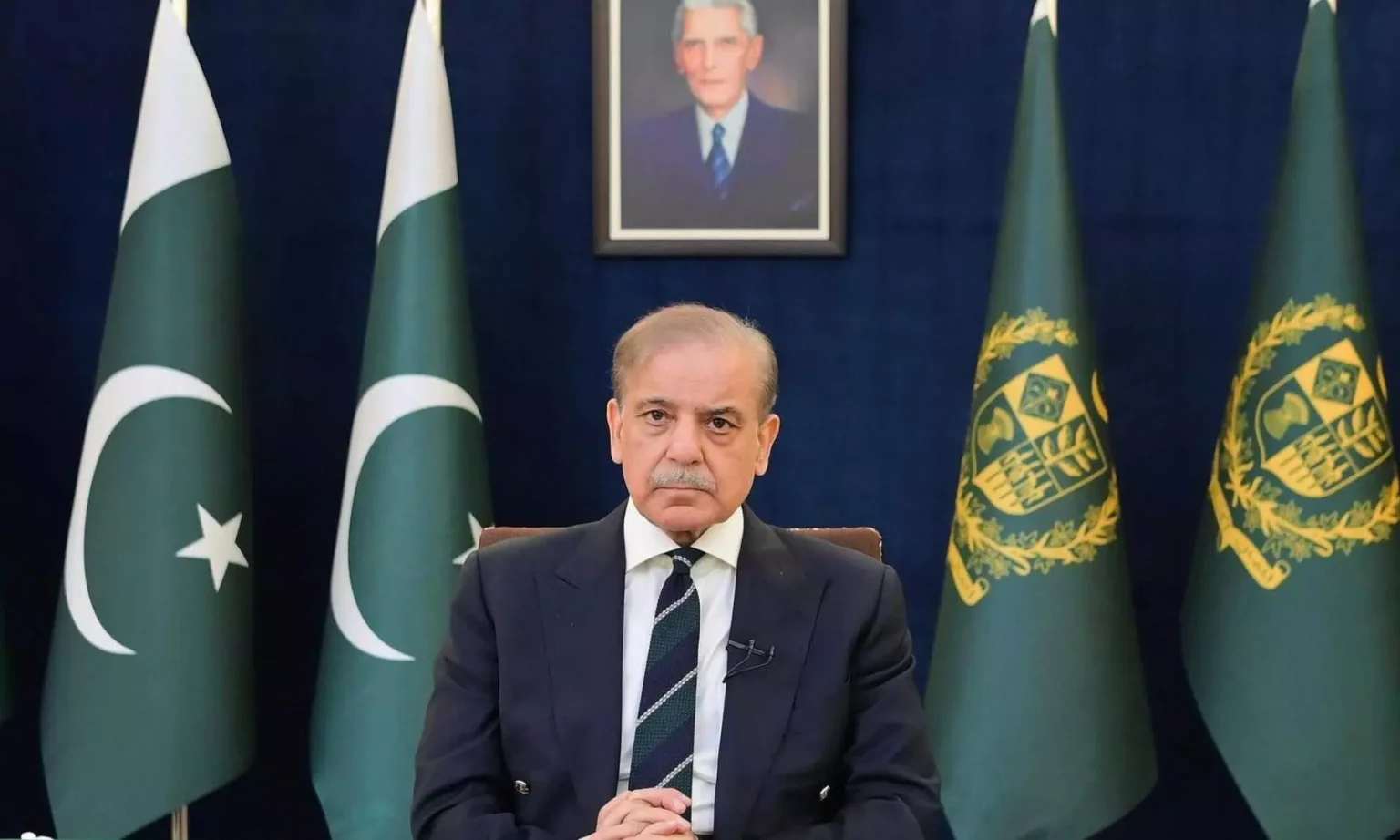
In a World Food Safety Day message, the prime minister tied food safety to public health, productivity and trade. He said Pakistan faces climate, water and research constraints but is pursuing measures to improve seeds, inputs, storage, markets and technology.
The prime minister is saying food should be safe to eat, like water should be clean to drink. He wants farmers, scientists and the government to work together so less food makes people sick and more food stays healthy.
Analysis
What the prime minister said
Prime Minister Muhammad Shehbaz Sharif called on federal and provincial governments, farmers, universities, research bodies, the private sector, civil society, media, development partners and ordinary citizens to help build a safe, resilient and nutritious food system. His message was issued on World Food Safety Day, observed on June 7.
He said Pakistan is reaffirming its commitment to ensuring access to safe, nutritious and wholesome food that is free from contamination and foodborne disease. He also paid tribute to everyone involved in agriculture and food systems, including farmers, livestock breeders, fishers, researchers and food industry stakeholders.
Why the issue is being highlighted
The prime minister linked World Food Safety Day to the wider global burden of foodborne illness. Citing the World Health Organization’s updated estimates, he noted that contaminated food makes hundreds of millions of people sick each year and causes large economic and health costs through lost productivity, healthcare spending, social challenges, and weaker tourism and trade.
He said such evidence helps countries shape policies, spend resources more effectively and prioritize interventions that protect public health.
Pakistan’s challenge
Sharif said Pakistan has fertile land, hardworking farmers and strong agricultural potential, but the sector faces limited research capacity, climate change, water scarcity, population growth and changing food consumption patterns. He said the government is pursuing integrated, forward-looking strategies to respond.
According to his message, the Ministry of National Food Security and Research is working on measures such as quality seeds, better access to inputs, more mechanization, stronger value chains, improved storage facilities and better market systems.
He also emphasized household-level steps, saying citizens can reduce risks by following basic hygiene, safe handling, proper storage and cooking practices. The message ends with a call to protect food and natural resources so Pakistan can secure a safe, nutritious, sustainable and self-reliant food future.
Key points
- The prime minister urged all levels of government and society to share responsibility for food safety.
- He linked safe food to health, productivity, trade and tourism.
- He said Pakistan faces major agricultural pressures, including climate change, water scarcity and limited research capacity.
- The government is pursuing measures such as quality seeds, mechanization, storage upgrades and stronger market systems.
- He said citizens can reduce risks through basic hygiene, safe handling, storage and cooking practices.
If the message translates into action, Pakistan could improve food safety, cut sickness from contaminated food and strengthen public health. Better seeds, storage, markets and research could also help farming become more productive and more resilient to climate pressures.
If the response stays at the level of speeches, the same problems the prime minister listed, such as weak research, water scarcity and climate stress, will keep weighing on the food system. Poor hygiene and weak storage or market systems could continue to cause foodborne illness and losses.