Pocket-size AI: Powerful phones star at China show
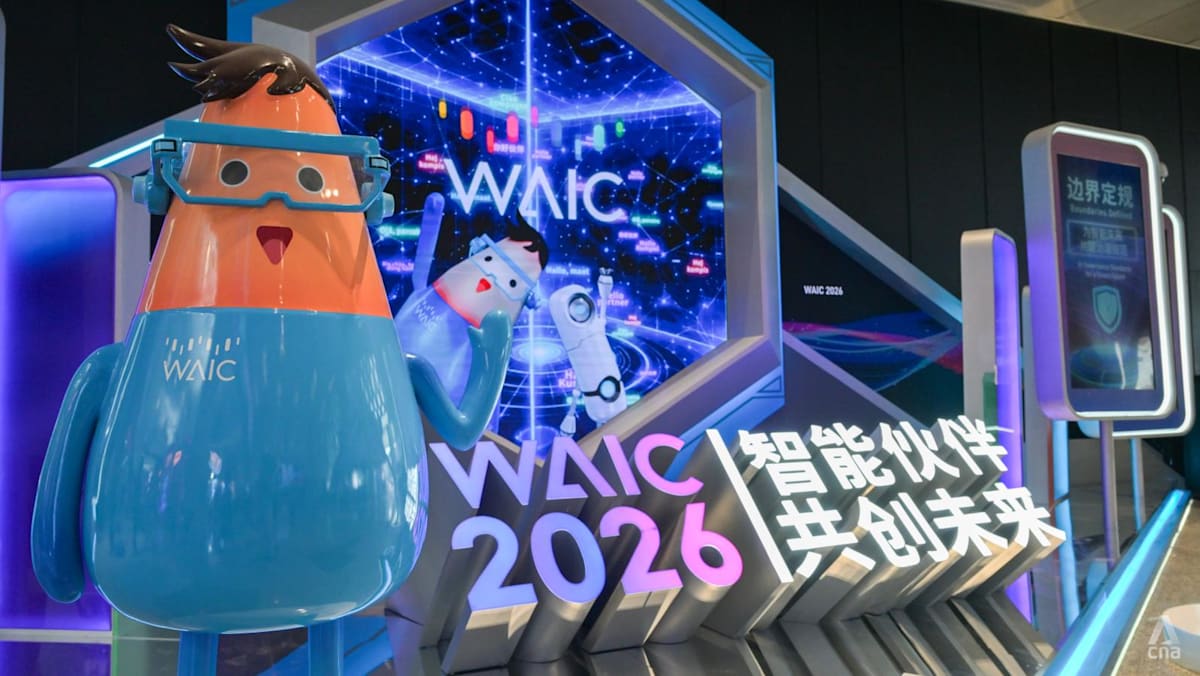
Chinese tech firms showcased advanced agentic smartphones at the 2026 World Artificial Intelligence Conference (WAIC) in Shanghai, heralding what may be to come. The phones use artificial intelligence (AI) to do everything from ordering food to composing messages upon a s…
Intelligence analysis by Llama
Chinese tech firms are racing to roll out advanced smartphones that use artificial intelligence (AI) to do everything from ordering food to composing messages upon a simple voice command. The phones are powered by AI agents, which would be a revolution but would also take control away from major apps.
Imagine having a phone that can do everything for you, from ordering food to composing messages, just by using your voice. That's what these new smartphones can do, thanks to a technology called artificial intelligence (AI). But it also means that the phone will have more control over what you do, which could be a problem.
Analysis
A New Era of AI Agent Smartphones Begins
The recent showcase of advanced agentic smartphones at the 2026 World Artificial Intelligence Conference (WAIC) in Shanghai marks a significant milestone in the development of artificial intelligence (AI) technology. Chinese tech firms are racing to roll out these powerful devices, which use AI to do everything from ordering food to composing messages upon a simple voice command. The phones are powered by AI agents, which would be a revolution but would also take control away from major apps.
The first-generation Doubao phone had been hobbled when major apps blocked unauthorised access. However, the NaviX Ultra, a phone powered by Doubao, China’s massively popular AI chatbot tool run by TikTok creator ByteDance, does not attempt to force its way into apps, but rather seeks to collaborate with them. This approach could be a game-changer in the development of AI agent smartphones.
The performance of AI agent tools is still often patchy, and platforms want to keep direct contact with their users, otherwise they lose control to another party. However, the potential benefits of AI agent smartphones are significant, and it is likely that we will see more of these devices in the future.
The Road Ahead
The development of AI agent smartphones raises several questions and concerns. For example, how will these devices affect data privacy and control? Will users be able to control what data is collected and how it is used? These are important questions that need to be addressed as we move forward with the development of AI agent smartphones.
The Impact on the Tech Industry
The development of AI agent smartphones could have significant implications for the tech industry. It could lead to a shift in the way we interact with our devices and could also raise concerns about data privacy and control. The tech industry will need to adapt to these changes and find ways to address the concerns that have been raised.
Conclusion
The recent showcase of advanced agentic smartphones at the 2026 World Artificial Intelligence Conference (WAIC) in Shanghai marks a significant milestone in the development of artificial intelligence (AI) technology. The potential benefits of AI agent smartphones are significant, and it is likely that we will see more of these devices in the future. However, the development of these devices also raises several questions and concerns that need to be addressed.
Key points
- Chinese tech firms are showcasing advanced agentic smartphones at the 2026 World Artificial Intelligence Conference (WAIC) in Shanghai.
- The phones use artificial intelligence (AI) to do everything from ordering food to composing messages upon a simple voice command.
- The phones are powered by AI agents, which would be a revolution but would also take control away from major apps.
- The performance of AI agent tools is still often patchy, and platforms want to keep direct contact with their users, otherwise they lose control to another party.
The development of AI agent smartphones could lead to a more convenient and efficient way of interacting with our devices. It could also enable new features and services that we have not seen before. For example, the phone could be able to book appointments, make payments, and even control other devices in our homes.
The development of AI agent smartphones could also raise concerns about data privacy and control. If the phone has too much control over what we do, it could lead to a loss of autonomy and freedom. Additionally, the phone could be vulnerable to hacking and other security threats, which could compromise our personal data.
Market signals
- Gold Escalation drives safe-haven demand for gold, per the article's framing of investor reaction.
AI-generated analysis of potential market relevance. Not financial advice.