Poland wants to ban phones and smartwatches in schools
Poland has approved a bill to ban under-16 students from using phones and smartwatches in school. It also approved age checks for adult websites.
Intelligence analysis by GPT-5.4 Mini
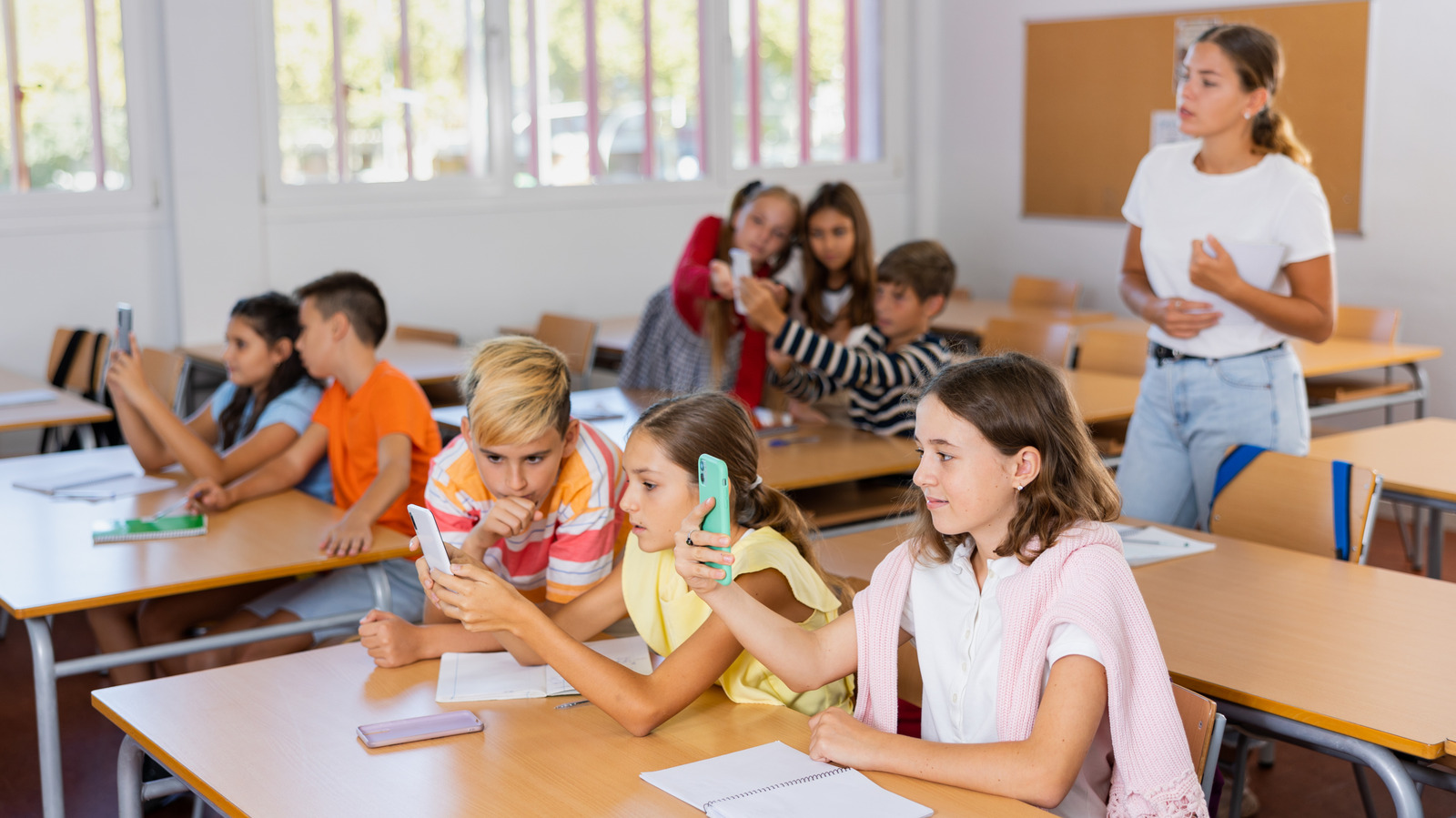
The Polish government has backed two child-safety bills: one would bar students under 16 from using phones and smartwatches during the school day, and another would require adult sites to use age verification. Both measures still face final steps before becoming law.
Poland is trying to make two new rules: students under 16 would have to put away their phones and smartwatches at school, and adult websites would have to check ages better. It is like putting a lock on a classroom drawer and a gate on a grown-up website.
Analysis
School device ban
The Polish government has approved a bill that would stop students under 16 from using phones and smartwatches in school. The restriction would cover the whole school day, including breaks and after-class activities, according to the article. Students could still bring devices to school, but schools would need to provide a place where they must leave them until the day ends.
The proposed rule would not apply to teachers or school staff. It would also leave room for exceptions for students with illnesses, disabilities, or other special needs. The article gives blood sugar monitoring as one example of a case where a student could keep electronic devices.
The bill is not law yet. It still needs approval from parliament and President Karol Nawrocki. If it passes those steps, it would take effect with the next school year on September 1.
Prime Minister Donald Tusk framed the measure as a response to what he called a serious problem of addiction to phones and the internet. The article also places Poland among countries that have already restricted phone use in schools, pointing to Italy, South Korea, and the Netherlands as examples.
Age checks for adult sites
Poland also approved a separate bill that would require websites offering adult content to add age verification systems. The article says the UK introduced a similar requirement in 2019, and that other regions and US states have since adopted comparable rules. Together, the two bills show Poland moving to limit children's access to both phones in school and adult content online.
Key points
- Poland has approved a bill to ban under-16 students from using phones and smartwatches at school.
- The rule would cover the entire school day, including breaks and post-class activities.
- Schools would need to provide a place for students to leave their devices.
- Exceptions would apply for staff, medical needs, disabilities, special needs, and emergencies.
- Poland also approved a bill requiring adult websites to add age verification.
If the school ban works as intended, it could reduce distractions during class and breaks. The article also suggests schools would still have exceptions for emergencies and health needs, which could make the rule more workable. The age-check bill could make it harder for children to reach adult sites.
The school ban could be hard to enforce evenly across different schools, especially during breaks and after-class activities. Some students may still need devices for health or emergency reasons, which could complicate the policy. Age verification rules can also create extra compliance work for websites.