Police seize over 250 tons of narcotics since March
Iranian anti-narcotics police seized over 250 tons of drugs in the first six months of the current Iranian year, a 20% increase, and dismantled 780 trafficking gangs. The UNODC highlights Iran's critical role in preventing drugs, especially synthetic ones, from reaching i…
Intelligence analysis by Gemini 2.5 Flash
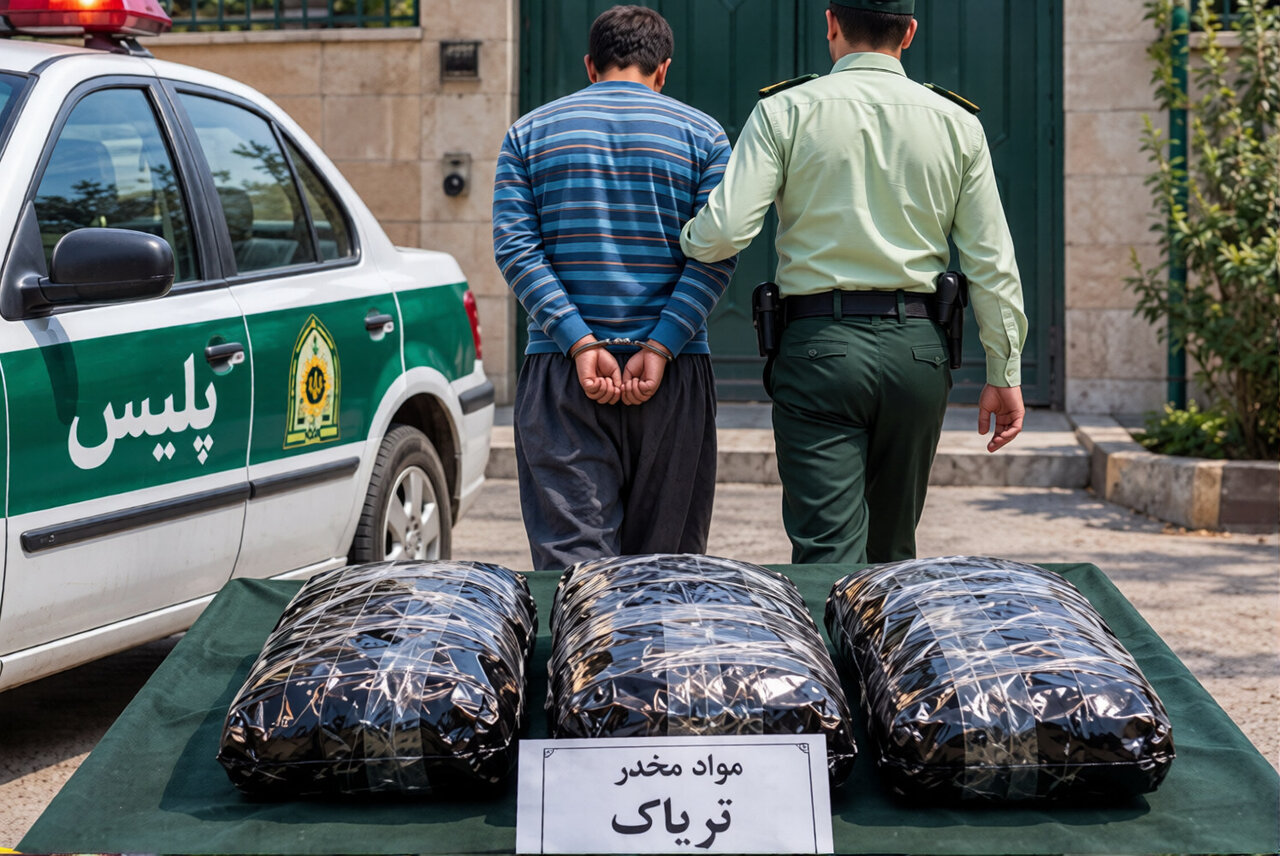
Iran's anti-narcotics police have significantly ramped up their efforts, seizing a record amount of drugs and dismantling numerous trafficking networks, including those operating online. This intensified crackdown is recognized by the UNODC as crucial for global security, particularly in intercepting synthetic drugs like methamphetamine before they reach Europe and the Persian Gulf.
Imagine there are bad guys trying to sneak lots of candy that makes people sick into other countries. The police in Iran are like super-detectives who caught over 250 big trucks full of this bad candy in just six months! They also caught thousands of the bad guys and stopped their secret clubs. Even big international helpers like the United Nations say Iran is doing a really important job, like a goalie stopping the bad candy from getting into the rest of the world, especially a new kind of super-strong bad candy called meth.
Analysis
250 Tons
Iran's anti-narcotics police have reported a substantial increase in their operational successes, seizing over 250 tons of narcotics within the first six months of the current Iranian year, which began on March 21. This figure represents a significant 20 percent rise compared to the same period last year, indicating a heightened and more effective campaign against illicit drug trade within the country.
Beyond the sheer volume of drugs intercepted, the police also achieved considerable success in disrupting the organizational structures of drug trafficking. They disbanded 780 drug trafficking gangs across Iran, leading to the arrest of over 7,000 smugglers. Furthermore, these operations resulted in the confiscation of more than 330 weapons and 8,000 vehicles, underscoring the comprehensive nature of the crackdown on the logistical and financial networks supporting the drug trade.
UNODC
The United Nations Office on Drugs and Crime (UNODC) has publicly acknowledged and emphasized the critical importance of supporting Iran's counter-narcotics efforts. A report released by the UNODC in August highlighted that backing Iran's work in this area yields benefits that extend far beyond its national borders, contributing significantly to regional and international security.
The report specifically noted that Iran's interdiction activities are instrumental in preventing drugs from reaching other regions, thereby disrupting the financial flows that sustain organized crime globally. Moreover, these efforts play a crucial role in supporting public health by slowing the spread of addictive synthetic substances into new markets. The UNODC's Country Partnership Programme and Cooperation Framework with Iran actively support these efforts through advancements in border technology, forensic capabilities, and regional intelligence sharing.
Afghanistan-West Asia Corridor
Iran's strategic geographical position along the "Afghanistan-West Asia corridor" places it at the forefront of the battle against a burgeoning synthetic drug trade. This corridor has become the primary trafficking route for illicit commodities, particularly as criminal networks in the region shift from traditional opium production to manufacturing and exporting synthetic drugs like methamphetamine, commonly known as meth.
Iranian authorities have demonstrated significant success in intercepting these industrial-scale shipments. For instance, in the first quarter of 2026 alone, 3,663 kilograms of methamphetamines destined for Europe and the Persian Gulf were intercepted in five intelligence-led operations. These seizures are not merely statistics; they represent critical disruptions to supply chains that would otherwise flood international markets with synthetic drugs, simultaneously cutting into the earnings of organized criminal networks.
However, the scale of this challenge necessitates sustained international cooperation and donor investment. The UNODC stresses that while Iran's efforts are commendable, a collective and sustainable approach from the global community is vital to prevent this route from becoming an even more significant gateway for synthetic drugs, thereby safeguarding international stability and security.
Key points
- Iranian anti-narcotics police seized over 250 tons of drugs in six months, a 20% increase from the previous year.
- Authorities disbanded 780 drug trafficking gangs, arrested over 7,000 smugglers, and confiscated numerous weapons and vehicles.
- Police also dismantled 14 online drug gangs, arresting 196 individuals and seizing over 460 kg of narcotics and 420,000 illicit pills.
- The UNODC emphasizes Iran's crucial role in global counter-narcotics efforts, preventing drugs from reaching international markets and disrupting organized crime funding.
- Iran is strategically positioned along the "Afghanistan-West Asia corridor," a primary route for synthetic drugs like methamphetamine, with significant seizures destined for Europe and the Persian Gulf.
The significant increase in drug seizures and the dismantling of trafficking gangs suggest that Iran's anti-narcotics strategies are becoming more effective. Continued international support and cooperation, as highlighted by the UNODC, could further strengthen Iran's capacity, leading to a substantial reduction in the global flow of illicit drugs and a positive impact on public health and security worldwide.
Despite increased seizures, the article notes a shift towards synthetic drugs and the persistent challenge of the "Afghanistan-West Asia corridor." Without sustained and enhanced international cooperation and donor investment, Iran's efforts could be overwhelmed by the scale of the problem, potentially allowing more synthetic drugs to reach international markets and further funding organized crime.