Poorest countries hit hardest by UK aid cuts under Keir Starmer government, new figures reveal
New figures reveal that the world's poorest countries were disproportionately affected by UK aid cuts under Keir Starmer's government, while higher-income nations saw their share increase.
Intelligence analysis by Gemini 2.5 Flash
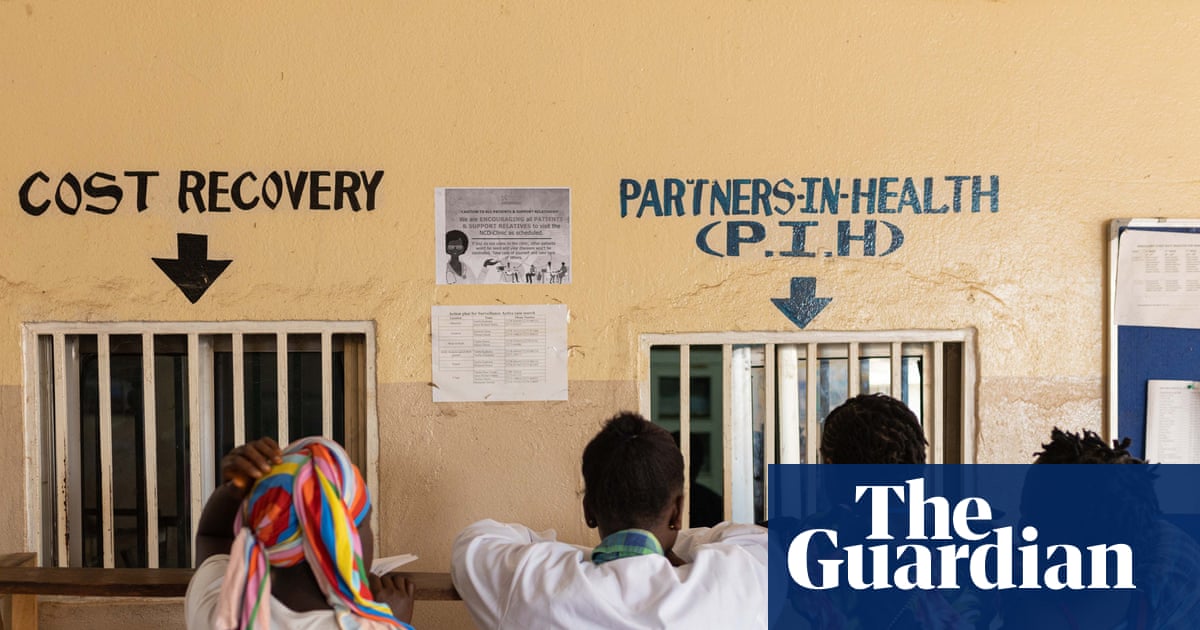
The UK's Official Development Assistance budget decreased significantly in 2025, with least-developed and low-income countries experiencing a 6.7% reduction in funding. This redirection of funds, partly towards defence spending, has led to the closure of critical humanitarian programs and exacerbated funding gaps, leaving vulnerable communities without essential support.
Imagine you have a piggy bank, and you usually share some of your pocket money with your friends who don't have much. But now, you've decided to spend more money on new toys for yourself, so you're giving less to your friends. The friends who needed the money the most are getting almost nothing, while some of your other friends who already have a bit are getting more. This story is about how the UK government is doing something similar with its aid money, giving less to the poorest countries and causing problems for people who rely on that help for things like doctors or school.
Analysis
The recent revelations regarding the UK's aid budget under Keir Starmer's government underscore a concerning trend in global development assistance. While the overall Official Development Assistance (ODA) budget saw a substantial decrease from 0.5% to 0.44% of gross national income (GNI) in 2025, amounting to a £987m drop, the distribution of the remaining funds has drawn sharp criticism. The figures indicate a clear prioritization shift, with the most vulnerable nations bearing the brunt of these reductions.
£118m
Least-developed countries and low-income countries experienced a collective funding decrease of £118m, representing a 6.7% cut. This reduction stands in stark contrast to the increases observed in aid to lower-middle-income countries (up 13%) and upper-middle-income countries (up 2%). The disproportionate impact on the poorest nations suggests a strategic re-evaluation of aid allocation that appears to neglect those with the most acute needs.
This financial rebalancing has immediate and severe consequences on the ground. Humanitarian programs, such as maternal health provision in Sierra Leone and education for children with disabilities across Africa, are reportedly being forced to close. Such closures directly affect marginalized communities, particularly in climate-vulnerable and conflict-affected areas, leaving them without vital support and exacerbating existing crises.
Gideon Rabinowitz
Gideon Rabinowitz, the director of policy and advocacy at the charity network Bond, expressed profound concern over these cuts, labeling it "shocking" that the least-developed countries have been hit hardest. He emphasized the tangible human cost, noting that critical programs are already being shut down, directly impacting vulnerable populations. Rabinowitz's comments highlight the ethical implications of these policy decisions, framing them as political choices with severe humanitarian repercussions.
His statements are supported by broader warnings from aid experts, who indicate that cumulative reductions by major donors like the UK, United States, and Europe are forcing aid workers to prioritize only immediate life-saving support. This narrow focus, while necessary in emergencies, often comes at the expense of longer-term development and preventative measures, potentially leading to millions of avoidable deaths in the future. The Active Learning Network for Accountability and Performance (Alnap) reported that 64 million fewer people received aid last year due to these cuts, illustrating the widespread impact.
Andy Burnham
In response to these developments, Bond, the charity network, has issued a direct appeal to the new prime minister, Andy Burnham, urging him to reconsider the aid cuts initiated by his predecessor. The call to action emphasizes that the remaining UK aid budget must be directed where it is most needed, specifically towards reducing poverty and inequality in fragile and conflict-affected countries where humanitarian needs are most acute. This plea underscores the urgency of a policy reversal to mitigate further suffering.
The future consequences of these aid reductions will depend significantly on the decisions made by donor governments and the capacity of crisis-affected governments and local support systems to absorb the shock of reduced external assistance. If these local systems are unable to compensate for the diminished aid, there is a substantial risk that an increasing number of people will be left without essential support, potentially leading to a deepening of humanitarian crises globally.
Key points
- The UK's Official Development Assistance budget decreased by £987m in 2025, falling to 0.44% of GNI from 0.5% in 2024.
- Least-developed and low-income countries experienced a 6.7% decrease in funding, amounting to £118m in cuts.
- Aid to lower-middle-income countries increased by 13%, and to upper-middle-income countries by 2%.
- Critical humanitarian programs, including maternal health in Sierra Leone and education for disabled children in Africa, are being forced to close.
- Charity network Bond is urging new Prime Minister Andy Burnham to reconsider the aid cuts, emphasizing the need to direct funds to where they are most needed.
The continued aid cuts risk exacerbating humanitarian crises in the world's poorest and most vulnerable countries, leading to the closure of essential programs and potentially millions of avoidable deaths. This could deepen poverty and inequality, particularly in conflict-affected and climate-vulnerable regions, as local support systems struggle to compensate for reduced external assistance.


