Pornography showing strangulation and incest to be banned in UK from early November
The UK will ban pornography depicting strangulation, suffocation, and incest from November 6th. This legislation follows recommendations from a 2025 review into pornography regulation.
Intelligence analysis by Gemini 2.5 Flash Lite

New UK legislation will outlaw pornography featuring strangulation, suffocation, and incestuous relationships starting November 6th. The move, driven by cross-party pressure and a review highlighting the real-world harms of such content, aims to curb the normalization of violence, particularly against women, and hold the industry accountable.
Imagine some movies show things that are really bad and dangerous in real life, like hurting people badly. Now, the UK is making it illegal to show those dangerous things in adult movies (pornography), like choking or family members being together romantically, because they can make people think those bad things are okay.
Analysis
Gabby Bertin's Review
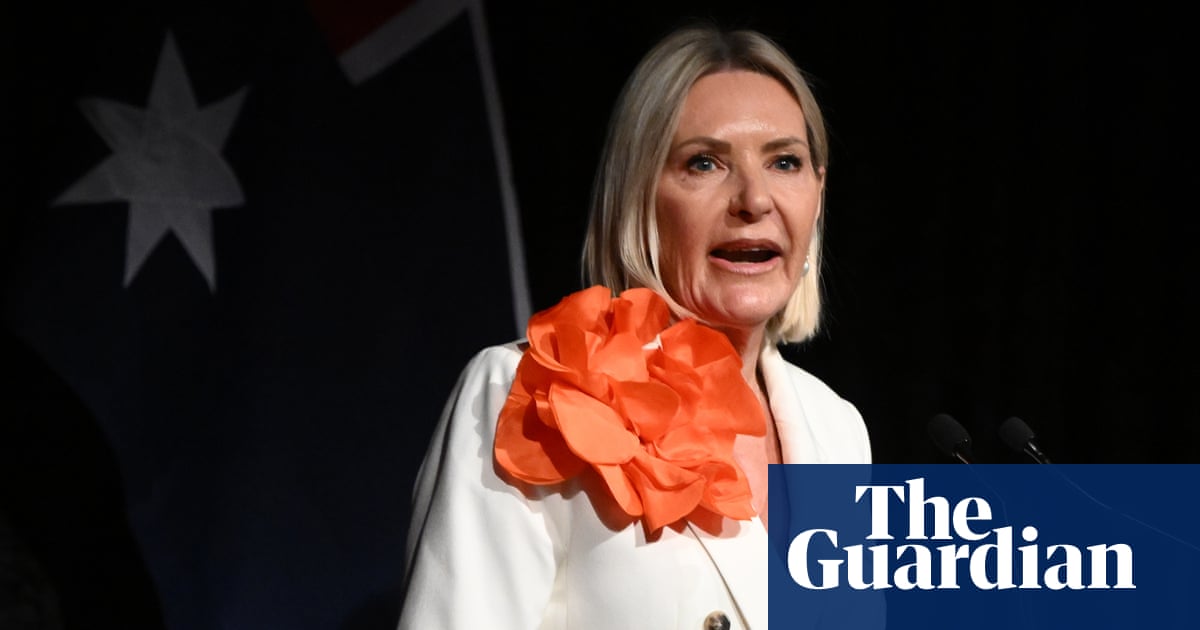
The legislation stems directly from recommendations made in a 2025 review conducted by Conservative peer Gabby Bertin. Her report critically examined the pornography industry, finding a "total absence of government scrutiny." A key focus of her review was content depicting women being choked, which she identified as having "devastating" real-world consequences. The review also highlighted "disturbing" role-play scenarios, including incest and adults pretending to be children, both of which are now set to be banned.
Bertin's findings underscore a significant gap in regulatory oversight, suggesting that the government had not adequately addressed the potential harms associated with the online pornography industry. The report's emphasis on the normalization of violence, particularly against women, and the depiction of illegal or harmful sexual acts, provided the impetus for legislative action. The review's conclusions have been instrumental in pushing for a legal framework that acknowledges and seeks to mitigate the societal impact of explicit content.
Alex Davies-Jones's Statement
Justice minister Alex Davies-Jones clarified the government's stance, emphasizing that the ban is not intended to criminalize "harmless sexual preferences." Instead, the focus is on the potential for pornography to shape perceptions of healthy relationships, especially among young people. Davies-Jones stated that content which "normalises, or even glorifies, violence against women is dangerous and can blur the line with what is acceptable in real life." This statement frames the legislation as a protective measure against the insidious influence of violent and exploitative content.
The minister's remarks highlight a concern that the widespread availability of certain types of pornography can desensitize viewers and contribute to the acceptance of harmful behaviors in real-world interactions. By drawing a line between consensual adult preferences and content that depicts or promotes violence and exploitation, the government aims to protect vulnerable individuals and promote healthier societal norms regarding sexuality and relationships.
End Violence Against Women Coalition's Response
The End Violence Against Women Coalition (EVAW) has welcomed the ban, characterizing it as an "important step towards tackling the normalisation of violence against women and girls." The group, which has campaigned for years on this issue, stressed the need for effective enforcement of the new law. Janaya Walker, EVAW's interim director, noted that strangulation, in particular, can cause severe and lasting harm, even death, and its portrayal in pornography risks normalizing such violence within sexual relationships, especially for young people.
EVAW's reaction underscores the broader societal implications of violent pornography. The coalition's call for robust enforcement and updates to the Online Safety Act indicates a desire for comprehensive action. They advocate for holding the industry accountable for content that profits from violence and for ensuring online platforms actively remove such material. This perspective emphasizes the need for a multi-faceted approach involving legal penalties, platform responsibility, and ongoing public awareness campaigns to combat the harmful effects of violent pornography.
Key points
- Pornography depicting strangulation, suffocation, and incest will be illegal in the UK from November 6th.
- The legislation follows recommendations from a 2025 review into pornography regulation by Gabby Bertin.
- Justice minister Alex Davies-Jones stated the ban targets content that normalizes or glorifies violence, particularly against women.
- Campaign groups like the End Violence Against Women Coalition have welcomed the ban but urge effective enforcement.
- The law aims to hold the pornography industry accountable for content that depicts and profits from violence.
The ban could lead to a significant reduction in the normalization of violence against women and girls, fostering healthier attitudes towards relationships and consent, particularly among young people. Effective enforcement may also encourage online platforms to adopt more responsible content moderation practices.
There is a risk that the ban may be difficult to enforce effectively, with content potentially migrating to less regulated platforms or being accessed through VPNs. Furthermore, the legislation might face challenges in distinguishing between harmful depictions and consensual, albeit extreme, sexual practices.