Porsche magnate puts historic Salzburg villa up for sale after row over private ‘tunnel for one’
Wolfgang Porsche has put his historic Salzburg villa up for sale after a public uproar over his plans to build a private tunnel. The villa, once home to Stefan Zweig, is on the market for €12.7m.
Intelligence analysis by Llama 3.3 70B
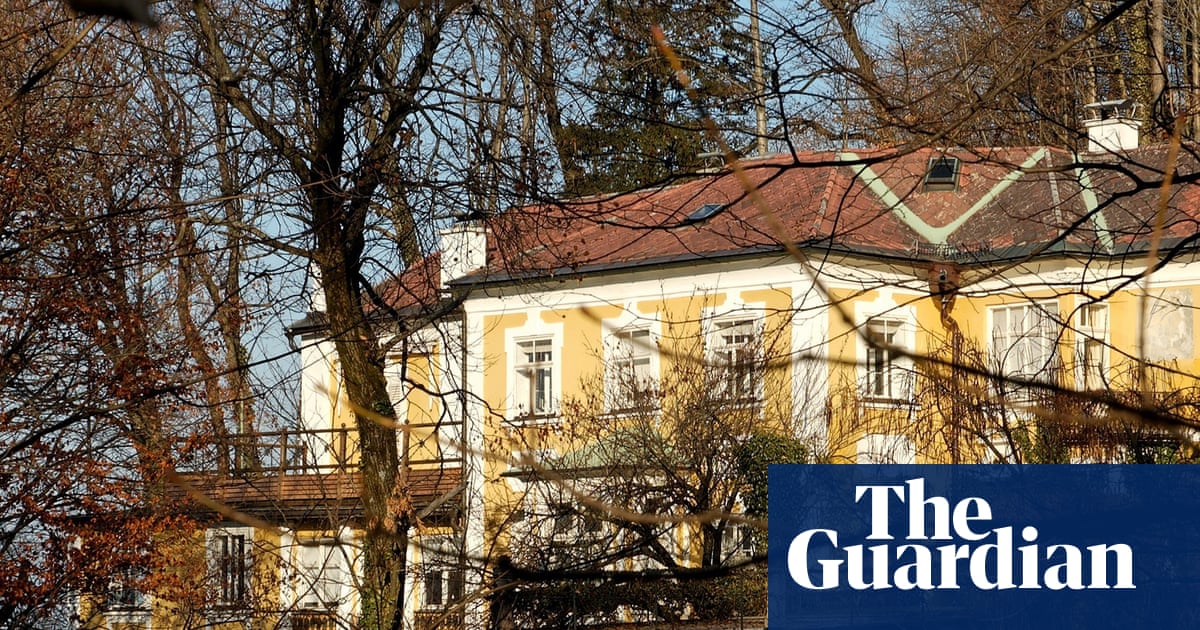
The Salzburg villa, known for its historic significance and connection to Stefan Zweig, has been put up for sale by Wolfgang Porsche after his plans for a private tunnel sparked controversy.
A rich man named Wolfgang Porsche wanted to build a special tunnel for his cars to reach his house in Salzburg. But the people who live there didn't like the idea because it would only help him and not them. Now, he's selling his house, and someone else might get to build the tunnel instead.
Analysis
The Historic Villa and Its Significance
The Salzburg villa, known locally as the Paschinger Schlössl, has a rich history dating back to the 17th century. It was once the home of Stefan Zweig, a Jewish writer who was driven out of the city in 1934 by the Austro-fascist regime. Zweig's memoirs inspired the Wes Anderson film The Grand Budapest Hotel, and the villa is considered a significant cultural and historical landmark in Salzburg.
The villa's historic significance is not only tied to its past owners but also to its architecture and location. The property is situated on the outskirts of Salzburg, surrounded by the rugged limestone hills of the Kapuzinerberg. The villa's charm, as described by Zweig, lies in its inaccessibility to cars, with the only way to reach it being by climbing over a hundred steps.
The Controversy Surrounding the Private Tunnel
Wolfgang Porsche's plans to build a private 500-metre tunnel for his cars through the Salzburg hills sparked widespread controversy and outrage among locals. The proposal was seen as a symbol of inequality and a disregard for the city's housing shortage and extortionate rents. Protesters argued that the tunnel would only benefit one individual, while the city's residents were struggling to find affordable housing.
The controversy surrounding the private tunnel plans highlights the issues of access and inequality in Salzburg. The city's residents feel that public spaces and resources are being used for the benefit of a select few, while the majority are left to struggle with the consequences of gentrification and unaffordable housing.
The Implications of the Villa's Sale
The sale of the villa and the abandonment of the private tunnel plans have been seen as a victory for the protesters and a step towards addressing the issues of inequality and access in Salzburg. However, the sale of the villa also raises questions about the city's ability to preserve its cultural and historical heritage.
The villa's new owner will be permitted to build the tunnel, although they will have to rush to do so as the planning permission is only valid until the end of 2028. The city authorities have dashed the hopes of those who campaigned for the villa to come into state hands and be turned into a museum dedicated to the memory of Stefan Zweig. The sale of the villa highlights the challenges of preserving cultural and historical landmarks in the face of private interests and real estate speculation.
Key points
- Wolfgang Porsche has put his historic Salzburg villa up for sale
- The villa was once home to Stefan Zweig
- Porsche's plans for a private tunnel sparked controversy and outrage among locals
- The sale of the villa highlights issues of inequality and access in Salzburg
The sale of the villa and the abandonment of the private tunnel plans could be a step towards addressing the issues of inequality and access in Salzburg. The city may be able to find a new owner who is willing to work with the community to preserve the villa's cultural and historical significance.
The sale of the villa could lead to further gentrification and real estate speculation in Salzburg, exacerbating the city's housing shortage and inequality issues. The new owner may prioritize their own interests over the city's cultural and historical heritage, leading to the loss of a significant landmark.