Potential US ban on Chinese AI models could cost American businesses US$12b a year: report
A potential US ban on Chinese open-weight AI models could cost American businesses up to US$12 billion per year, according to a US-based academic. The estimate was based on token usage and price gaps between open and closed models recorded from July 21 to 27.
Intelligence analysis by Llama
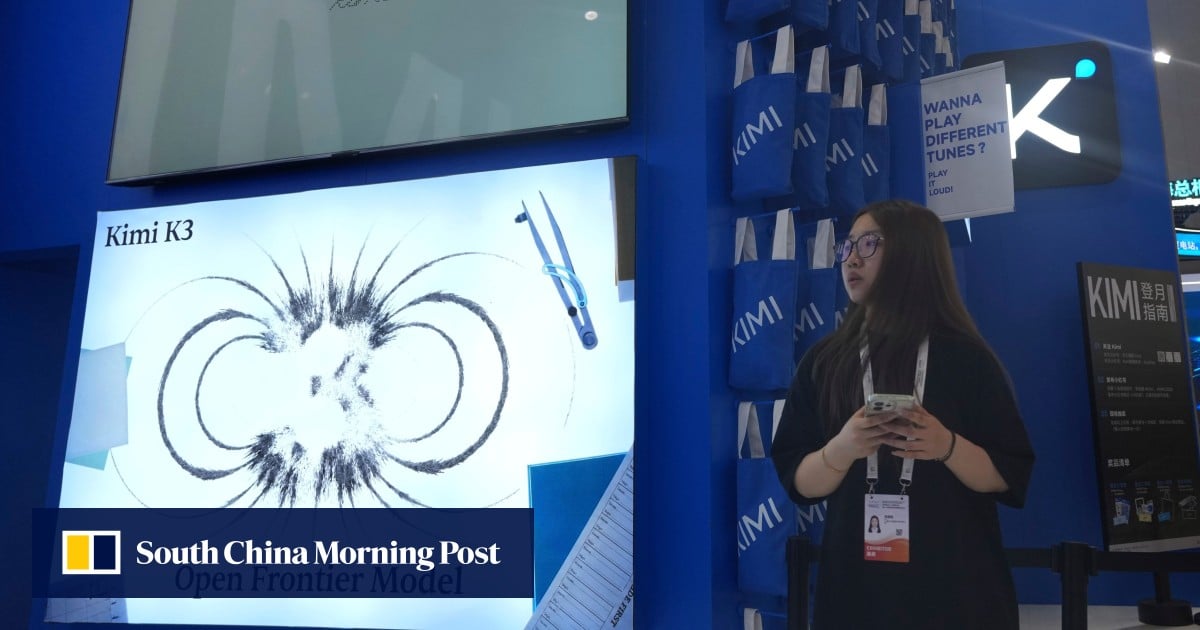
A US ban on Chinese open-weight AI models could cost American businesses up to US$12 billion per year, according to a US-based academic. The estimate was based on token usage and price gaps between open and closed models recorded from July 21 to 27.
Imagine you're building a house, and you need to use a special tool to make it strong. But the tool is made in a country that's far away, and the government is thinking about not letting you use it anymore. This could make it harder and more expensive for you to build your house, because you might have to use a different tool that's not as good.
Analysis
A $60B Vote of Confidence
The potential US ban on Chinese AI models has significant implications for American businesses, with estimates suggesting a potential cost increase of up to US$12 billion per year. This is based on token usage and price gaps between open and closed models recorded from July 21 to 27. The researcher, Daniel Yue, an assistant professor at the Georgia Institute of Technology’s Scheller College of Business, stressed that the figures were an “order of magnitude” approximation rather than a definitive projection, citing the difficulty of tracking usage outside centralised platforms.
Why Cursor?
The US ban on Chinese AI models is a response to growing concerns about the security and reliability of foreign open-source models. While the exact economic toll of a ban remains difficult to quantify, usage data from New York-based OpenRouter – a large language model (LLM) aggregator – offers a glimpse into the potential fallout. If OpenRouter users were forced to migrate from Chinese open-weight models to top proprietary alternatives, they could face an additional annual bill of about US$2 billion, according to Yue.
The Road Ahead
The potential US ban on Chinese AI models has significant implications for American businesses, with estimates suggesting a potential cost increase of up to US$12 billion per year. This is based on token usage and price gaps between open and closed models recorded from July 21 to 27. The researcher, Daniel Yue, an assistant professor at the Georgia Institute of Technology’s Scheller College of Business, stressed that the figures were an “order of magnitude” approximation rather than a definitive projection, citing the difficulty of tracking usage outside centralised platforms.
Key points
- A potential US ban on Chinese AI models could cost American businesses up to US$12 billion per year.
- The estimate was based on token usage and price gaps between open and closed models recorded from July 21 to 27.
- The researcher, Daniel Yue, an assistant professor at the Georgia Institute of Technology’s Scheller College of Business, stressed that the figures were an “order of magnitude” approximation rather than a definitive projection, citing the difficulty of tracking usage outside c…
If the US ban on Chinese AI models is implemented, it could lead to the development of more secure and reliable AI models in the US, which could create new job opportunities and stimulate innovation in the field.
The US ban on Chinese AI models could lead to a shortage of AI models, which could make it harder for businesses to develop and deploy AI-powered products and services, potentially leading to economic losses and job losses.


