Poundland's future hangs in the balance as chain edges towards collapse
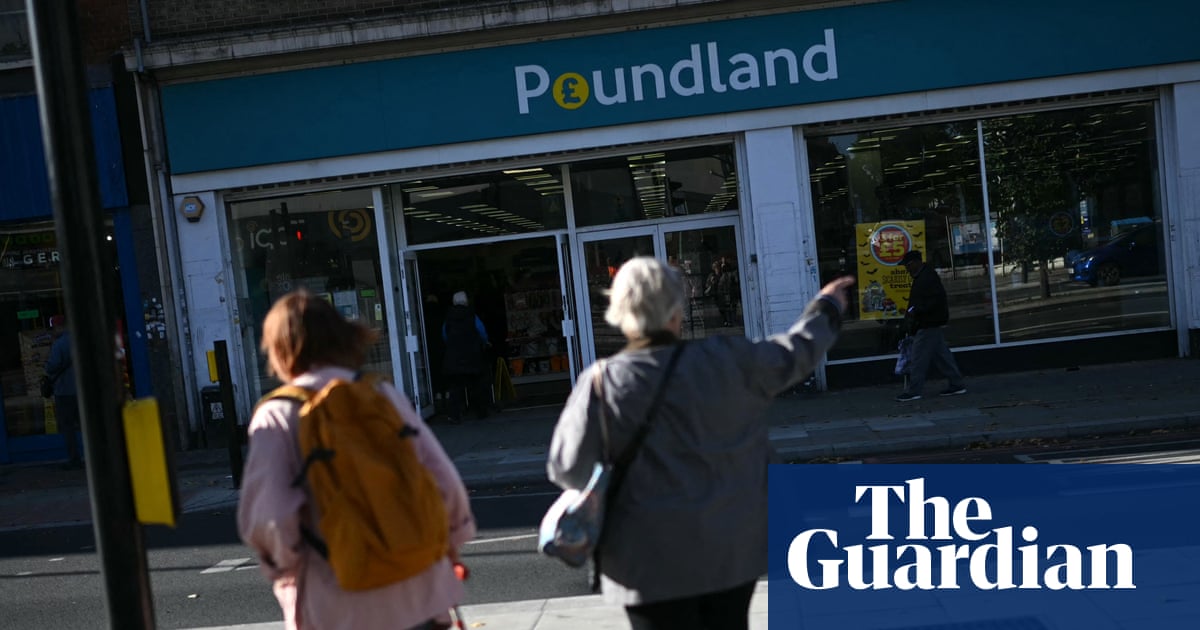
Discount retailer Poundland is on the brink of collapse, with its US owner, Gordon Brothers, filing a notice of intention to appoint administrators.
Intelligence analysis by Gemini 2.5 Flash

The move grants Poundland 10 days to secure a rescue deal, but its owner reportedly favors breaking up the firm to recoup a £30m shareholder loan. This decision is opposed by Poundland's management, who claim the business is performing well and had a viable offer from Martin Property Group.
Imagine a popular shop called Poundland where everything costs a pound. It's like a treasure hunt for everyday things! But the company that owns it, Gordon Brothers, wants to sell it off in pieces, even though the shop's boss says it's doing really well and has lots of customers. It's like your parents wanting to sell your favorite toy store, even if it's making money, because they want to get back a big loan they gave it, and they didn't like an offer from someone who wanted to keep the whole shop open.
Analysis
Gordon Brothers
Gordon Brothers, the US investment firm that acquired Poundland from Pepco for a nominal £1 just over a year ago, is now steering the discount chain towards an insolvency process. The firm's primary objective appears to be the recovery of a substantial £30m shareholder loan, which it inherited from the previous owners. This financial imperative has reportedly led Gordon Brothers to favor a breakup of Poundland, with various rival retailers expressing interest in acquiring parcels of its store estate. An insider from Gordon Brothers suggested that this strategy would ultimately allow creditors to recover more money and could offer the best outcome for staff, as current employees might find employment with new store owners.
This approach, however, stands in stark contrast to the wishes of Poundland's management. The investment firm's decision to limit Poundland's access to funds, which are crucial for day-to-day operations, has been a critical factor in pushing the retailer towards administration. Gordon Brothers' stance highlights a common tension in private equity ownership, where financial returns and debt recovery often take precedence over operational continuity, especially when a quick exit or restructuring is deemed more profitable than a long-term turnaround.
Martin Property Group
An Irish firm, Martin Property Group (MPG), had put forward a bid to acquire Poundland as a going concern, an option that was strongly preferred by the retailer's management. This offer was described by Poundland's managing director, Barry Williams, as a "fully funded, ready to go bid that would have kept the business intact and able to continue the remarkable progress we've made." However, it is understood that MPG's offer, reportedly for £5m with the remainder deferred, did not meet Gordon Brothers' expectations, which were centered on recouping the £30m shareholder loan.
Three independent directors, appointed specifically to oversee a sale, resigned immediately after Gordon Brothers rejected MPG's solvent offer. Their resignation underscores the deep disagreement within the company regarding the best path forward. The rejection of a solvent bid, which would have preserved the business as a whole, suggests that Gordon Brothers' financial recovery strategy was incompatible with the terms of the offer, prioritizing immediate capital recovery over the continuity of the entire retail operation. This situation illustrates the challenges in aligning the interests of a financial owner with the operational management and the broader stakeholders of a business.
Barry Williams
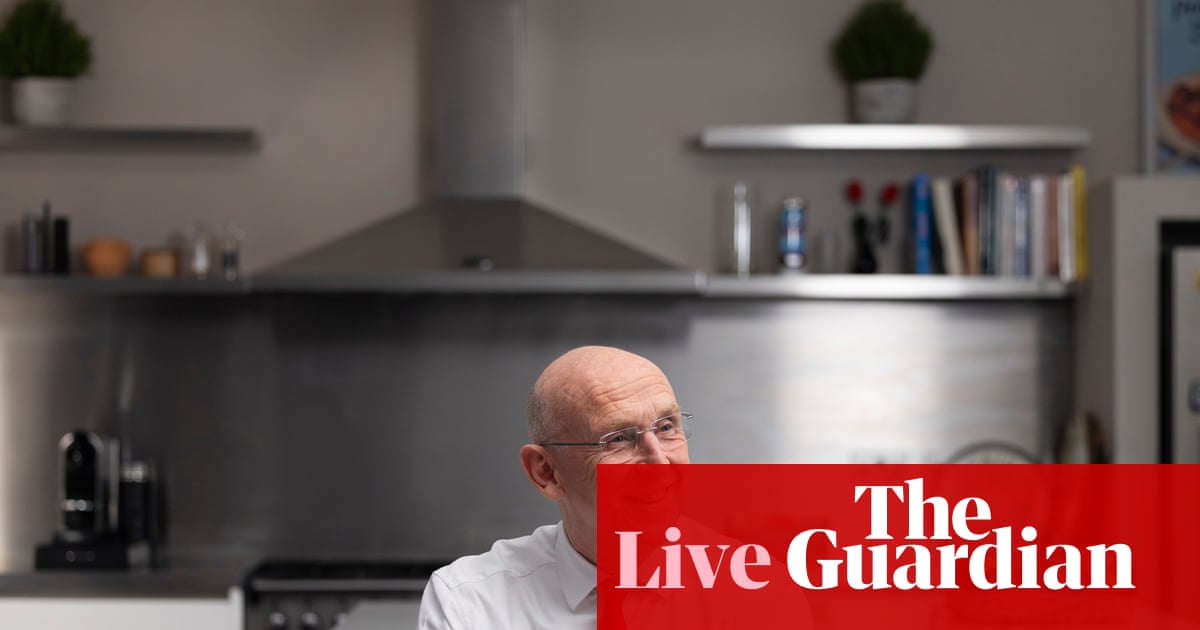
Poundland's managing director, Barry Williams, has been vocal in his opposition to the current trajectory, describing the situation as "unexpected, unwanted and wholly avoidable." In a memo to his 12,000 staff across 600 stores, Williams expressed profound disappointment, stating that Gordon Brothers had restricted Poundland's access to funds that would normally be available under existing loan agreements. He emphasized that the business's sales were strong and its recovery was taking root, asserting that Poundland "simply does not deserve to go into any kind of administration."
Williams's perspective highlights a fundamental conflict between the operational health of the business and the financial strategy of its owner. His message to staff, seen by the BBC, painted a picture of a management team confident in the company's performance and its potential for continued growth, had it not been for the owner's financial decisions. This internal dissent, culminating in the resignation of independent directors, suggests a deep fracture in the leadership, with management advocating for the preservation of the business and its workforce, while the owner pursues a different financial outcome.
Key points
- Poundland is filing a notice of intention to appoint administrators, seeking 10 days to find a rescue deal.
- Its US owner, Gordon Brothers, aims to recoup a £30m shareholder loan and reportedly prefers breaking up the firm.
- Poundland's management, led by Barry Williams, believes the business is strong and that the situation is "wholly avoidable."
- An offer from Martin Property Group to take on the business as a going concern was rejected by Gordon Brothers.
- Several rival retailers, including Poundstretcher, B&M, Iceland, and Lidl, have expressed interest in acquiring Poundland's stores.
Despite the current challenges, the interest from multiple retailers like Poundstretcher, B&M, and Lidl in acquiring stores could lead to many Poundland locations remaining open under new ownership, potentially preserving a significant number of jobs and maintaining a discount retail presence on high streets.
The most likely outcome, according to the article, is that Poundland will be broken up and sold in parcels, which could lead to widespread store closures and substantial job losses for its 12,000 staff if new owners do not absorb all existing employees or locations.