Poverty in Iran; When Having Multiple Jobs Is Not Enough
Poverty in Iran has become a severe issue, affecting not only the unemployed but also those with multiple jobs. The country's economic crisis, high inflation, and political tensions have led to a significant decrease in people's purchasing power.
Intelligence analysis by Llama
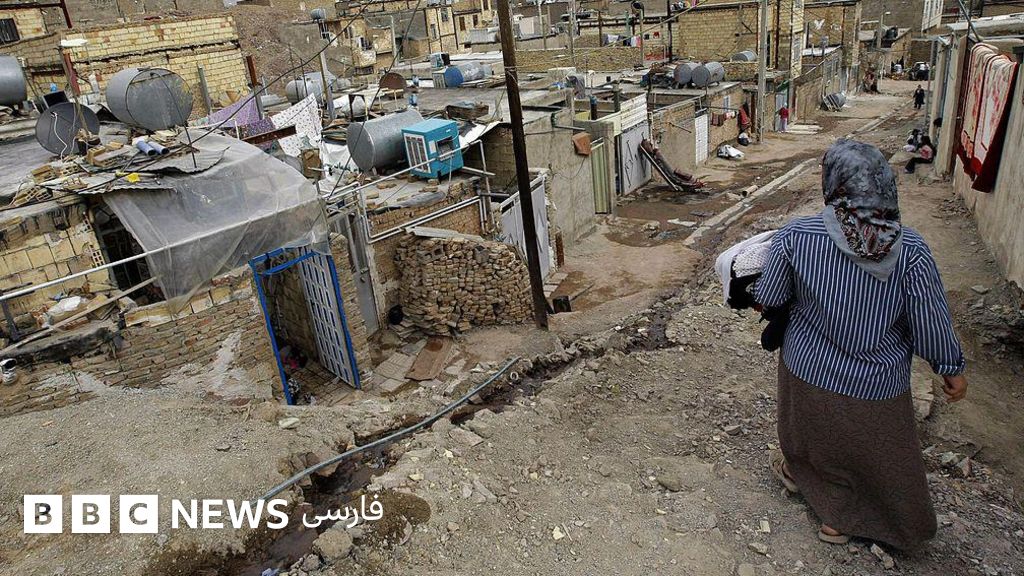
Iran's poverty rate has been increasing over the past two decades, with a significant rise in the past decade. The country's economic crisis, high inflation, and political tensions have led to a severe decrease in people's purchasing power, making it difficult for even those with multiple jobs to make ends meet.
Imagine you have a big jar of cookies, but the cookies are getting smaller and smaller every day. That's what's happening in Iran, where people are struggling to afford basic necessities like food and housing. The country's economy is in trouble, and it's making it hard for people to make ends meet.
Analysis
A Severe Economic Crisis
Iran's economy has been facing a severe crisis for several years, with high inflation rates and a significant decrease in people's purchasing power. The country's economic growth rate has been negative for several years, and the poverty rate has been increasing accordingly.
The Impact of High Inflation
High inflation rates have been a major contributor to the poverty crisis in Iran. The country's inflation rate has been one of the highest in the world, with a year-over-year inflation rate of 61.4% in June 2023. This has led to a significant decrease in people's purchasing power, making it difficult for them to afford basic necessities.
The Role of Political Tensions
Political tensions between Iran and other countries have also contributed to the poverty crisis. The country's isolation from the global economy has led to a significant decrease in foreign investment, which has further exacerbated the economic crisis.
The Situation in Rural Areas
The situation in rural areas is even more dire, with many villages facing a severe lack of access to basic services such as healthcare and education. The poverty rate in rural areas is significantly higher than in urban areas, with over 52% of the population living below the poverty line.
The Impact of Food Prices
Food prices have been a major contributor to the poverty crisis in Iran. The country's food inflation rate has been one of the highest in the world, with a year-over-year inflation rate of 108% in June 2023. This has led to a significant decrease in people's purchasing power, making it difficult for them to afford basic necessities.
The Need for Urgent Action
The situation in Iran is dire, and urgent action is needed to address the poverty crisis. The government must take immediate action to address the economic crisis, including implementing policies to reduce inflation and increase foreign investment. Additionally, the government must provide support to rural areas, including increasing access to basic services such as healthcare and education.
Key points
- Iran's poverty rate has been increasing over the past two decades, with a significant rise in the past decade.
- The country's economic crisis, high inflation, and political tensions have led to a severe decrease in people's purchasing power.
- The poverty rate in rural areas is significantly higher than in urban areas, with over 52% of the population living below the poverty line.
- Food prices have been a major contributor to the poverty crisis in Iran, with a year-over-year inflation rate of 108% in June 2023.
If the government takes immediate action to address the economic crisis, including implementing policies to reduce inflation and increase foreign investment, it's possible that the poverty rate could decrease. Additionally, if the government provides support to rural areas, including increasing access to basic services such as healthcare and education, it could help to alleviate the poverty crisis.
If the government fails to take action to address the economic crisis, the poverty rate is likely to continue to rise. Additionally, if the government fails to provide support to rural areas, the situation in these areas is likely to worsen, leading to further poverty and inequality.