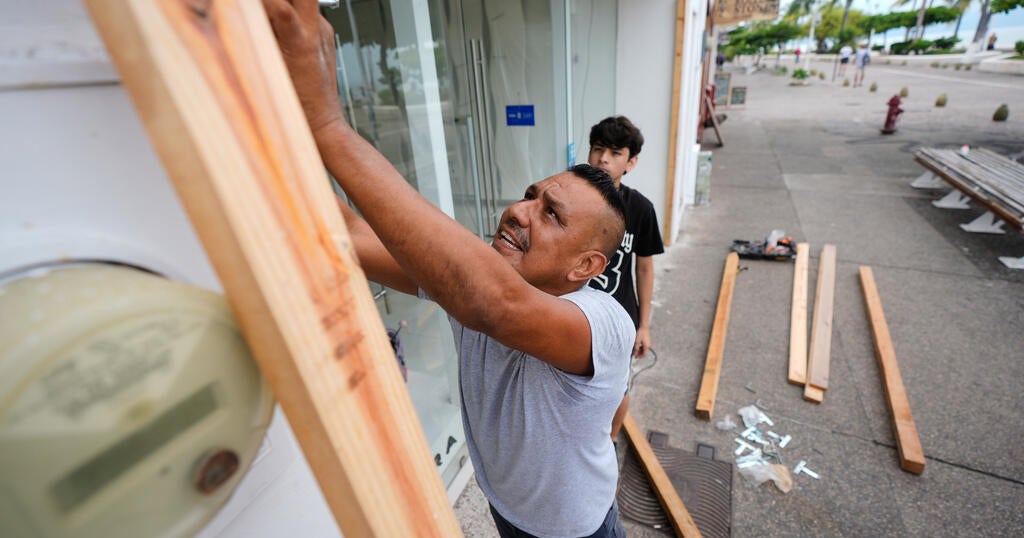
Powerful earthquake hits Mexico-Guatemala border, triggering temporary tsunami alert
A strong earthquake struck the southern Mexican Pacific coast on Friday, right on the border with Guatemala, and was felt from Mexico City to El Salvador. Authorities have not immediately reported any severe damage or casualties in any country and a tsunami alert issued w…
Intelligence analysis by Llama
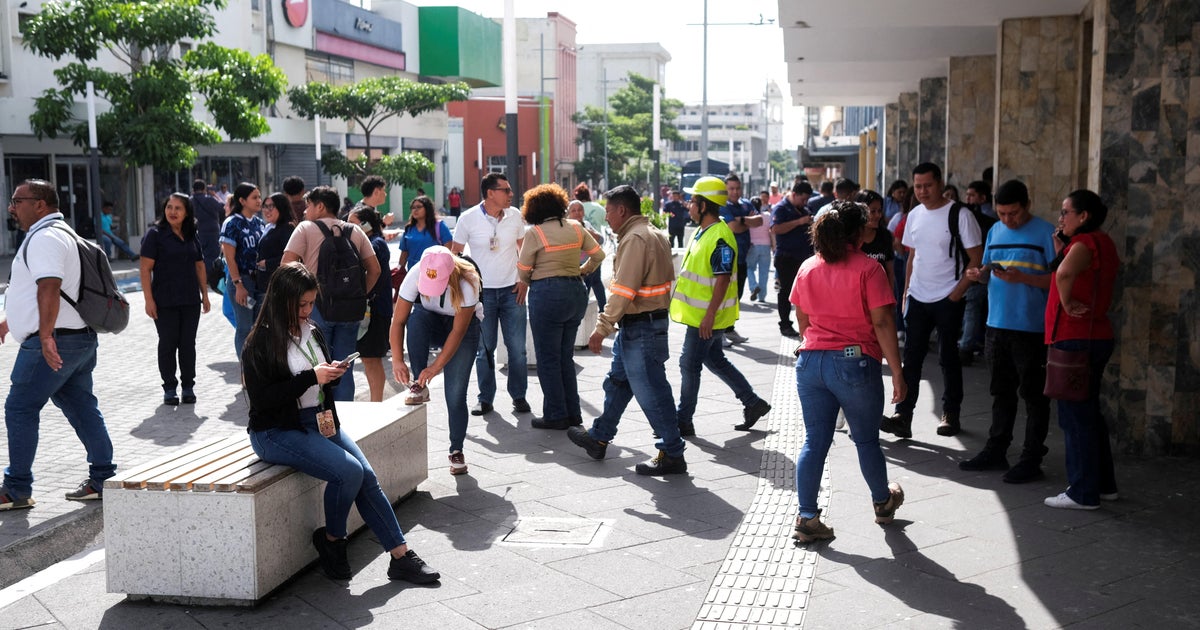
A 7.3-magnitude earthquake hit the Mexico-Guatemala border, triggering a temporary tsunami alert, but no severe damage or casualties have been reported.
Imagine you're living in a place where the ground is shaking and buildings are creaking. That's what happened when a big earthquake hit the Mexico-Guatemala border. It was so strong that it made a tsunami warning go off, but luckily, no one was hurt. Earthquakes are like big waves under the ground that can make a lot of damage. We need to be prepared for them and help the people who live in places that are prone to earthquakes.
Analysis
A Region Prone to Earthquakes
The earthquake that struck the Mexico-Guatemala border on Friday is a stark reminder of the region's vulnerability to seismic activity. The area has experienced several significant earthquakes in recent years, including a 7.1 magnitude quake in 2017 that killed hundreds in Mexico City. The region's geology makes it prone to earthquakes, and the recent tremors are a testament to this.
The Impact of the Quake
While the tsunami alert was lifted, the earthquake still had a significant impact on the region. Buildings in Mexico City creaked and shook, and residents in Guatemala City were frightened by the prolonged duration of the quake. The earthquake also highlighted the importance of disaster preparedness and response in the region.
A Region in Need of Support
The earthquake that struck the Mexico-Guatemala border is a reminder of the need for support and assistance in the region. The recent twin tremors in Venezuela, which killed over 4,800 people, are a stark reminder of the devastating impact of earthquakes on communities. The international community must come together to provide support and assistance to those affected by the earthquake and to help the region build resilience against future disasters.
Key points
- A 7.3-magnitude earthquake hit the Mexico-Guatemala border on Friday.
- The earthquake triggered a temporary tsunami alert, but no severe damage or casualties have been reported.
- The region is prone to earthquakes and has experienced several significant quakes in recent years.
- The earthquake highlights the importance of disaster preparedness and response in the region.
- The international community must come together to provide support and assistance to those affected by the earthquake.
If the development plays out positively, the region can learn from this experience and become more prepared for future earthquakes. This can lead to better disaster response and recovery efforts, ultimately saving lives and reducing the economic impact of such events.
The realistic downside risks or failure modes include the potential for significant damage and loss of life in the event of a more powerful earthquake. Additionally, the region's vulnerability to earthquakes can lead to long-term economic and social impacts, including displacement and trauma.