Preity Zinta defends Batwara 1947 after ‘women only cooked, cleaned’ comment sparks debate
Preity Zinta has responded to the reactions her comments sparked about her character in Rajkumar Santoshi's upcoming film Batwara 1947. She has urged critics to watch the film before judging her character or the director.
Intelligence analysis by Llama
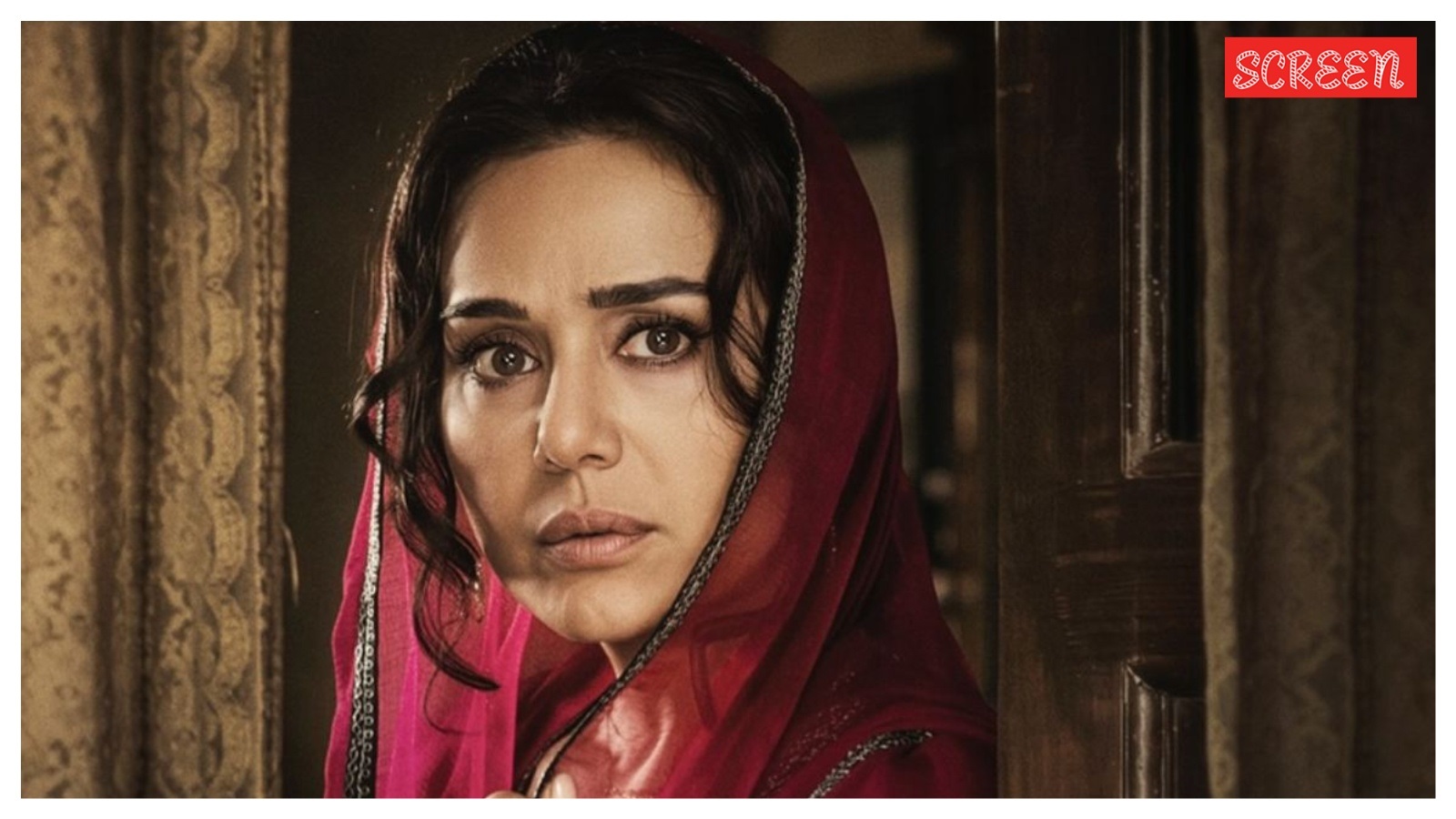
Preity Zinta has defended her character in Rajkumar Santoshi's upcoming film Batwara 1947, urging critics to watch the film before judging her character or the director. She had earlier spoken about her experience of working on the period drama and discussed her character in detail.
Preity Zinta is an actress who is starring in a new movie called Batwara 1947. She said that her character in the movie is a woman who cooks, cleans, and stitches, which is what women did a long time ago. Some people were upset with what she said, but she said that they should watch the movie before judging her or the director. It's like if someone said that you should only play with dolls because that's what girls do, but you know that you can play with lots of other things too.
Analysis
Preity Zinta's Response to the Debate
Preity Zinta has responded to the reactions her comments sparked about her character in Rajkumar Santoshi's upcoming film Batwara 1947. She has urged critics to watch the film before judging her character or the director. In an exclusive conversation with SCREEN, Preity had spoken about her experience of working on the period drama and discussed her character in detail.
The Context of the Film
Batwara 1947 is a period drama that deals with a particular family. Preity's character is a part of this family, and her role is to cook, clean, and stitch. The film is set in 1947, a time when women's roles were limited to being wives, mothers, and homemakers. Preity's character is a reflection of this era, and her comments about her experience of working on the film have sparked a debate about the portrayal of women in the film.
The Importance of Context
Preity's response highlights the importance of understanding the context of a film before making judgments. She has urged critics to watch the film before judging her character or the director. This is a crucial point, as many people have reacted to her comments without fully understanding the context of the film. By watching the film, viewers can gain a deeper understanding of Preity's character and the film's portrayal of women.
The Debate About Women's Roles
Preity's comments about her character have sparked a debate about the portrayal of women in the film. Some people have criticized the film for its portrayal of women, while others have defended it. Preity's response has added to this debate, highlighting the importance of understanding the context of the film. The debate about women's roles in the film is a complex one, and it requires a nuanced understanding of the era in which the film is set. By watching the film and understanding the context, viewers can gain a deeper understanding of the debate and the issues surrounding women's roles in the film.
Key points
- Preity Zinta has responded to the reactions her comments sparked about her character in Rajkumar Santoshi's upcoming film Batwara 1947.
- She has urged critics to watch the film before judging her character or the director.
- Preity's character in the film is a woman who cooks, cleans, and stitches, which is what women did a long time ago.
- The film is set in 1947, a time when women's roles were limited to being wives, mothers, and homemakers.
- Preity's comments about her experience of working on the film have sparked a debate about the portrayal of women in the film.
If Preity Zinta's film Batwara 1947 is successful, it could lead to a greater understanding of the roles of women in the past and how they have evolved over time. This could also lead to a more nuanced portrayal of women in films and a greater appreciation for the complexities of women's roles in society.
If Preity Zinta's film Batwara 1947 is not successful, it could lead to a negative perception of the film and its portrayal of women. This could also lead to a lack of understanding of the complexities of women's roles in society and a continued perpetuation of stereotypes.