President Donald Trump's Economy and the AI-Driven Stock Market Are in Trouble, Thanks to a Newly Identified Source of Inflation
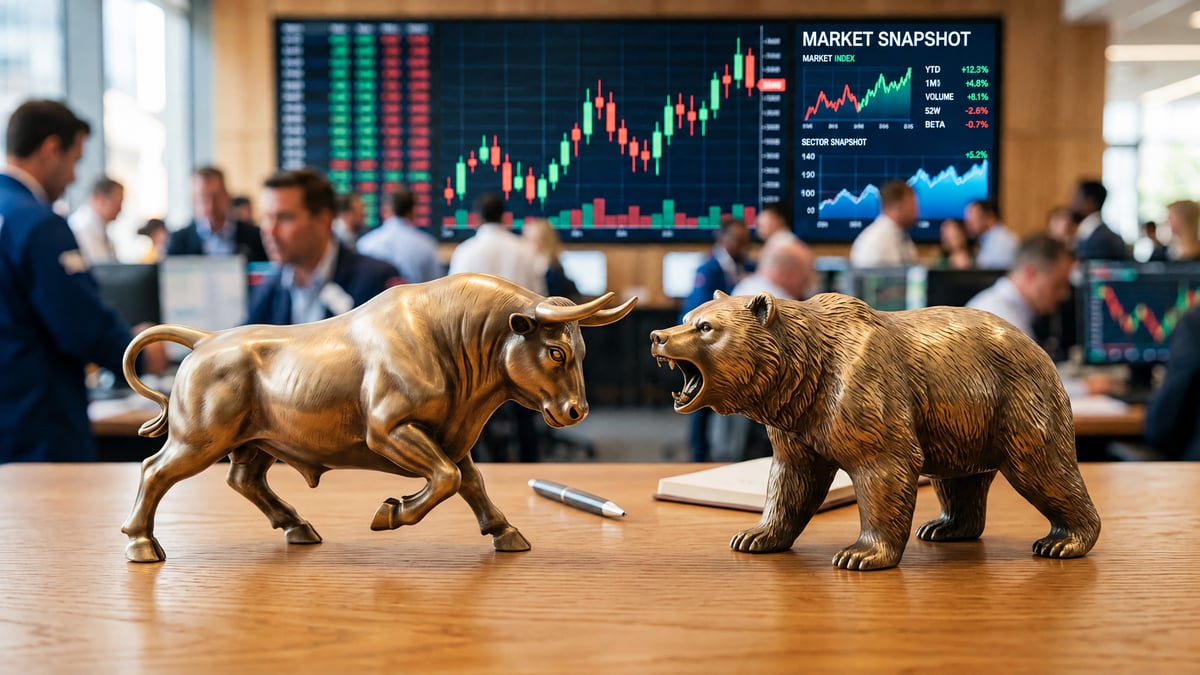
Despite significant stock market gains under President Trump, persistently elevated inflation, driven by his policies and a new Fed-identified source, now threatens both the economy and the AI-fueled bull market.
Intelligence analysis by Gemini 2.5 Flash
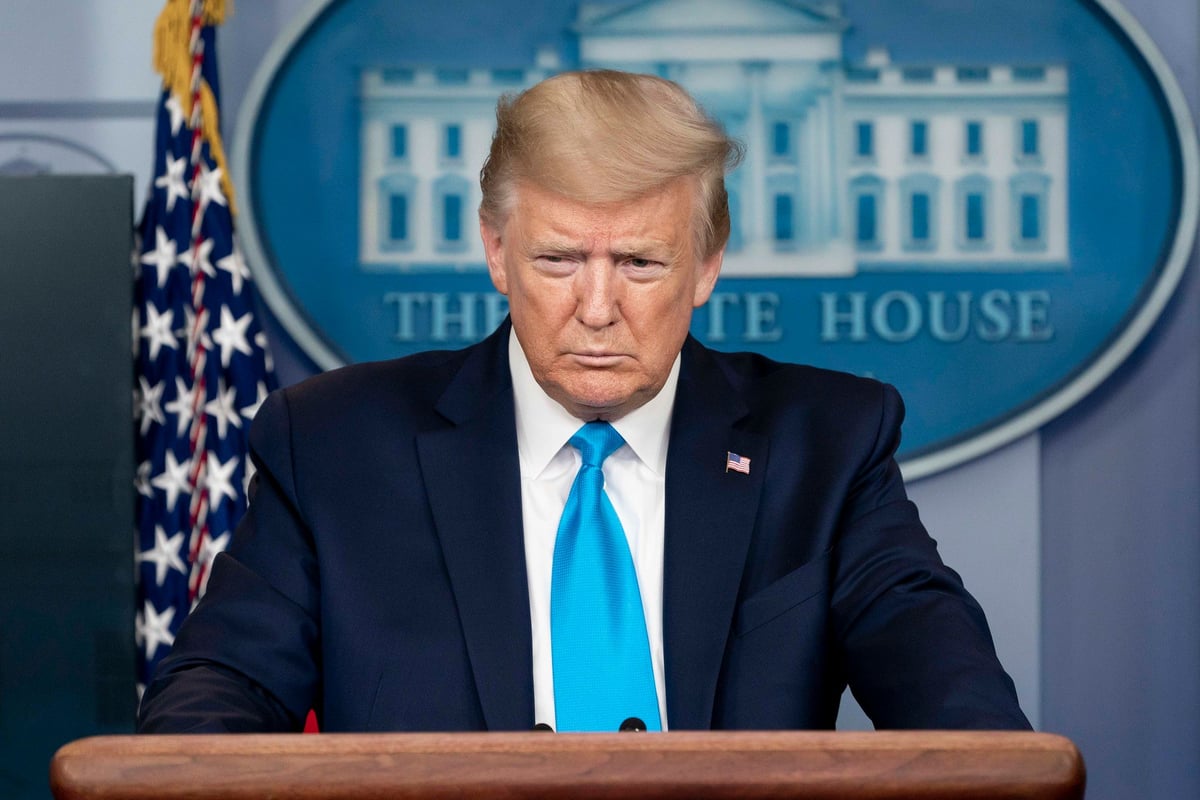
The article highlights that while the Dow, S&P 500, and Nasdaq Composite have seen substantial returns under President Trump, largely due to the AI revolution and corporate tax cuts, this growth is now imperiled. Elevated inflation, stemming from Trump's tariffs and the Iran war, combined with a newly identified inflationary pressure by the Federal Reserve, puts the central bank in a …
Imagine the stock market is like a big playground where toys (company shares) are traded. Under President Trump, many toys became super popular, especially the shiny new AI robots, making the playground very lively and prices go up a lot. But now, the cost of everything, like snacks and rides, is getting too high, partly because of special taxes on imported toys and a big fight over oil. The grown-ups in charge of the playground's money are worried about these rising costs and might have to make the toys less exciting by raising interest rates, which could make the playground less fun for everyone.
Analysis
The U.S. stock market has experienced remarkable growth under President Donald Trump, with the Dow Jones Industrial Average, S&P 500, and Nasdaq Composite achieving higher average returns than under most previous presidents since the late 1890s. This outperformance is attributed partly to the Tax Cuts and Jobs Act of 2017, which reduced the corporate income tax rate from 35% to 21%, leading to record share buybacks. However, the primary driver of Wall Street's gains has been the artificial intelligence (AI) revolution, particularly the ongoing AI data center build-out, which is seen as the largest addressable opportunity for investors.
Trumpflation
Despite these market successes, the article warns of significant trouble for both President Trump's economy and the AI-driven stock market due to persistently elevated inflation. This inflation is partly attributed to what the article terms "Trumpflation," which encompasses specific policy decisions made during his administration. One key factor is Donald Trump's tariff and trade policy, which has imposed sweeping global duties of 10% to 12.5% on over 80 countries since April 2025. A New York Federal Reserve report indicates that these tariffs contributed an estimated 2.9 percentage points to goods price inflation by February 2026, suggesting that goods prices would have otherwise fallen.
Another significant contributor to inflation identified is the Trump-led Iran war. The closure of the Strait of Hormuz, a critical global crude oil choke point, has caused the largest energy supply disruption in modern history, pushing diesel prices to an all-time high in September. The article notes that a slow but steady rise in Core Personal Consumption Expenditures (PCE), which excludes volatile food and energy costs, suggests that this war-driven inflation has permeated the broader economy through increased transportation and supply chain expenses, translating into higher consumer costs.
Federal Reserve
This complex inflationary environment has placed Fed Chair Kevin Warsh and the Federal Open Market Committee (FOMC) in a challenging predicament. The FOMC aims for a "timely return" to its 2% long-term inflation target, but the Personal Consumption Expenditures (PCE) gauge reached a three-year high of 4.1% in May 2026 and has continued to move in the wrong direction. The article emphasizes that Trumpflation is no longer the sole driver of this elevated inflation. Beginning in June and continuing through subsequent FOMC meetings, Fed Chair Warsh and his colleagues have identified a new, significant source of inflation.
This newly identified inflationary pressure, combined with the existing Trumpflation, creates a serious problem for the U.S. economy and the stock market. If the Federal Reserve decides to respond aggressively with interest rate hikes to combat this persistent inflation, it would likely spell the end of the four-year (and counting) bull market. The central bank's dilemma is balancing the need to control inflation with the risk of triggering a market downturn, highlighting the delicate economic tightrope policymakers are currently walking.
Key points
- The Dow, S&P 500, and Nasdaq Composite have seen significant gains under President Trump, partly due to AI and corporate tax cuts.
- Persistently elevated inflation is now a major threat to the economy and the AI-driven stock market.
- Trump's policies, including tariffs and the Iran war, are identified as key contributors to current inflation levels.
- The Federal Reserve has identified a new, additional source of inflation, complicating its policy decisions.
- Aggressive interest rate hikes by the Fed to combat inflation could lead to the end of the current bull market.
The persistently elevated inflation, driven by tariffs, the Iran war, and a new unidentified source, poses a significant threat to the U.S. economy. If the Federal Reserve responds with aggressive interest rate hikes, it could prematurely end the current four-year bull market, leading to a substantial market downturn.
Market signals
- ^GSPC Persistently elevated inflation and potential aggressive Fed rate hikes are identified as threats to the bull market, impacting broad market indices.
- ^DJI The article states that inflation and potential Fed action threaten the economy and stock market, including the Dow Jones Industrial Average.
- ^IXIC The tech-fueled Nasdaq Composite is explicitly mentioned as being in trouble due to inflation and the risk of Fed rate hikes.
- OIL The Trump-led Iran war and the closure of the Strait of Hormuz are cited as causing the largest energy supply disruption in modern history, pushing up oil prices.
AI-generated analysis of potential market relevance. Not financial advice.