President urges stakeholders to promote safe food practices
President Asif Ali Zardari called for stronger food safety compliance across the food chain to ensure safe, nutritious food for all.
Intelligence analysis by GPT-5.4 Mini
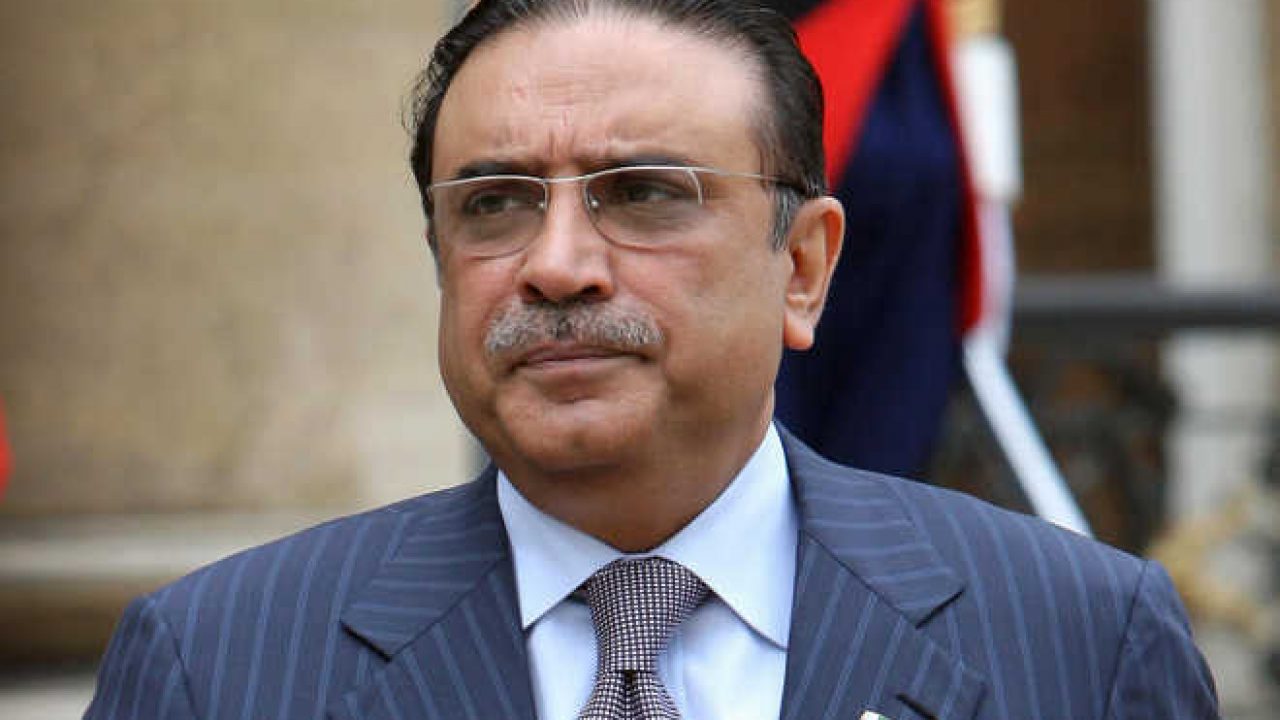
In a World Food Safety Day message, the president said food safety is tied to public health, consumer trust, livelihoods and economic growth. He urged coordinated action from regulators, producers and consumers, backed by science, traceability and better inspection systems.
The president said food should be checked carefully so people do not get sick. It is like making sure every step of a sandwich, from farm to table, is clean and safe.
Analysis
What the president said
President Asif Ali Zardari marked World Food Safety Day 2026 by urging all stakeholders to promote safe food practices and strengthen compliance with food safety standards across the food chain. He framed safe food as a public health issue, but also as a matter of food security, sustainable development and public trust.
The core message
The president said food safety affects everyday life because families expect the food they buy, eat out, or prepare at home to be safe. When standards are not maintained, the consequences can include illness, lost income, higher healthcare costs, and disruptions to school and work.
He said responsibility does not sit with one actor alone. Governments, regulators, producers, processors, transporters, retailers, food handlers and consumers all have a role in reducing risk and keeping food safe.
What he wants to see
Zardari emphasized science, transparency and internationally recognized standards. He pointed to stronger inspection systems, better laboratory capacity, traceability, surveillance mechanisms and hygiene practices as essential tools for reducing foodborne risks.
He also linked food safety to wider policy goals. According to the message, investment in food safety infrastructure, awareness campaigns and modern regulation can help build a more resilient food system while improving consumer protection and supporting trade.
Bigger picture
The statement places food safety within Pakistan's broader development agenda. It suggests that better safety controls are not just about avoiding illness, but about strengthening confidence in markets and improving the reliability of the food supply chain.
Key points
- President Asif Ali Zardari urged stronger safe-food practices across the entire food chain.
- He linked food safety to public health, food security, sustainable development and trust.
- The message highlighted science, transparency and evidence-based action.
- He said inspections, laboratory capacity, traceability and hygiene practices need improvement.
- The statement framed food safety as important for health, livelihoods and economic growth.
If the call leads to real action, Pakistan could see better checks on food quality, cleaner handling practices, and fewer foodborne illnesses. Stronger systems could also improve consumer trust and make the food chain more reliable for trade and daily life.
If the message is not matched by enforcement, food safety problems may continue at markets, restaurants and schools. Weak inspections, poor lab capacity and inconsistent hygiene practices could keep the risks and public costs in place.