Prithviraj Sukumaran on responsibilities of being a girl dad: ‘I’m at that uncomfortable stage…’
Malayalam actor Prithviraj Sukumaran discusses the challenges of raising an 11-year-old daughter in an imperfect world, emphasizing the need for open conversations about safety with both girls and boys.
Intelligence analysis by Gemini 2.5 Flash
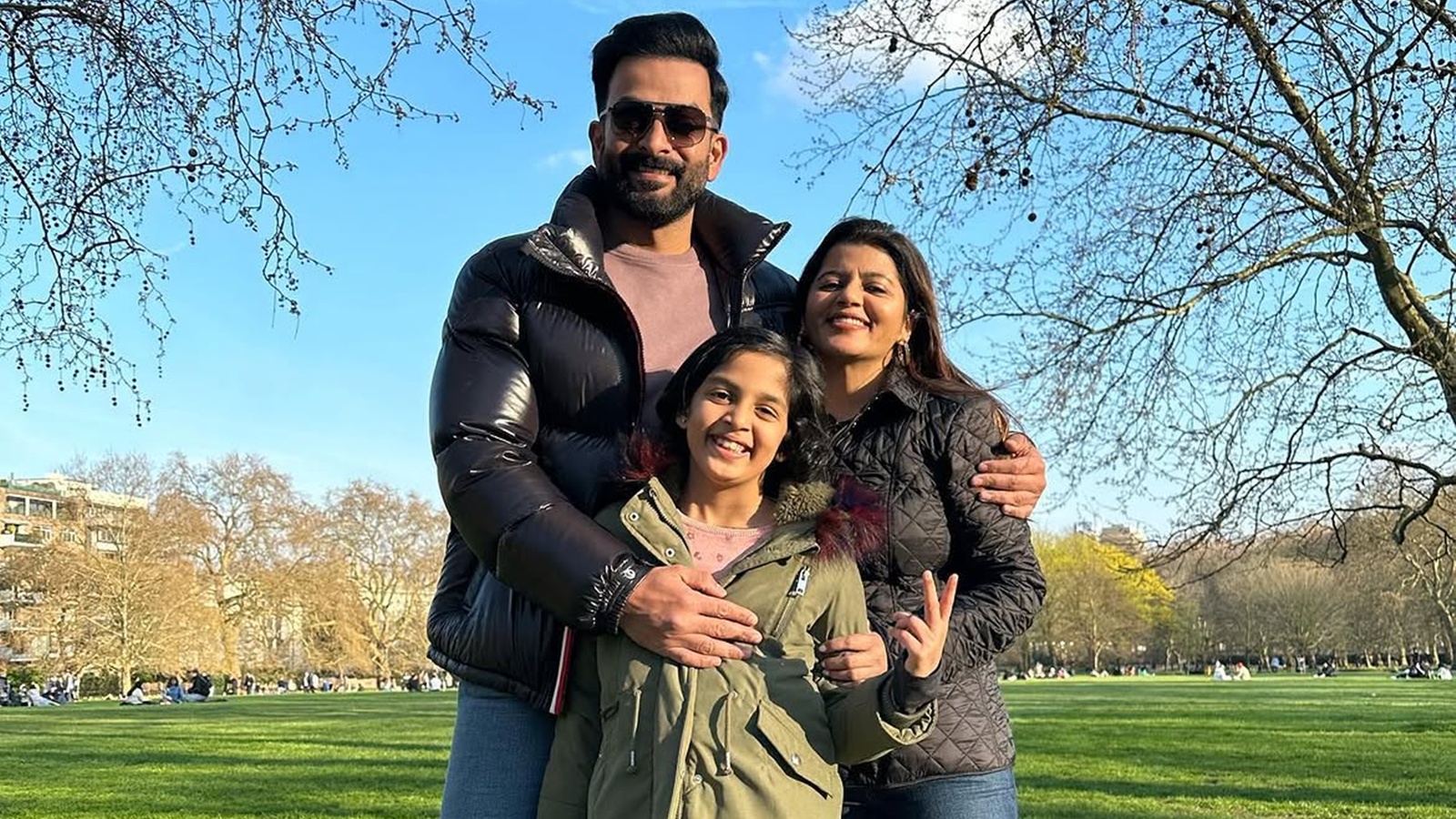
Actor Prithviraj Sukumaran shares his 'uncomfortable stage' as a father, needing to discuss safety with his daughter due to societal realities. He stresses that these crucial conversations about boundaries and consent must extend to boy children, placing an 'extra ounce of responsibility' on men.
Imagine you're learning to ride a bike. Your parents teach you how to steer, brake, and wear a helmet to stay safe. This story is about how a famous dad, Prithviraj, and a smart helper, Athul, say parents need to teach kids, both boys and girls, about staying safe in the world, like knowing what's okay and what's not okay with their bodies and friends. It's like learning the rules of the road for life, so everyone knows how to be respectful and safe, and kids know they can always talk to their parents if something feels wrong.
Analysis
The article delves into the profound shift in perspective experienced by actor Prithviraj Sukumaran since becoming a father, particularly concerning the safety of his 11-year-old daughter. His candid admission of being in an "uncomfortable stage" reflects a broader parental anxiety about navigating a world where ideal safety conditions are absent. Sukumaran's emphasis on the dual responsibility of educating both girl and boy children about safety is a significant departure from conventional narratives that often place the onus solely on girls. He articulates a powerful message that men bear an "extra ounce of responsibility" in fostering a safer environment, shifting the focus from victim-blaming to perpetrator accountability and proactive education.
Prithviraj Sukumaran
Prithviraj Sukumaran's personal reflection as a 'girl dad' serves as the emotional core of the article, grounding the discussion in a relatable parental experience. His acknowledgment of the non-ideal world underscores the necessity of difficult conversations, even when parents wish they weren't needed. This perspective is crucial as it comes from a public figure, potentially influencing a wider audience to consider their own roles in child safety education. By openly discussing his discomfort, Sukumaran normalizes the challenges parents face and encourages a more proactive, rather than reactive, approach to preparing children for the complexities of social interactions.
Athul Raj
Counselling psychologist Athul Raj provides expert insights, transforming the actor's personal anecdote into actionable advice for parents. Raj advocates for safety education as an ongoing dialogue within the parent-child relationship, rather than a rigid set of rules. He outlines a developmental approach, suggesting that conversations evolve from bodily autonomy for younger children to consent, peer pressure, and online safety for older ones. Crucially, Raj highlights the importance of a supportive parental response when a child discloses uncomfortable experiences, warning against reactions that might deter future disclosures. His advice emphasizes listening, reassurance, and creating a safe space for children to speak up without fear of blame.
Indian context
The article specifically addresses the nuances of safety education within the Indian context, where traditional advice often disproportionately focuses on restricting girls' movements, attire, and social interactions. Raj critically points out that while some precautions are necessary, this approach should not become a child's sole understanding of responsibility. He firmly states that a girl's carefulness does not absolve others of their responsibility, and the onus of boundary violation lies with the perpetrator. This perspective is vital for challenging deeply ingrained societal norms and fostering a culture where boys are equally educated on consent, empathy, and respecting personal space, thereby promoting a more equitable and safer environment for all children.
Key points
- Actor Prithviraj Sukumaran feels an increased responsibility as a 'girl dad' to discuss safety with his 11-year-old daughter.
- He stresses that safety conversations are crucial for both girl and boy children, with men bearing an 'extra ounce of responsibility'.
- Counselling psychologist Athul Raj advises making safety education an ongoing part of the parent-child relationship, adapting to the child's age.
- Raj highlights the importance of a supportive parental response to disclosures, avoiding anger or blame to encourage future communication.
- In the Indian context, safety advice for girls should move beyond restrictions on their behavior and focus on teaching boys about consent and respect.
If parents adopt the comprehensive safety education advocated, children could grow up with a stronger understanding of personal boundaries, consent, and respect. This proactive approach, involving both boys and girls, could lead to a more empathetic and safer society where instances of boundary violations are reduced and children feel empowered to speak up.
Despite increased awareness, deeply ingrained societal norms, particularly in the Indian context, might hinder the effective implementation of these conversations, leading to continued victim-blaming or a reluctance to educate boys adequately. Parents might struggle to have these difficult discussions, potentially leaving children unprepared or fearful.