Production, delivery of Iran's air defense sys. go on: IRGC
A senior officer of Iran's Islamic Revolution Guards Corps (IRGC) Aerospace Force says production and delivery of the country's air defense systems have continued without interruption after the 40-day US-Israeli aggression.
Intelligence analysis by Llama
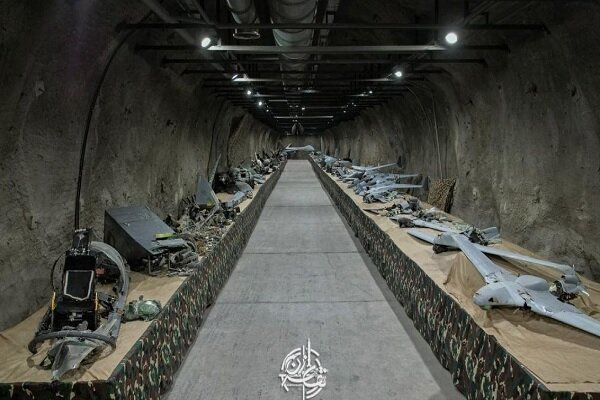
Iran's air defense systems have continued to be produced and delivered without interruption after the US-Israeli aggression, according to a senior IRGC officer. The officer confirmed the delivery of new air defense equipment following the war, particularly developments after the ceasefire between Tehran and Washington in June.
Iran's air defense systems are like a strong shield that protects the country from enemy attacks. Despite the US and Israel trying to disrupt Iran's defense capabilities, the country has been able to keep producing and delivering its air defense systems, which is a big deal for its national security.
Analysis
Production Infrastructure Preserved Despite War Efforts
Thanks to the measures taken before the war, more than 85 percent of the production infrastructure for air defense systems manufactured by the Aerospace Force's Self-Sufficiency Jihad Organization was preserved. This allowed for the continued production and delivery of air defense systems without interruption.
Increased Production Rate
The production rate of some of the equipment and missiles that were effective during the war has increased compared with before the start of the third imposed war. This increase in production rate is a significant development for Iran's air defense capabilities.
Deliveries to Operational Units
Deliveries to operational units had also increased compared with the period before the war. This increase in deliveries is a testament to the effectiveness of Iran's air defense systems and the country's ability to maintain and upgrade its defense capabilities.
Implications of Continued Production and Delivery
The continued production and delivery of Iran's air defense systems have significant implications for the country's national security and defense capabilities. It demonstrates Iran's ability to maintain and upgrade its defense capabilities despite ongoing aggression from the US and Israel. This development also highlights the importance of self-sufficiency in defense production and the need for countries to prioritize their national security and defense capabilities.
Key points
- Iran's air defense systems have continued to be produced and delivered without interruption after the US-Israeli aggression.
- The production rate of some of the equipment and missiles that were effective during the war has increased compared with before the start of the third imposed war.
- Deliveries to operational units had also increased compared with the period before the war.
- The continued production and delivery of Iran's air defense systems have significant implications for the country's national security and defense capabilities.
If this development continues, it could lead to a significant improvement in Iran's air defense capabilities, making it harder for the US and Israel to launch successful attacks. This could also lead to a decrease in tensions between Iran and its adversaries, creating a more stable regional environment.
However, if the US and Israel continue to escalate their aggression, it could lead to a further deterioration in Iran's air defense capabilities, making it more vulnerable to attacks. This could also lead to a increase in tensions between Iran and its adversaries, creating a more unstable regional environment.
Market signals
- Gold Escalation drives safe-haven demand for gold, per the article's framing of investor reaction.
AI-generated analysis of potential market relevance. Not financial advice.