Proposal to Name Two Streets in Beirut After Ziad Rahbani and Ahmed Kaabour in Honor of Their Artistic Legacy
Beirut Governor Marwan Abboud has submitted proposals to name streets in Ras Beirut and Ain Mreisse after the late artists Ziad Rahbani and Ahmed Kaabour, respectively, to honor their significant cultural and artistic contributions.
Intelligence analysis by Gemini 2.5 Flash
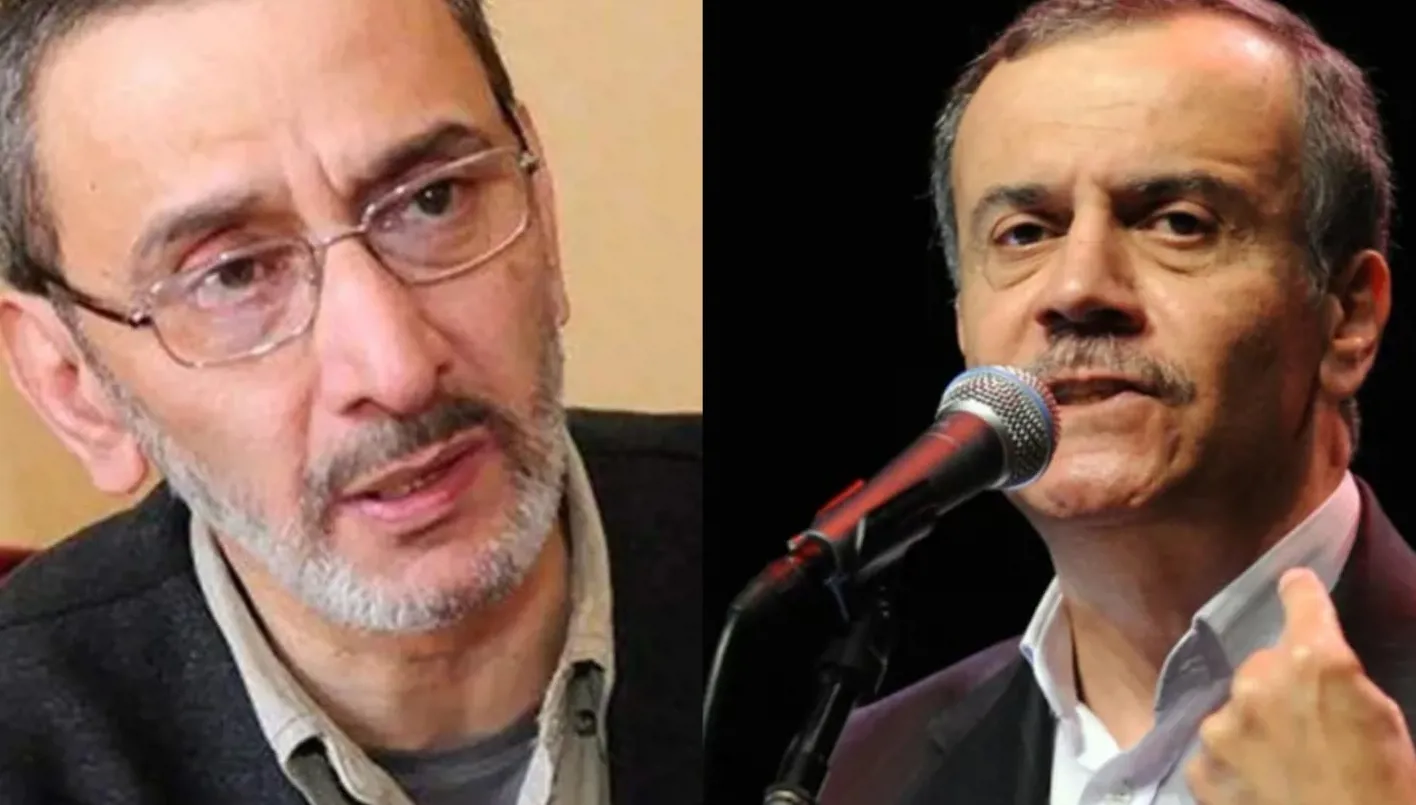
The initiative seeks to immortalize the legacies of two prominent Lebanese cultural figures, Ziad Rahbani and Ahmed Kaabour, by naming streets in Beirut after them. This move recognizes their profound impact on Lebanese music, theater, and national identity, with the proposals now awaiting approval from the Beirut Municipal Council.
Imagine two super talented artists, Ziad Rahbani and Ahmed Kaabour, who made amazing music and plays that everyone loved in Lebanon. Now, the city of Beirut wants to name two streets after them, like giving them a giant trophy, so everyone remembers their wonderful art forever!
Analysis
Ziad Rahbani's Enduring Influence
Ziad Rahbani, a towering figure in Lebanese arts, is celebrated for his exceptional creative output across music, theater, and writing. His pioneering works are noted for their innovative blend of authenticity and modernity, significantly revitalizing Lebanese music. Beyond his musical contributions, Rahbani's theatrical productions delved into profound social and political themes, offering critical commentary on Lebanese society. His collaborations, particularly his compositions for the legendary singer Fairouz, cemented his status as one of the most crucial symbols of culture and creativity in Lebanon and the wider Arab world. The proposal to name a street after him in Ras Beirut acknowledges his unique artistic vision and lasting impact on the region's cultural landscape.
Ahmed Kaabour's National and Humanistic Art
Ahmed Kaabour's name is intrinsically linked with the city of Beirut, where he cultivated a distinguished artistic and humanitarian legacy spanning over five decades. His work consistently championed human and national causes, enriching the artistic scene with timeless creations. Among his most iconic pieces is the song "Anadeekum," which resonates deeply with themes of resilience and national identity. Kaabour's contributions extended beyond music to include significant roles in theater, television, and cinema, often collaborating with an elite group of Lebanese artists. Naming a street in Ain Mreisse after him serves as a tribute to his extensive career and his unwavering commitment to expressing the soul of his nation through art.
Symbolism for Beirut's Cultural Identity
Beirut Governor Marwan Abboud emphasized that dedicating streets to these two artists is a gesture of loyalty to their creative journeys and a means of preserving their memory. This initiative is also seen as a vital step in safeguarding Lebanon's rich cultural heritage and reinforcing Beirut's esteemed position as a nurturing environment for creativity, thought, and the arts. The proposals, once approved by the Municipal Council, will not only honor individual legacies but also collectively affirm Beirut's identity as a vibrant cultural capital, inspiring future generations to continue this artistic tradition.
Key points
- Beirut Governor proposed naming streets after Ziad Rahbani and Ahmed Kaabour.
- One street in Ras Beirut for Ziad Rahbani, another in Ain Mreisse for Ahmed Kaabour.
- The initiative honors their significant artistic, cultural, and national contributions.
- Ziad Rahbani is celebrated for his innovative music, theater, and collaborations with Fairouz.
- Ahmed Kaabour is recognized for his five-decade legacy, embodying human and national causes, and iconic songs.
- The proposals await approval from the Beirut Municipal Council.
The naming of streets after these cultural icons could inspire future generations of Lebanese artists and reinforce Beirut's identity as a vibrant cultural capital, fostering a renewed appreciation for national heritage and artistic expression.
While symbolic, this initiative might be seen by some as a superficial gesture if not accompanied by broader support for the arts and cultural institutions in Lebanon, especially given the country's ongoing economic and political challenges.