Protein after illness: Who needs more and how to get enough
Adequate protein intake is crucial for recovery after illness, supporting tissue repair, muscle maintenance, and immune function, especially during prolonged infections or hospital stays.
Intelligence analysis by Gemini 2.5 Flash
During illness, the body often breaks down more muscle while appetite decreases, making it challenging to meet protein needs. Experts emphasize that sufficient protein provides essential building blocks for recovery, helping to limit muscle loss and regain strength, though it's just one component of a holistic recovery plan.
When you're sick, your body works extra hard to get better, like a superhero fixing a damaged building. Protein is like the special bricks and cement your body needs to rebuild itself, especially your muscles and other parts that get tired or damaged. Eating enough protein helps your body fix things faster and get strong again, just like giving the superhero all the tools they need.
Analysis
Dr Saurabh Juneja
Dr. Saurabh Juneja, Director & HOD, CTVS, Cardiac Sciences, ISIC Multispeciality Hospital, confirms the critical role of protein in supporting recovery from illness. He explains that protein supplies the necessary building blocks for repairing damaged tissues, sustaining muscle strength, and bolstering the immune system, all of which are compromised during periods of sickness.
During an illness, individuals often experience reduced appetite, while the body simultaneously increases the breakdown of muscle protein, particularly during extended infections or hospitalizations. Dr. Juneja highlights that adequate protein intake can counteract this muscle loss, facilitating a quicker return to strength and physical function. However, he also clarifies that protein is not a standalone solution, stressing the importance of a comprehensive recovery approach that includes sufficient calories, fluids, sleep, appropriate medical treatment, and gradual physical activity.
Older Adults
Certain demographics, such as older adults, are particularly vulnerable to inadequate protein intake during recovery. Dr. Juneja points out that older individuals tend to lose muscle mass more readily during periods of inactivity or illness, making their protein needs even more pronounced. This demographic, along with those who have experienced unintentional weight or muscle loss, have poor appetites, or are recovering from severe or prolonged illnesses, must pay closer attention to their protein consumption.
For these groups, ensuring sufficient protein becomes especially important to mitigate significant muscle loss and weakness often associated with extended hospital stays or severe infections. The article underscores that while increased protein is beneficial, the specific amount should be tailored to the individual's nutritional status, the nature of their illness, and any existing medical conditions, necessitating professional guidance.
0.8 g/kg/day
While a general guideline for healthy adults suggests around 0.8 grams of protein per kilogram of body weight per day, this requirement often increases significantly during illness. Dr. Juneja indicates that for older adults recovering from sickness, a higher intake of approximately 1.2–1.5 g/kg/day may be recommended to support their recovery and combat muscle wasting.
Individuals with severe illness or malnutrition might require even higher, specialized amounts under direct medical supervision. It is crucial to note that simply increasing protein intake is not universally beneficial, especially for those with pre-existing conditions like kidney disease, where excessive protein could be detrimental. Therefore, personalized dietary advice from a doctor or dietitian is essential to determine appropriate protein levels and consider nutritional supplements if appetite remains poor.
Key points
- Protein is essential for tissue repair, muscle maintenance, and immune system support during illness recovery.
- Illness, fever, and inflammation can increase protein breakdown while simultaneously reducing appetite.
- Older adults, those with weight loss, or severe illness may require higher protein intake, potentially 1.2–1.5 g/kg/day.
- Protein needs are individualized and should be discussed with a doctor, especially for those with kidney disease.
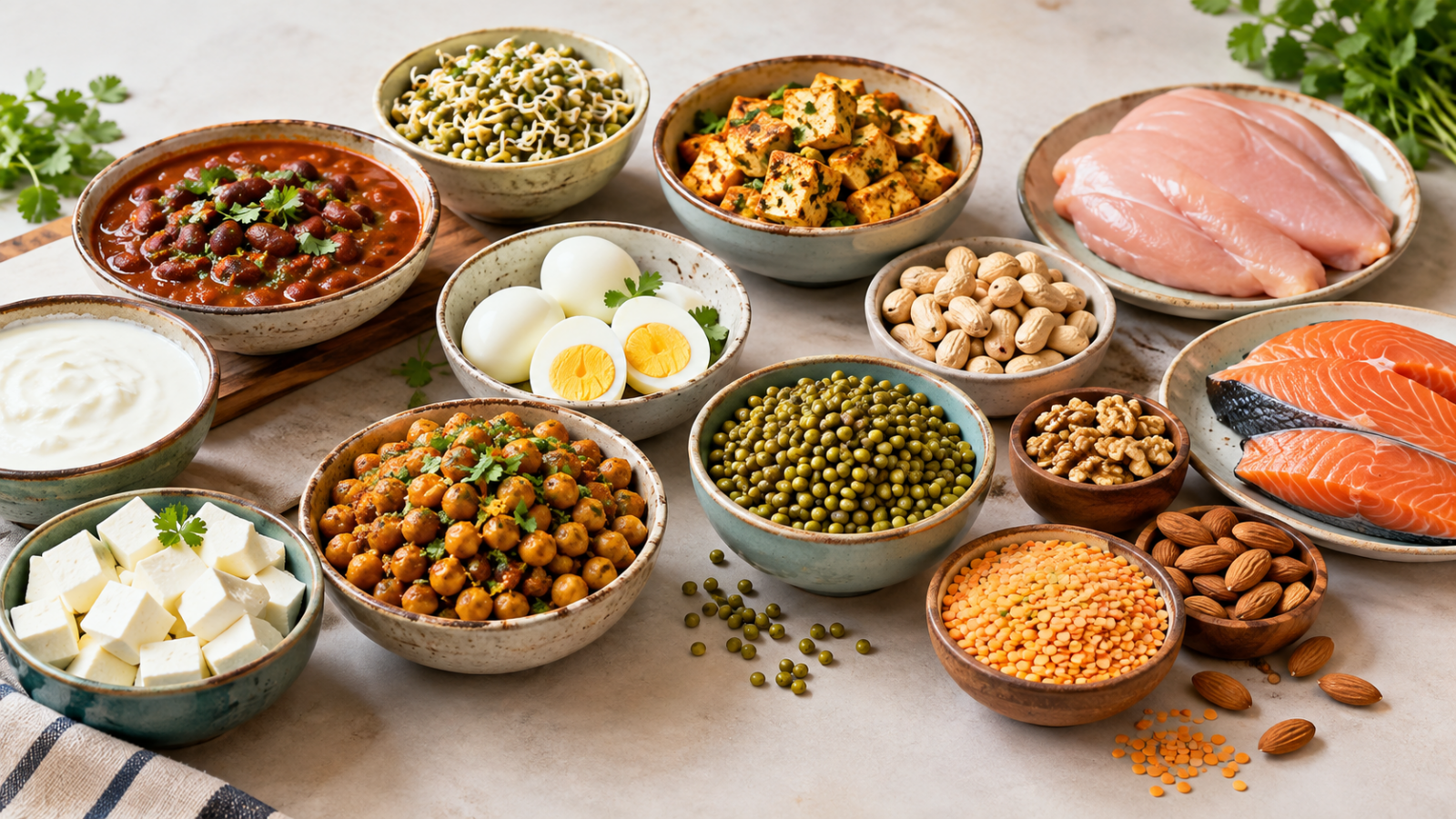
- When appetite is poor, smaller, frequent meals of protein-rich foods like eggs, dairy, lean meats, or legumes are recommended.
With proper attention to protein intake, individuals can significantly enhance their body's ability to repair tissues, maintain muscle mass, and strengthen their immune system, leading to a faster and more complete recovery from illness. This proactive approach can prevent prolonged weakness and improve overall quality of life post-sickness.
Insufficient protein intake during illness can lead to significant muscle loss, prolonged weakness, and a compromised immune system, delaying recovery and potentially exacerbating existing health issues. This can result in a longer period of physical impairment and increased vulnerability to further complications.