PSLE stress management: Find out root causes and listen to your child
Managing PSLE stress requires understanding its diverse origins, from academic pressure to time management, and implementing personalized solutions with strong family support.
Intelligence analysis by Gemini 2.5 Flash
The article emphasizes that effective PSLE stress management involves identifying the root causes of a child's anxiety, advocating for open communication and emotional support from parents over solely academic fixes. It also suggests practical tools and hobbies to help students balance studies and relaxation, promoting a holistic approach to well-being during examination periods.
Imagine a big test called PSLE is coming up, and some kids feel super worried, like a tiny ant trying to carry a giant crumb. This article says parents should listen to their kids to find out *why* they're worried, maybe it's schoolwork or friends. Instead of just adding more homework, parents should give hugs and help kids find fun things to do, like reading or playing, so they feel happy and ready for the test.
Analysis
Miyahara Karin's Experience
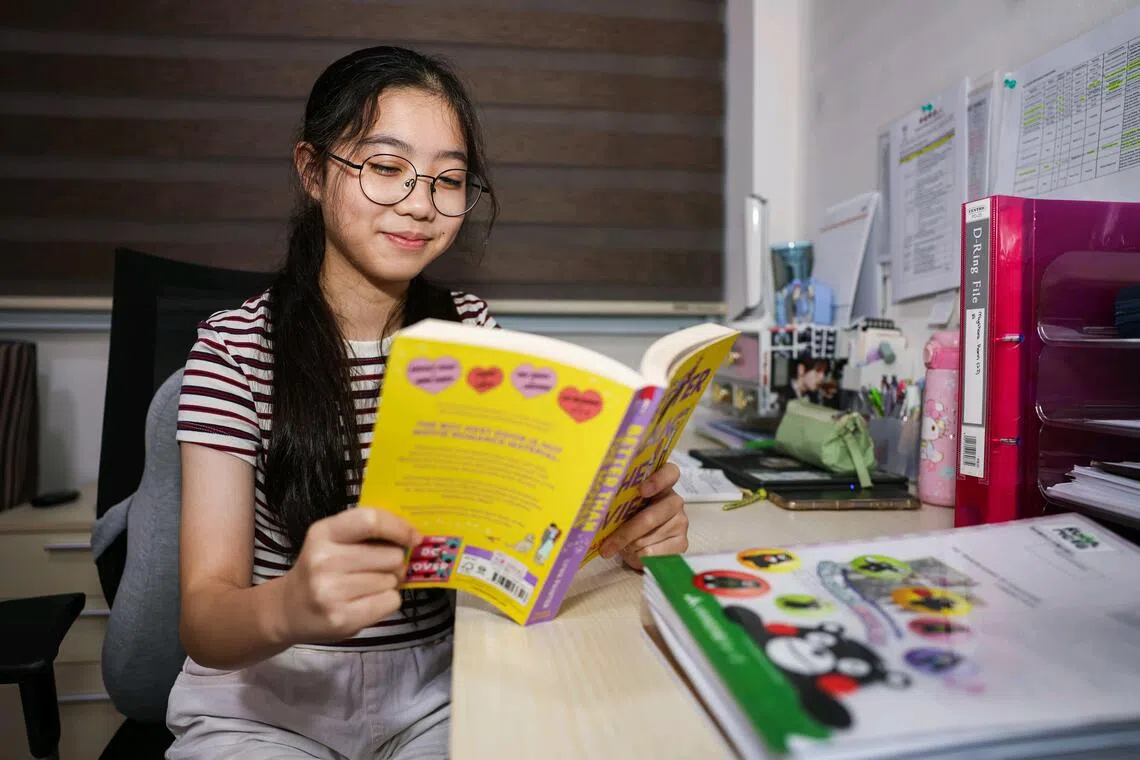
The article introduces Miyahara Karin, a 12-year-old student from Chung Cheng High School (Yishun), who began experiencing PSLE-related stress in 2024. Her journey highlights a common challenge faced by many students in Singapore as they approach this pivotal examination. Karin's initial motivation to improve her English oral and composition skills through reading evolved into a genuine love for books, suggesting that engaging activities can inadvertently alleviate academic pressure.
This personal anecdote underscores the importance of finding intrinsic motivation and balancing academic pursuits with personal interests. While the pressure to perform in the PSLE is immense, Karin's story illustrates how a child's natural curiosity and engagement in hobbies can contribute positively to their overall well-being and even indirectly support their academic development. It serves as a reminder that learning extends beyond textbooks and structured lessons.
PSLE Companion Resources
The article references the "PSLE Companion microsite," indicating a broader effort to provide resources and insights for parents and students navigating the PSLE journey. Such platforms are vital in offering structured advice and practical tools for stress management, which is a significant concern for many families. The existence of dedicated resources like this acknowledges the systemic nature of PSLE stress within Singapore's education landscape.
These resources often compile expert advice, practical tips, and personal stories, aiming to equip parents and students with strategies to cope with academic demands. They can serve as a central hub for information on topics ranging from study techniques and time management to emotional support and mental well-being. The emphasis on finding root causes and personalized approaches suggests that the "PSLE Companion" likely promotes a holistic view of student development, moving beyond a sole focus on academic outcomes.
Parental Support Strategies
A core message of the article is the critical role parents play in managing their child's PSLE stress. It advises parents to focus on providing emotional support and to avoid the common pitfall of viewing extra tuition as a quick fix for all academic anxieties. This perspective encourages a shift from purely academic interventions to a more nurturing and understanding approach, recognizing the emotional toll examinations can take on young minds.
Open communication is highlighted as a key strategy, enabling parents to identify and address their child's specific stress factors effectively. By actively listening and engaging in dialogue, parents can uncover underlying issues such as peer pressure, self-doubt, or difficulties with particular subjects, which might not be apparent otherwise. This proactive and empathetic engagement fosters a supportive home environment, crucial for a child's resilience during high-stakes examination periods.
Key points
- PSLE stress can stem from various causes, including parental and peer pressure, study challenges, and time management issues.
- Effective stress management requires personalized approaches and strong emotional support from family and mentors.
- Practical tools like countdown clocks and to-do lists, alongside hobbies, help students stay organized and refreshed.
- Parents should prioritize emotional support and open communication to identify and address their child's specific stress factors.
- Avoid viewing extra tuition as the sole or quick-fix solution for managing academic stress.
If parents and students adopt the recommended strategies, students could experience reduced stress, improved mental well-being, and potentially enhanced academic performance. A balanced approach to studies and personal time can foster resilience and a healthier outlook on academic challenges.
Without proper stress management and parental support, students might face increased anxiety, burnout, and underperformance during the PSLE. This could lead to negative long-term impacts on their emotional health and academic confidence.