PSX KSE-100 Index Extends Recovery Rally with 610-Point Gain
The Pakistan Stock Exchange's KSE-100 index extended its recovery rally for a second consecutive session, gaining 610.38 points to close at 177,382.57, driven by selective buying in heavyweight stocks across key sectors.
Intelligence analysis by Gemini 2.5 Flash
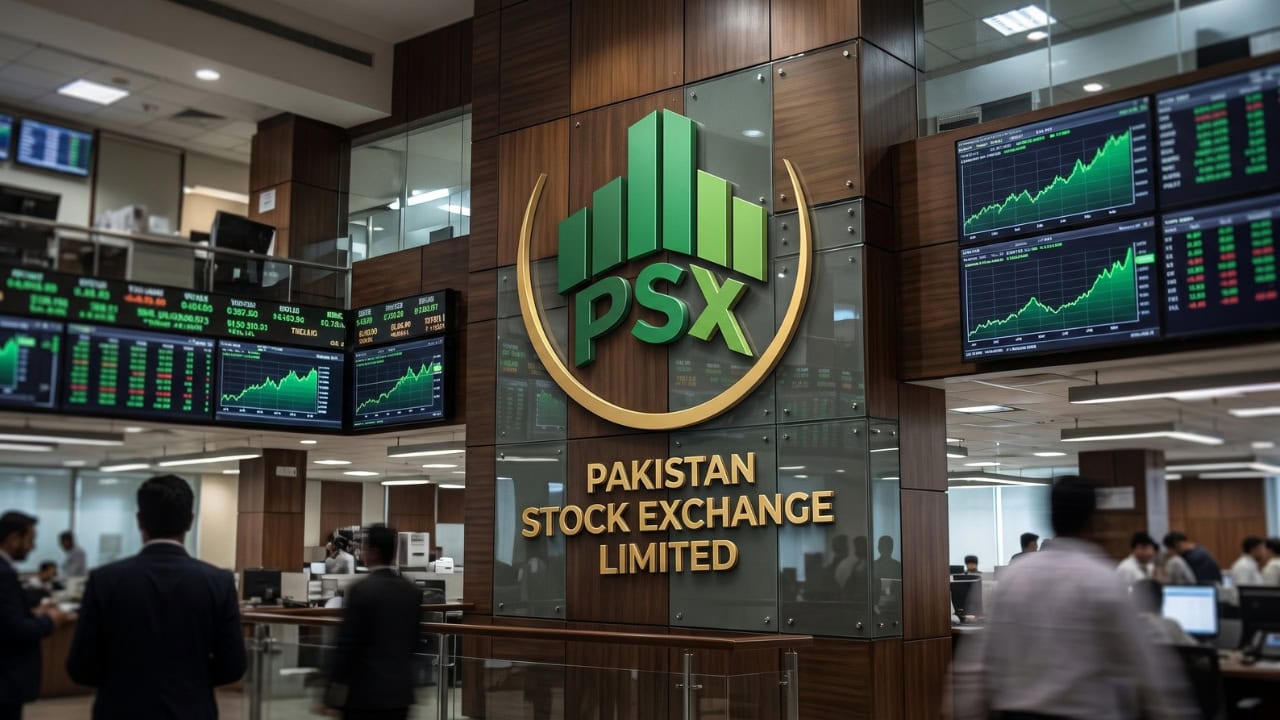
Despite an initial bearish opening and lingering investor caution due to domestic political uncertainty and geopolitical concerns, the KSE-100 index staged a strong recovery. Investors engaged in cherry-picking in sectors like fertilizer, power, banking, and cement, trimming the index's week-on-week loss and demonstrating resilience against broader global equity declines.
Imagine a big scoreboard for all the companies in Pakistan, called the KSE-100. Today, that scoreboard went up by a good amount, like when your favorite team scores a lot of points, even after a shaky start. This happened because many people decided to buy shares in some of the biggest and strongest companies, even though there were worries about the country and the world. It's like picking the best players to make your team stronger, even if the overall game is a bit tough.
Analysis
The recent performance of the Pakistan Stock Exchange's KSE-100 index highlights a nuanced market dynamic, where underlying strength in specific sectors is driving recovery despite broader cautionary sentiments. The 610.38-point gain, pushing the index to 177,382.57, marks a significant rebound from an intraday low, indicating that institutional and individual investors are actively seeking value. This selective buying, particularly in heavyweight stocks across the fertilizer, power, banking, and cement sectors, suggests a strategic approach to investment rather than a broad-based speculative rally. The market's ability to trim its week-on-week loss to a mere 0.28% further underscores its relative resilience, especially when juxtaposed against a backdrop of global equity declines.
KSE-100
The KSE-100 index's rally, while robust, is framed within a context of ongoing volatility and technical resistance. Analysts anticipate the index will fluctuate between 176,000 and 180,000, with the latter serving as a strong resistance level. This technical outlook suggests that while the market has found support, breaking significantly higher will require sustained positive catalysts. The article notes that the index delivered a relatively resilient performance compared to global equity markets, which faced broader declines. This resilience can be attributed to the targeted buying in fundamentally strong stocks, a strategy market experts continue to recommend, particularly in the energy and fertilizer sectors.
Despite the positive close, investor participation was relatively subdued, with trading volume declining by over 100 million shares compared to the previous session. This indicates that while significant gains were made, they were concentrated in specific high-value transactions rather than a widespread surge in trading activity. The market breadth, with 56 stocks rising against 41 falling within the KSE-100, was positive, but the broader exchange saw more declines than advances among active companies. This disparity suggests that while the benchmark index performed well, a significant portion of the market experienced downward pressure, reflecting the selective nature of the rally.
PKR 22.5 billion
The total traded value, rounded to PKR 22.5 billion or PKR 22.6 billion, reflects substantial capital movement concentrated in a few key players. Five heavyweight stocks were instrumental in driving the index's gains, cumulatively adding 904 points. Engro Holdings, Hub Power, United Bank, National Bank, and Maple Leaf Cement Factory were identified as the primary contributors to this upward momentum. Engro Holdings alone topped the traded value chart with PKR 3.25 billion, highlighting its central role in the day's trading. This concentration of value in a few large-cap companies suggests that institutional investors and high-net-worth individuals are likely driving these specific movements, focusing on established entities with strong fundamentals.
Conversely, profit-taking was observed in other significant stocks, including Pakistan Services, Systems Ltd, Engro Fertiliser, Mari Energies, and MCB Bank, which collectively eroded 248 points from the index. This indicates a healthy market mechanism where investors are locking in gains, preventing an overheated rally and contributing to the overall volatility. The activity of foreign investors, who sold shares worth PKR 154.7 million ($0.56 million), further underscores the mixed sentiment, although this was largely offset by significant purchases from local banks, totaling $2.84 million. This dynamic interplay between foreign outflows and domestic inflows is a characteristic feature of emerging markets like Pakistan, where local institutions often play a crucial role in stabilizing the market.
Eastern Offshore Indus-C Block
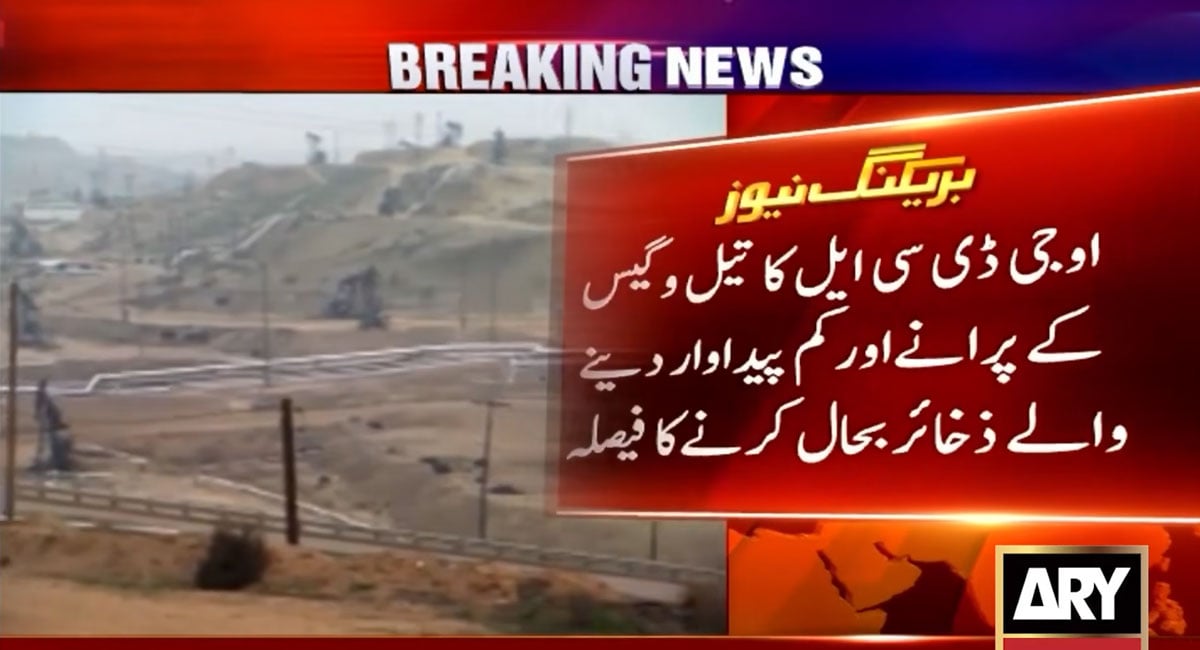
Beyond the daily market movements, significant corporate developments are shaping the long-term outlook for Pakistan's energy sector. The planned offshore drilling joint venture in the Eastern Offshore Indus-C Block in 2027, involving Pakistan Petroleum, Turkish Petroleum Overseas, Oil & Gas Development Company, and Mari Energies, represents a substantial investment in the country's energy independence. This initiative follows the award of 23 offshore blocks in the previous year, signaling a concerted effort to explore and exploit domestic hydrocarbon resources. Such large-scale projects have the potential to attract significant foreign direct investment and reduce Pakistan's reliance on imported energy, thereby improving its balance of payments and strengthening its economic fundamentals.
On the macroeconomic front, several indicators provide a mixed but generally improving picture. The Sensitive Price Index (SPI) saw a week-on-week decline of 0.65%, suggesting easing short-term inflationary pressures, partly due to falling petroleum prices. Furthermore, Pakistan posted a current account surplus of $39 million in October 2026, a sharp improvement from the $371 million deficit in September. This shift from deficit to surplus is a critical positive development for the country's external accounts, indicating better management of trade and financial flows. The Real Effective Exchange Rate (REER) also climbed to 110.62 in October, up from 108.89 in September, reflecting an appreciation of the Pakistani Rupee's real value, which can influence trade competitiveness and investor confidence.
Key points
- The PSX KSE-100 index gained 610.38 points, closing at 177,382.57, extending its recovery rally.
- Selective buying in heavyweight stocks across fertilizer, power, banking, and cement sectors drove the gains.
- The index's week-on-week loss was trimmed to 0.28% despite profit-taking and geopolitical concerns.
- Pakistan recorded a current account surplus of $39 million in October 2026, a significant improvement from the previous month's deficit.
- A joint venture for offshore drilling in the Eastern Offshore Indus-C Block is planned for 2027, involving major energy companies.
The KSE-100 index's extended recovery rally, coupled with a week-on-week decline in the Sensitive Price Index and a current account surplus, suggests improving economic stability. Continued selective buying in fundamentally strong sectors could sustain this positive momentum, attracting further investment and bolstering market confidence.
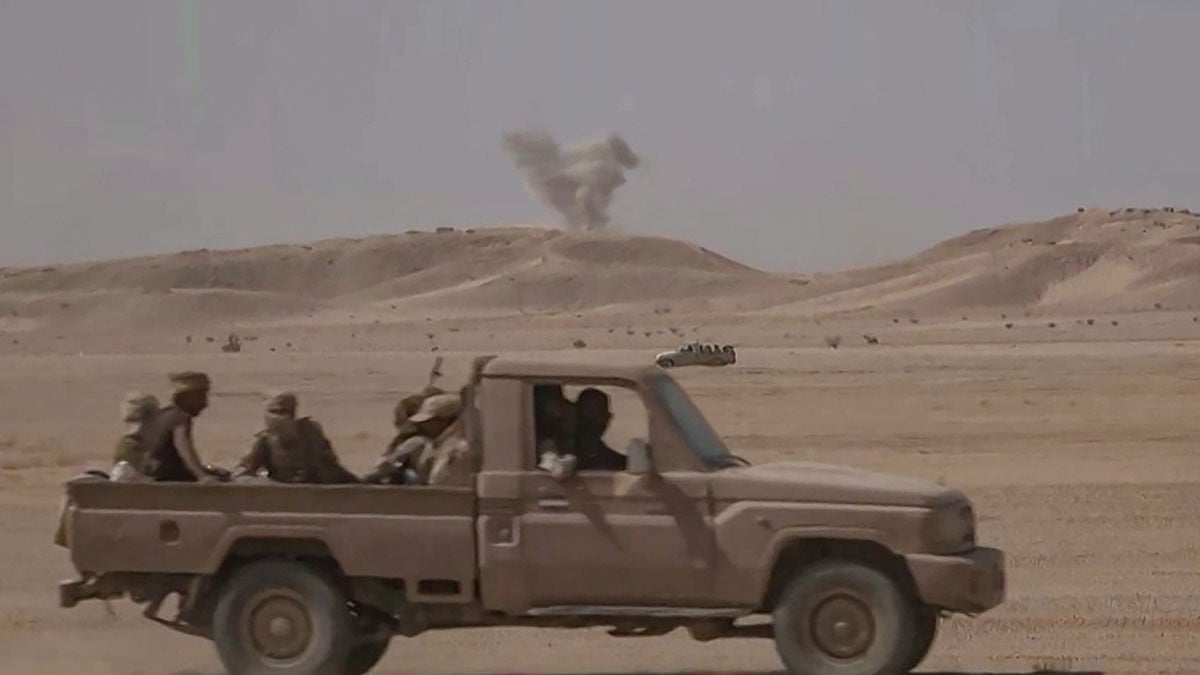
Lingering investor caution, domestic political uncertainty, and global geopolitical concerns, particularly around international oil prices and the Strait of Hormuz, pose significant downside risks. The index faces strong resistance at 180,000 points, and any escalation of these external factors could trigger profit-taking and reverse recent gains.
Market signals
- KSE100 The article reports a significant 610-point gain for the KSE-100 index, extending its recovery rally for a second consecutive session.
- OIL Geopolitical concerns, including headlines involving the Houthis and the Strait of Hormuz, are cited as keeping international oil prices high at $92 to $93.
AI-generated analysis of potential market relevance. Not financial advice.