Pub chain Fuller’s hopes for bumper summer of World Cup and staycations
Fuller’s expects the World Cup and a surge in staycations to boost its busiest summer period. Strong results and a property revaluation lifted its shares.
Intelligence analysis by GPT-5.4 Mini
The pub and hotel group says late World Cup kickoffs should avoid clashing with normal daytime trading, while higher domestic tourism is filling pubs, hotels and inns. That demand, plus a big property valuation uplift, helped push the shares higher.
Fuller’s is betting that late-night football games and more people holidaying at home will fill its pubs and hotels this summer. It is like a shop expecting a busy season because the big parade starts after school is over, not during class.
Analysis
Summer demand drivers
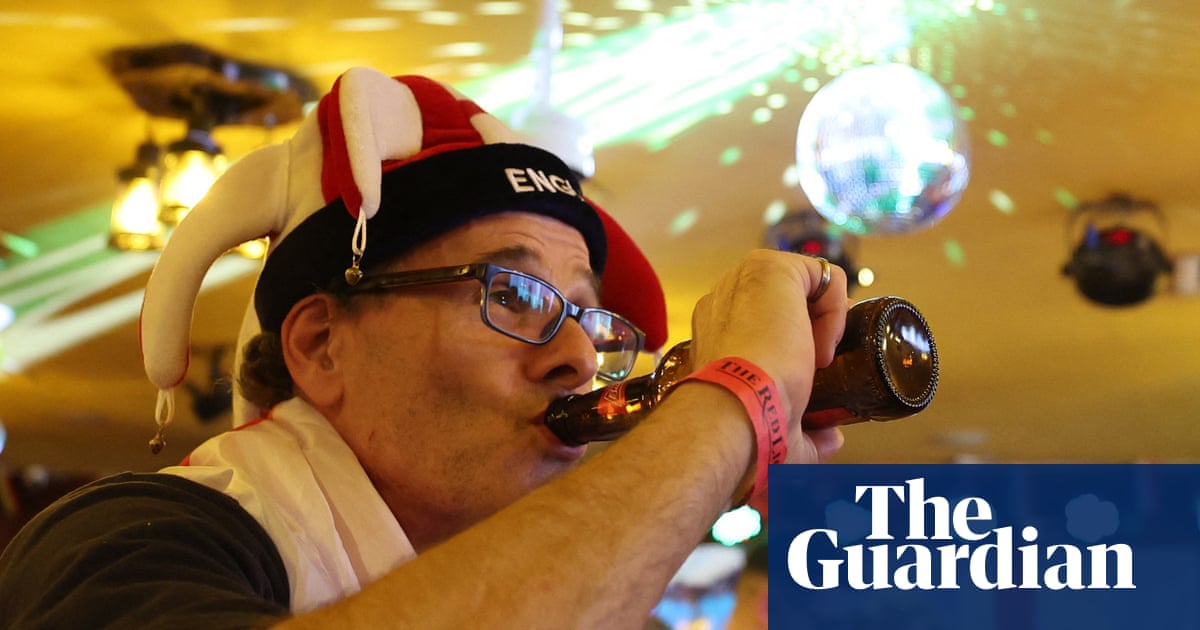
Fuller’s says this summer could be unusually strong because England’s World Cup group matches are scheduled for 9pm or 10pm BST. Chief executive Simon Emeny said those late kickoffs are less likely to cannibalise normal daytime summer trade, unlike earlier games that can pull customers away from pubs during the day.
The company has been preparing for the tournament across its estate of 337 pubs, hotels and inns, including sprucing up garden areas to handle more outdoor trade. It is also counting on a broader rise in domestic tourism. According to Emeny, more UK customers are choosing staycations and short trips inside the country rather than foreign holidays, partly because overseas travel has become more expensive.
Trading and valuation
Fuller’s reported revenue of £398m for the year to the end of March, up 5.7%, while adjusted profit before tax rose 28% to £34.6m. That stronger trading helped lift the share price by as much as 10% in early trading.
The company also revalued its property portfolio at £991m, which is almost £400m above its current book value. That matters because Fuller’s owns a large amount of bricks and mortar, and the market may be underestimating that asset base.
What management is saying
Emeny said the chain continues to benefit from higher-income customers, especially households earning more than £75,000, who are still spending on going out despite the cost-of-living squeeze. The company is positioning itself around food, drink and accommodation rather than just drinks sales, hoping that a strong summer event calendar and domestic travel demand will keep customers coming through the doors.
Key points
- Fuller’s says late World Cup kickoffs should help, not hurt, normal summer pub trade.
- The chain has been preparing its 337 pubs, hotels and inns for a busy season, including garden areas.
- The company says domestic tourism and staycations are rising as foreign travel gets more expensive.
- Revenue rose 5.7% to £398m and adjusted profit before tax rose 28% to £34.6m.
- Fuller’s also valued its property portfolio at £991m, well above its book value.
If England stays in the tournament and late kickoffs draw fans out in the evening, Fuller’s could see a very strong summer trading period. Added domestic tourism could support both pub visits and hotel stays across its London and south-east sites.
If England exits early or if fans choose to watch at home, the World Cup boost may be smaller than hoped. The staycation trend could also ease if overseas travel becomes more attractive or if consumer spending softens further.