Punjab Launches Anti-Smog Operation Against Major Sources of Pollution
Punjab's Environment Protection Agency (EPA) has initiated a province-wide anti-smog operation, targeting major polluters like brick kilns, industries, and construction sites ahead of winter.
Intelligence analysis by Gemini 2.5 Flash
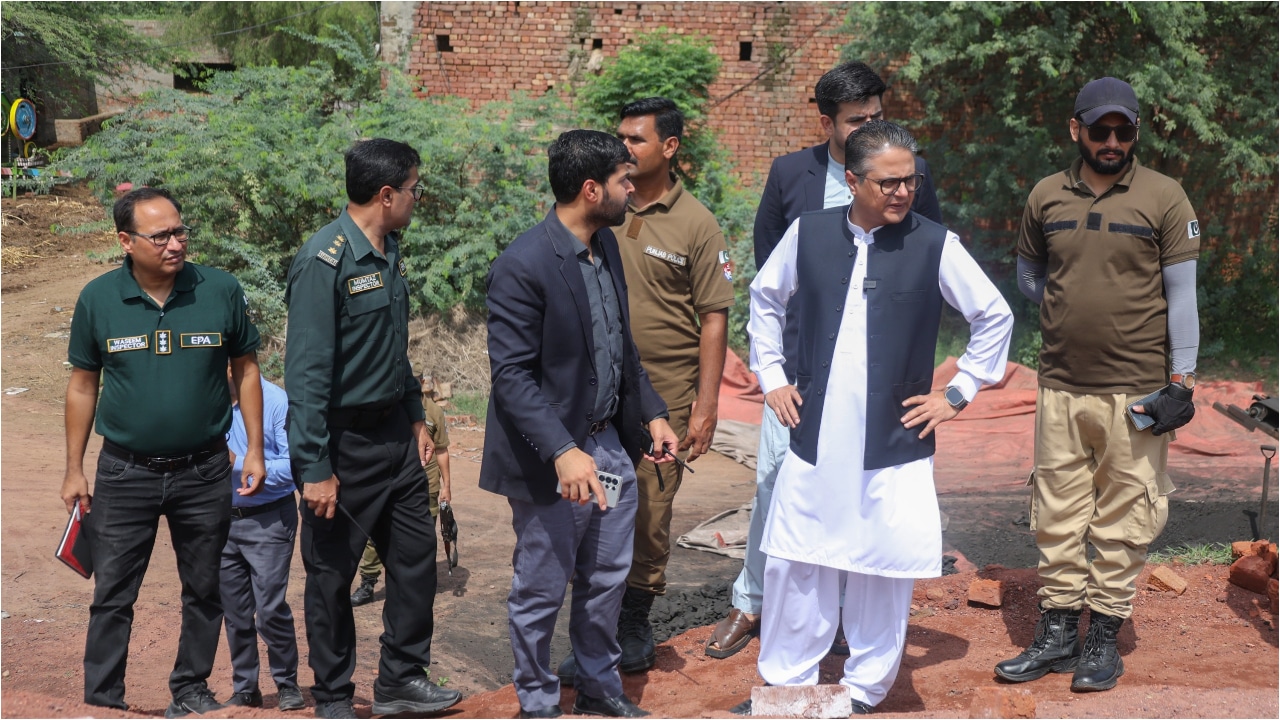
The EPA Punjab has ramped up enforcement efforts across the province to combat air pollution before the winter smog season. Director General Syed Musa Raza chaired a meeting to strategize and then personally inspected sites, emphasizing a zero-tolerance policy against environmental violations and strict implementation of laws.
Imagine the air getting super dirty and hazy, especially in winter, like a big grey cloud called smog. To stop this, the grown-ups in charge in Punjab are sending out teams to check places that make a lot of smoke and dust, like brick factories, big construction sites, and even cars that puff out too much smoke. They want everyone to clean up their act before winter comes so we can all breathe cleaner air and stay healthy.
Analysis
Proactive Measures for Smog Prevention
The Environment Protection Agency (EPA) Punjab has launched a comprehensive pre-smog preparedness campaign, signaling a shift towards proactive environmental governance. Director General Syed Musa Raza convened a critical meeting with regional directors and field officers to outline an aggressive enforcement strategy. This initiative underscores the provincial government's commitment to tackling air pollution before it reaches critical levels during the winter months, a period notorious for dense smog that severely impacts public health and daily life. The emphasis on preventive action, rather than reactive measures, highlights a more strategic approach to environmental management, aiming to mitigate emissions at their source.
Targeted Enforcement and Initial Impact
The operation targets several key contributors to air pollution, including brick kilns, industrial units, plastic manufacturers, construction sites, and heavy transport vehicles. Brick kilns, identified as major polluters, are under strict scrutiny, with directives for indiscriminate action against illegal operations and mandatory adoption of zigzag technology. Industrial units are required to ensure functional emission control systems, facing immediate sealing and penalties for non-compliance. Furthermore, construction sites must implement dust suppression measures, including mist sprinklers and anti-smog guns, guided by real-time Air Quality Index (AQI) data. Enforcement data from January 1 to July 25, 2026, reveals significant actions: 777 brick kilns demolished, 694 industrial units sealed, and substantial fines imposed across various sectors, demonstrating the initial impact of this intensified crackdown.
Broader Implications for Environmental Governance
This anti-smog operation represents a significant step in Punjab's ongoing battle against environmental degradation. By adopting a science-based approach with continuous monitoring and coordinated field operations, the provincial government aims to establish a more robust framework for environmental compliance. The assignment of clear targets to regional offices and the reliance on real-time data for decision-making suggest a more accountable and data-driven governance model. If sustained, these efforts could lead to a substantial improvement in air quality, fostering a healthier environment for citizens and potentially setting a precedent for other regions grappling with similar environmental challenges. The long-term success will depend on consistent enforcement, public cooperation, and the integration of sustainable practices across all targeted sectors.
Key points
- Punjab's EPA has launched an aggressive, province-wide anti-smog operation targeting major pollution sources.
- The campaign focuses on brick kilns, industrial units, plastic manufacturers, construction sites, and heavy transport vehicles.
- DG EPA Syed Musa Raza emphasized a zero-tolerance policy, strict implementation of environmental laws, and proactive measures before winter.
- Enforcement data from January to July 2026 shows significant actions, including demolitions, sealings, FIRs, and fines against violators.
- The strategy involves continuous monitoring, real-time data analysis, and mandatory dust suppression and emission control systems.
If the EPA's proactive and science-based approach is sustained, Punjab could see a significant reduction in winter smog, leading to improved public health and a better quality of life for its residents. The strict enforcement and adoption of modern technologies like zigzag kilns and fog cannons could set a new standard for environmental compliance in the region.
Despite initial efforts, the operation could face challenges such as resistance from non-compliant industries, insufficient resources for continuous monitoring, or a lack of sustained political will. If enforcement wanes, pollution levels could quickly rebound, undermining the progress made and leaving the province vulnerable to severe smog conditions again.