Queensland and NT reject Labor’s push to ensure that power-hungry AI datacentres use renewable energy
Queensland and the Northern Territory have rejected the federal government's plans to mandate that AI datacentres use renewable power, citing concerns about increased power to Canberra.
Intelligence analysis by Llama
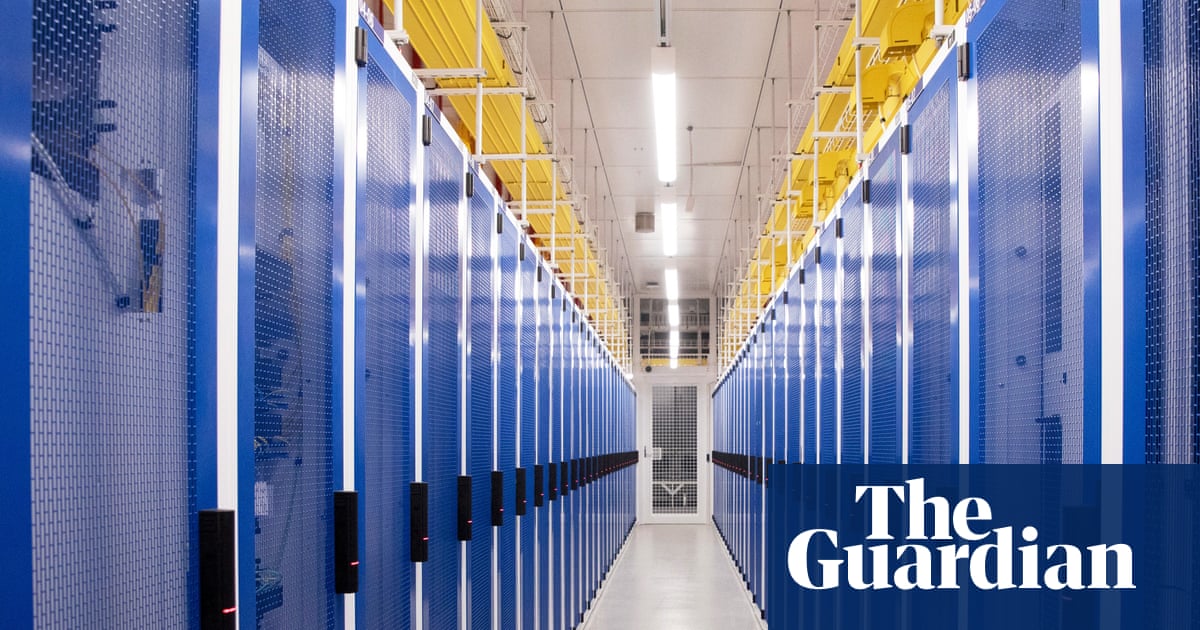
The federal Labor government is pushing ahead with its plans to regulate the booming technology, despite opposition from some states. The government is examining whether it can set price protections to shield Australians from energy bill spikes related to the datacentre boom.
Imagine a huge computer centre that uses a lot of energy and water. The government wants to make sure that these centres use renewable energy and don't waste water. But some states, like Queensland and the Northern Territory, don't want the government to tell them what to do. They think it's too much power for Canberra to have.
Analysis
A Federal-State Stoush Over Datacentres
The federal Labor government's plans to regulate AI datacentres have been met with opposition from Queensland and the Northern Territory. The two states have rejected the government's proposals to mandate that datacentres use renewable power, citing concerns about increased power to Canberra. The federal government, however, is pushing ahead with its plans, insisting that work to deliver nationally consistent rules will continue.
The Datacentre Boom and Its Implications
The datacentre industry is booming, with a projected five-fold increase in power use by 2035. This has raised concerns about the potential for energy bill spikes and the impact on Australia's energy consumption. S&P Global, the economic rating agency, has warned that a mismatch between delivery timelines for datacentres and renewable projects could lead to consumer prices rising by 25% across states.
The Federal Government's Response
The federal government is examining whether it can set price protections to shield Australians from energy bill spikes related to the datacentre boom. The government is also expected to reveal more about its plans before a national cabinet meeting in August and another energy ministers' summit in September. Federal powers relating to the Australian Energy Market Operator and Australian Energy Market Commission and surrounding connections of large facilities to power grids could be invoked to mandate that new datacentres use renewables.
Key points
- Queensland and the Northern Territory have rejected the federal government's plans to mandate that AI datacentres use renewable power.
- The federal Labor government is pushing ahead with its plans to regulate the booming technology.
- The government is examining whether it can set price protections to shield Australians from energy bill spikes related to the datacentre boom.
If the federal government's plans are successful, it could lead to a significant increase in the use of renewable energy and a reduction in energy consumption. This could also lead to the creation of new jobs and investment opportunities in the renewable energy sector.
If the datacentre boom continues unchecked, it could lead to a significant increase in energy consumption and a rise in energy bills. This could also lead to environmental impacts and noise pollution.