Quinoa or Brown Rice: Which is healthier for blood sugar?
This article compares quinoa and brown rice, concluding that quinoa offers a slight advantage for blood sugar management due to its higher protein and fiber content, though preparation and portion size are also critical factors.
Intelligence analysis by Gemini 2.5 Flash
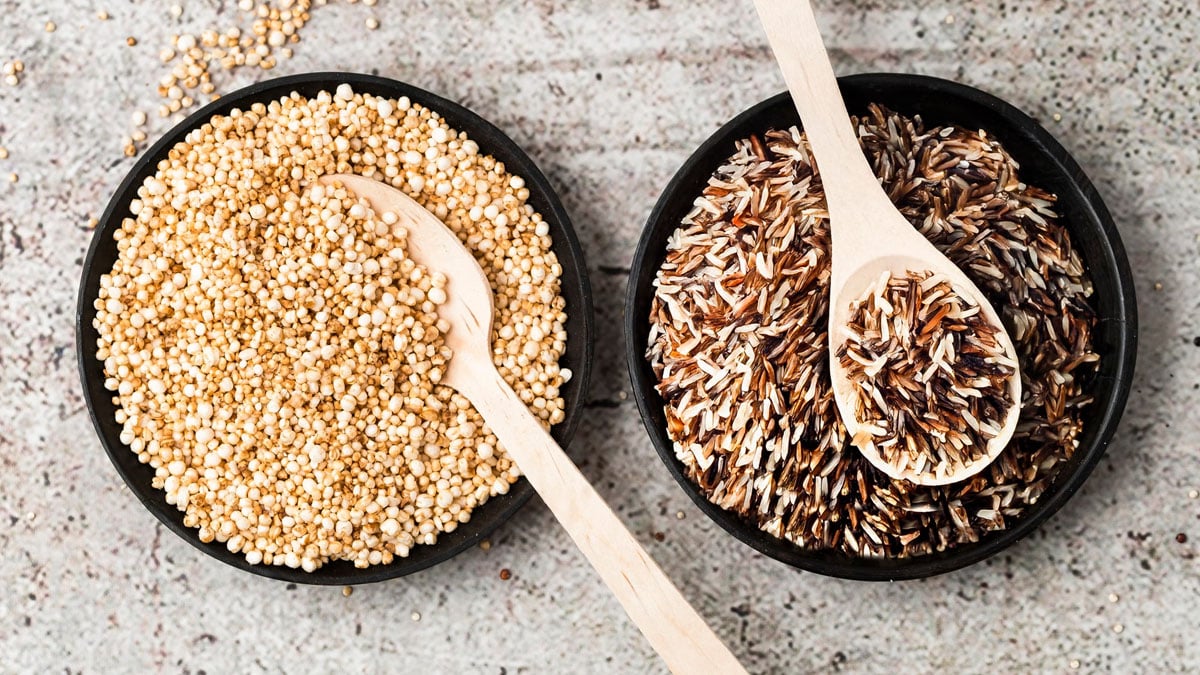
ARY News evaluates brown rice and quinoa, two popular whole grains, for their impact on blood sugar levels. The analysis covers their Glycemic Index, macronutrient profiles, and the benefits of resistant starch, providing practical dietary advice for individuals focused on glucose management.
Imagine your body is like a car, and food is its fuel. Some fuels make the car zoom really fast and then slow down quickly, like sugary snacks. This article helps you pick grains like quinoa or brown rice that give your body a nice, even energy flow, especially if you need to keep your fuel levels (blood sugar) just right. Quinoa is a bit better because it has more 'slow-release' ingredients like protein and fiber, which help keep your energy steady.
Analysis
The article delves into a comparative analysis of quinoa and brown rice, two widely consumed whole grains, specifically examining their effects on blood sugar levels. While both are recognized as nutritious carbohydrate sources, the piece highlights nuanced differences that can be significant for individuals managing their glucose intake or adhering to a low-glycemic diet. The core argument posits quinoa as a marginally superior choice, primarily attributed to its richer protein and fiber composition.
Glycemic Index (GI)
Initially, the article introduces the Glycemic Index (GI), a metric that ranks carbohydrate-containing foods based on how quickly they elevate blood glucose compared to pure glucose. Interestingly, when solely considering their GI values, brown rice and quinoa appear almost identical. Brown rice typically has a GI of 50-55, while quinoa's GI is around 53, both falling into the low to medium category. This suggests that, on a basic level, their immediate impact on blood sugar might be quite similar. However, the article quickly pivots to emphasize that GI alone is not the sole determinant, as factors like preparation, processing, cooking methods, and even storage can significantly alter a food's actual effect on blood glucose.
Macronutrient Comparison
A deeper dive into the macronutrient profiles reveals where quinoa gains its edge. Macronutrients, particularly protein and fiber, play a crucial role in regulating how quickly carbohydrates are digested and converted into blood sugar. Both protein and fiber are known to slow down the digestive process, thereby promoting a more stable and gradual rise in blood sugar. Per one cup cooked serving, quinoa contains 8 grams of protein and 5 grams of fiber, whereas brown rice offers 5 grams of protein and 3.5 grams of fiber. This higher concentration of both protein and fiber in quinoa means it can lead to a more moderate and consistent increase in blood sugar over time, making it a slightly better option for long-term blood sugar management. Additionally, quinoa is highlighted as a complete protein, providing all nine essential amino acids.
Resistant Starch
The article also introduces the concept of resistant starch, a lesser-known but impactful factor in blood sugar control. This type of starch forms when cooked carbohydrates, such as brown rice or quinoa, are allowed to cool and are then refrigerated. Resistant starch functions similarly to soluble fiber, resisting breakdown in the upper digestive tract. Instead, it travels further down the gut, serving as fuel for beneficial digestive bacteria. Crucially, because it is not broken down quickly, resistant starch slows the release of carbohydrates into the bloodstream, thereby mitigating rapid spikes in blood sugar. Both brown rice and quinoa are identified as good sources of resistant starch when prepared as 'leftovers,' offering a simple yet effective strategy for enhancing their blood sugar benefits. The article concludes with practical advice on portion control, recommending grains constitute about a quarter of a plate, and balancing them with healthy fats and proteins to further stabilize glucose levels.
Key points
- Quinoa is slightly healthier than brown rice for blood sugar management due to its higher protein and fiber content.
- Both brown rice and quinoa have similar low-to-medium Glycemic Index (GI) values, but GI alone isn't the only factor.
- Protein and fiber slow down digestion, leading to a more moderate and consistent rise in blood sugar.
- Resistant starch, formed when cooked grains cool, further helps regulate blood sugar by resisting rapid breakdown.
- Portion control (e.g., ¼ of a plate) and balancing grains with healthy fats and proteins are crucial for effective blood sugar management.
The article provides clear, actionable dietary advice, empowering individuals to make informed choices that can positively impact their blood sugar management and overall health. By understanding the nuances of grain selection and preparation, people can better control their glucose levels and potentially reduce the risk of related health complications.
Without proper adherence to portion control and balanced meal composition, even healthier grains like quinoa and brown rice can still contribute to elevated blood sugar, potentially undermining efforts to manage conditions like diabetes. Overconsumption, regardless of the grain's inherent benefits, can negate positive dietary intentions.