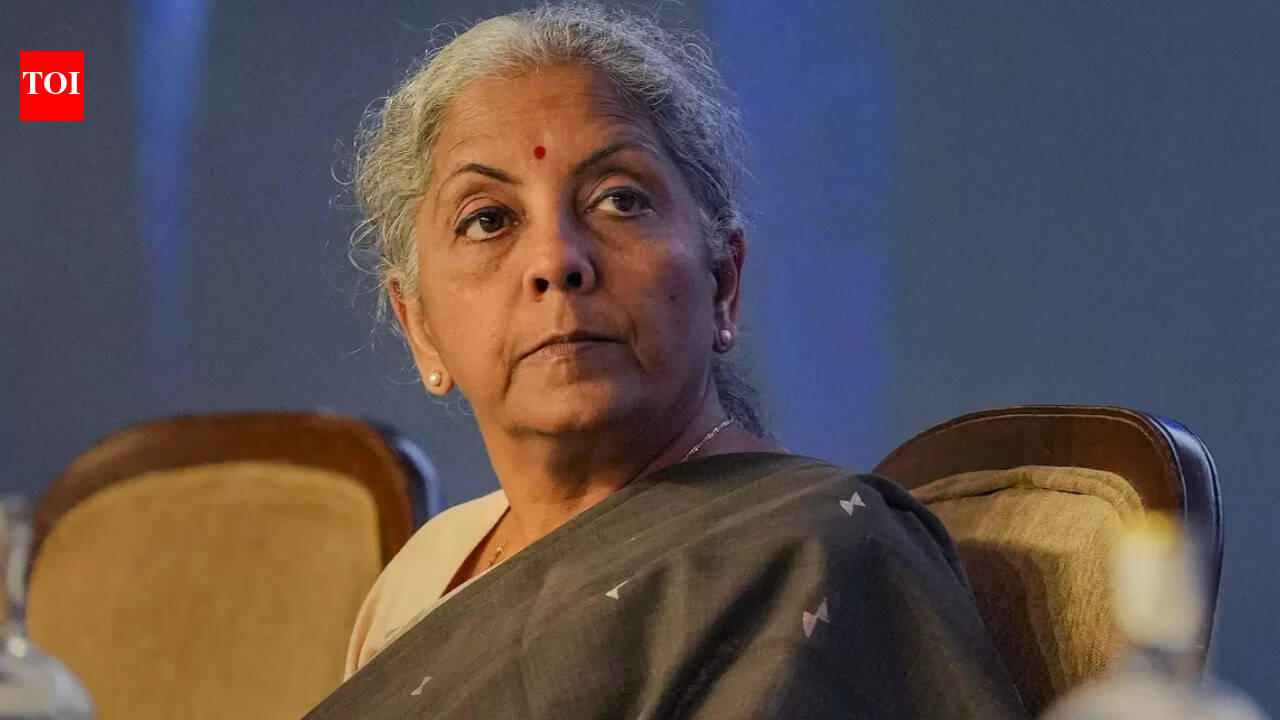
Rahul Gandhi on Gyanesh Kumar: 'His messages come; he's not a criminal, just being made to do this.'
Rahul Gandhi alleged that Chief Election Commissioner Gyanesh Kumar is acting under pressure from top government officials, despite attempts by Kumar to communicate with him. Gandhi called for Kumar's resignation and announced plans for a Supreme Court petition.
Intelligence analysis by Gemini 2.5 Flash
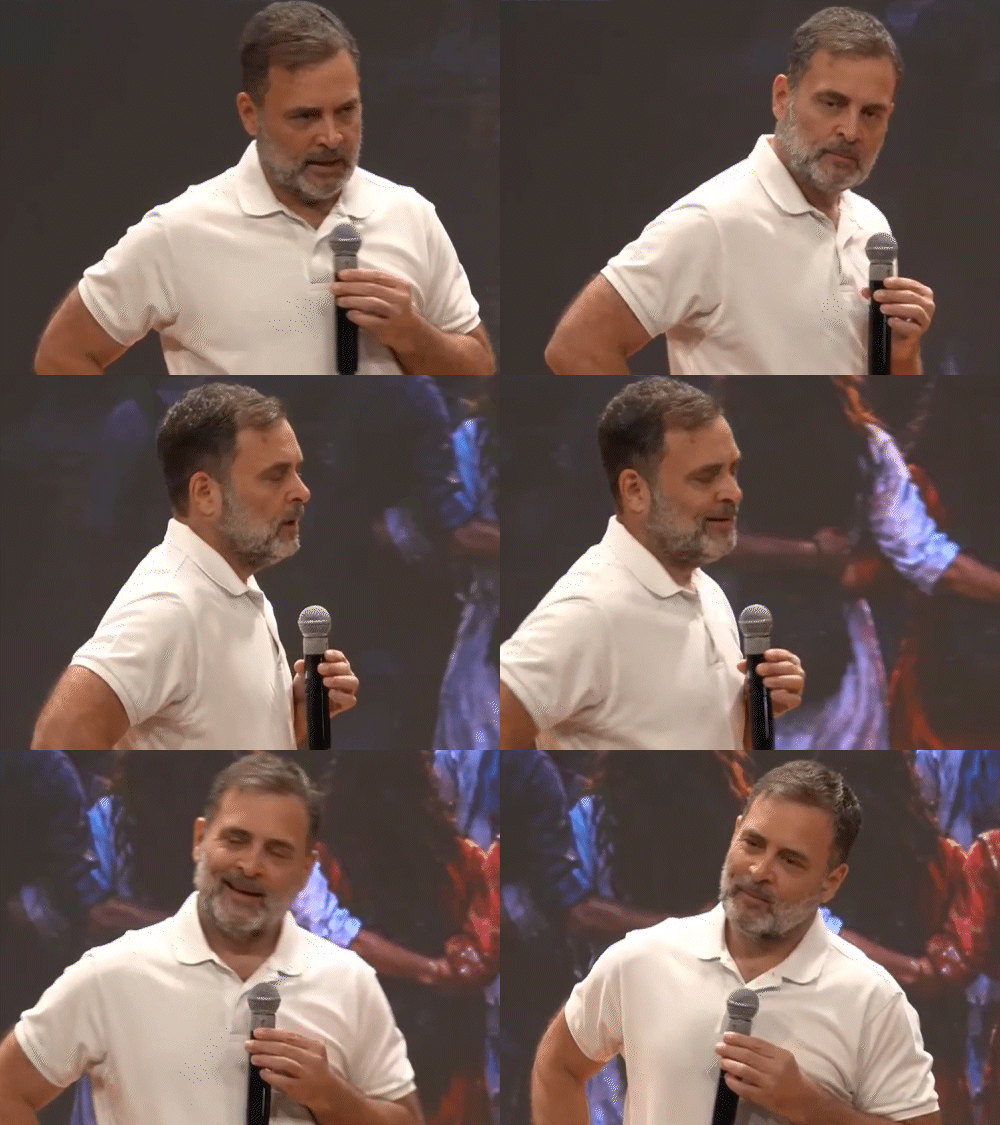
During a press conference in Delhi, Congress leader Rahul Gandhi directly accused Chief Election Commissioner Gyanesh Kumar of succumbing to pressure from Prime Minister Narendra Modi, Amit Shah, and Ajit Doval regarding electoral processes. Gandhi claimed Kumar had sent him messages and urged him to resign, while also highlighting police actions against protestors and announcing a ma…
Imagine a referee in a big game who everyone thinks is being told what to do by the team owners. Rahul Gandhi is saying that the main referee, Gyanesh Kumar, is getting secret messages and is being pressured by powerful people to make unfair calls. Rahul wants him to quit and is asking everyone to stand up against it, even planning to tell the head judge (Supreme Court) about it.
Analysis
Rahul Gandhi's recent press conference in Delhi marks a significant escalation in the opposition's critique of India's electoral process, directly targeting Chief Election Commissioner Gyanesh Kumar. Gandhi's assertion that Kumar has attempted to communicate with him, coupled with the dramatic accusation that Kumar is merely a pawn under pressure from Prime Minister Narendra Modi, Amit Shah, and Ajit Doval, casts a long shadow over the Election Commission's perceived independence. This public challenge, delivered just before a planned march to the Supreme Court, aims to galvanize public opinion and legal action against what the Congress party views as a compromised electoral system. The allegations are not merely about procedural irregularities but strike at the very heart of democratic fairness and the autonomy of constitutional bodies.
Gyanesh Kumar
The direct naming of Gyanesh Kumar and the call for his resignation represent an unprecedented level of personal attack on a sitting Chief Election Commissioner by a prominent opposition leader. Rahul Gandhi's claim that Kumar has sent him "messages" adds a layer of intrigue, suggesting a potential internal conflict or acknowledgment of external pressures within the Election Commission itself. By framing Kumar as a victim rather than the primary perpetrator, Gandhi attempts to shift the blame upwards to the highest echelons of the government, specifically mentioning PM Modi, Amit Shah, and Ajit Doval. This strategy seeks to portray the alleged manipulation of the electoral body as a systemic issue orchestrated by the ruling party, rather than an isolated incident. The implication is that the integrity of India's democratic institutions is under severe threat from political interference.
Delhi
Gandhi's description of Delhi as a "jail" and his remarks about the police being "disturbed" by orders to suppress youth and use pellet guns highlight the broader context of protest and state response. This narrative paints a picture of a government using its machinery, including law enforcement, to stifle dissent and control public gatherings, particularly those organized by the opposition. The reference to "RSS goons hitting women" further sensationalizes the situation, aiming to evoke strong public sympathy and outrage against perceived authoritarian tactics. By connecting the suppression of protests to the alleged compromise of the Election Commission, Gandhi attempts to build a comprehensive case that democratic freedoms are being systematically eroded across multiple fronts, from electoral integrity to the right to peaceful assembly.
Supreme Court
The announcement of a petition to the Supreme Court signifies a strategic move to leverage the judiciary as a check on the executive and electoral bodies. By appealing to the highest court, the opposition aims to seek judicial intervention and validation for their claims of electoral malpractice and undue influence. Rahul Gandhi's call for public solidarity when they are "in front of the Supreme Court" underscores the dual objective of this legal action: to secure a favorable judicial outcome and to mobilize public support, transforming a legal challenge into a broader movement for democratic accountability. This approach suggests that the Congress party views the Supreme Court as a crucial arena for challenging the current political establishment and restoring faith in the democratic process, especially given the perceived failures of other institutions.
Key points
- Rahul Gandhi accused CEC Gyanesh Kumar of acting under pressure from PM Modi, Amit Shah, and Ajit Doval.
- Gandhi claimed Kumar had sent him messages and urged him to resign from his post.
- He highlighted police actions against protestors, describing Delhi as a 'jail' where youth are being suppressed.
- Gandhi announced plans for a petition in the Supreme Court against the electoral process and related issues.
- He called for continuous protest and public solidarity to challenge the current situation.
The public outcry and legal challenge could lead to greater scrutiny and reforms within the Election Commission, strengthening democratic processes and ensuring fairer elections in the future. This could potentially restore public trust in the integrity of India's electoral system.
The allegations could further polarize the political landscape and undermine public faith in democratic institutions, potentially leading to increased unrest and a perception of compromised electoral integrity. This could also intensify political tensions ahead of upcoming elections.