Raspberry Pi raises profit forecast as AI demand grows
Raspberry Pi lifted its profit outlook after strong demand for its low-cost computers, helped by growth in AI hardware use.
Intelligence analysis by GPT-5.4 Mini
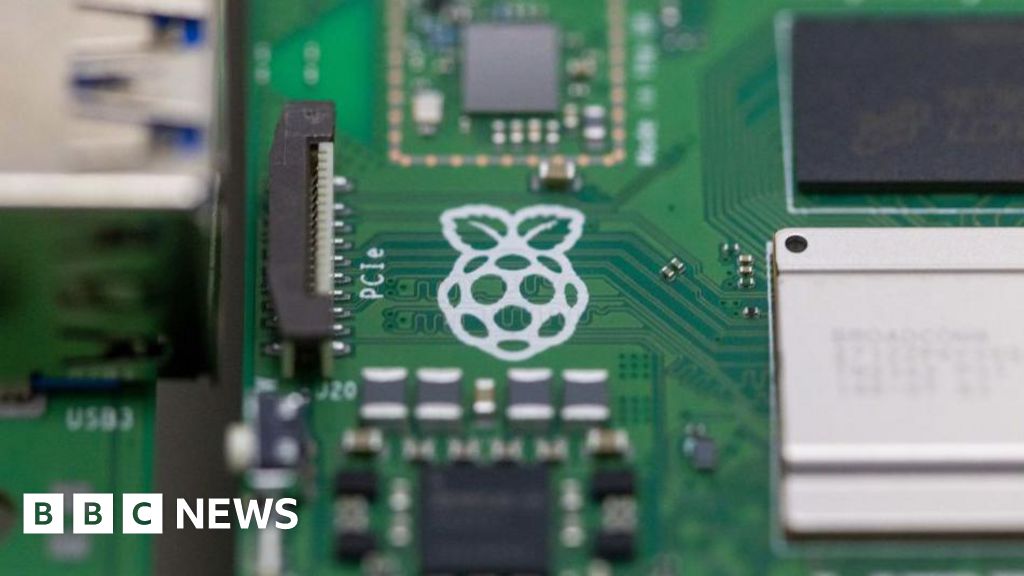
Raspberry Pi said robust demand for its products is lifting earnings expectations, with AI-related use cases helping drive interest in its small, cheap computers. The update sent shares sharply higher and pushed the company’s market value up.
Raspberry Pi makes tiny, cheap computers. More people want them because they can help power AI gadgets, like a small engine helping a toy car move faster.
Analysis
What changed
Raspberry Pi raised its profit forecast after reporting stronger-than-expected demand for its small computers. The Cambridge-based company said it now expects adjusted earnings of at least $38m for the first half of 2026, and said it is on track to beat current market expectations for the full year.
Why investors reacted
The market took the update as a sign that the company’s products are benefiting from rapid growth in AI use. Its shares rose by as much as 25% in early trading, and the company said its market value reached around £2bn. Raspberry Pi also said the value of its stock has more than tripled since the start of the year.
Where AI fits in
Raspberry Pi’s credit card-sized computers are increasingly being used to build AI-powered devices because they are cheaper than more specialised hardware. The article also notes that some enthusiasts are using the low-cost machines to host AI assistants. That does not make Raspberry Pi an AI model company, but it does show how AI demand can lift hardware suppliers that sit nearby in the stack.
Cost pressures remain
The company has also raised prices several times over the past few months. It said global memory-chip shortages, driven in part by demand from AI data centres, have pushed up component costs. So the same AI boom helping demand is also making parts more expensive.
Overall, the article frames Raspberry Pi as a beneficiary of AI growth, but one that is still exposed to the supply-chain and pricing pressures created by that same boom.
Key points
- Raspberry Pi raised its profit forecast after stronger demand for its small computers.
- The company expects at least $38m in adjusted earnings for the first half of 2026.
- Shares jumped as much as 25% after the update, lifting the company’s market value to around £2bn.
- The company says AI-related demand is helping drive interest in its low-cost hardware.
- It has also raised prices several times because memory-chip costs have risen.
If demand stays strong, Raspberry Pi could keep beating expectations and turn AI-related interest into more sales. Higher demand could also support its market value if customers continue choosing its low-cost hardware over pricier alternatives.
The same AI boom that helps demand is also pushing up parts costs, especially memory chips. If those shortages or price pressures continue, Raspberry Pi may have to keep raising prices, which could limit demand or squeeze margins.