Rawalpindi registers 1,670 dengue FIR as crackdown intensifies
Rawalpindi authorities have registered 1,670 FIR and sealed 440 premises for violating anti-dengue safety measures since Jan. 1, as health officials intensify efforts to prevent the spread of the virus.
Intelligence analysis by Llama
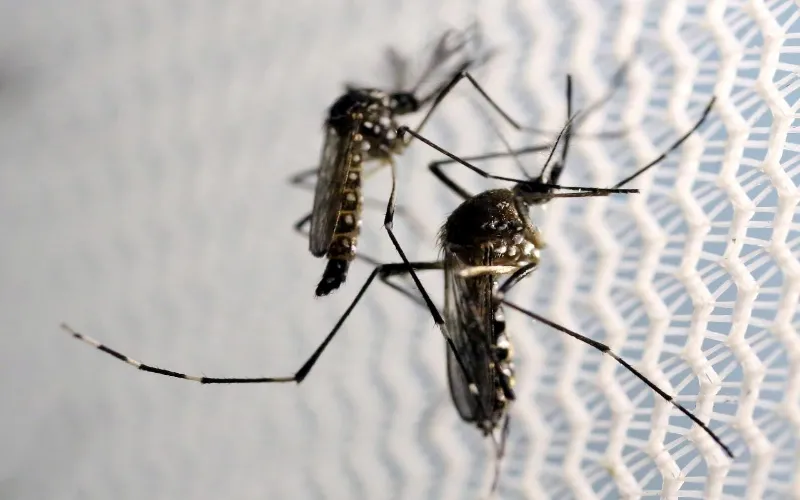
Rawalpindi authorities have registered 1,670 FIR and sealed 440 premises for violating anti-dengue safety measures. Health officials are intensifying efforts to prevent the spread of the virus, with a focus on locations where stagnant water can collect and allow mosquitoes to breed.
Imagine mosquitoes spreading a virus that can make people very sick. In Rawalpindi, health officials are working hard to stop this virus from spreading. They are checking homes and buildings to make sure there's no stagnant water where mosquitoes can breed. If we all work together, we can keep our community safe from this virus.
Analysis
Dengue Cases in Rawalpindi Remain Lower Than in Previous Years
Despite the large number of breeding sites identified, the number of confirmed dengue cases in Rawalpindi remains lower than in previous years. Six confirmed cases have been reported in the district so far this year, compared with 68 during the same period in 2025, 33 in 2024 and 73 in 2023. This indicates that the dengue situation in the Rawalpindi region is currently under control.
Health Teams Continue Preventive Measures
The district health administration is continuing preventive measures around the clock, with officials describing dengue prevention as a government priority. Health teams are also focusing on locations where stagnant water can collect and allow mosquitoes to breed. Residents have been urged to remain alert and regularly inspect junkyards, schools and buildings under construction. Officials advised people to remove stagnant water from inside and around their homes and workplaces. They said such areas can become breeding grounds for dengue mosquitoes if left unchecked.
Cooperation from Residents Remains Important
The health administration said cooperation from residents remains important to prevent the virus from spreading. Authorities are continuing inspections and enforcement measures across the district while monitoring dengue activity. The latest figures indicate that dengue cases are significantly lower than in previous years, but health officials are maintaining surveillance to prevent a sudden increase in infections.
Key points
- Rawalpindi authorities have registered 1,670 FIR and sealed 440 premises for violating anti-dengue safety measures.
- Six confirmed dengue cases have been reported in Rawalpindi this year, compared to 68 during the same period in 2025.
- Health officials are continuing preventive measures around the clock, with a focus on cooperation from residents to prevent the virus from spreading.
- Residents have been urged to remain alert and regularly inspect junkyards, schools and buildings under construction.
- Health teams are focusing on locations where stagnant water can collect and allow mosquitoes to breed.
If the current efforts to prevent the spread of dengue continue, the number of confirmed cases in Rawalpindi is likely to remain low. Health officials are maintaining surveillance to prevent a sudden increase in infections, and residents are cooperating by regularly inspecting their homes and workplaces.
If residents do not remain vigilant and remove stagnant water from their homes and workplaces, the number of dengue cases in Rawalpindi could increase. This could put a strain on the healthcare system and lead to more severe consequences for those affected.