Rep. Ro Khanna calls for ‘Data Center Bill of Rights’ and says the industry needs regulation
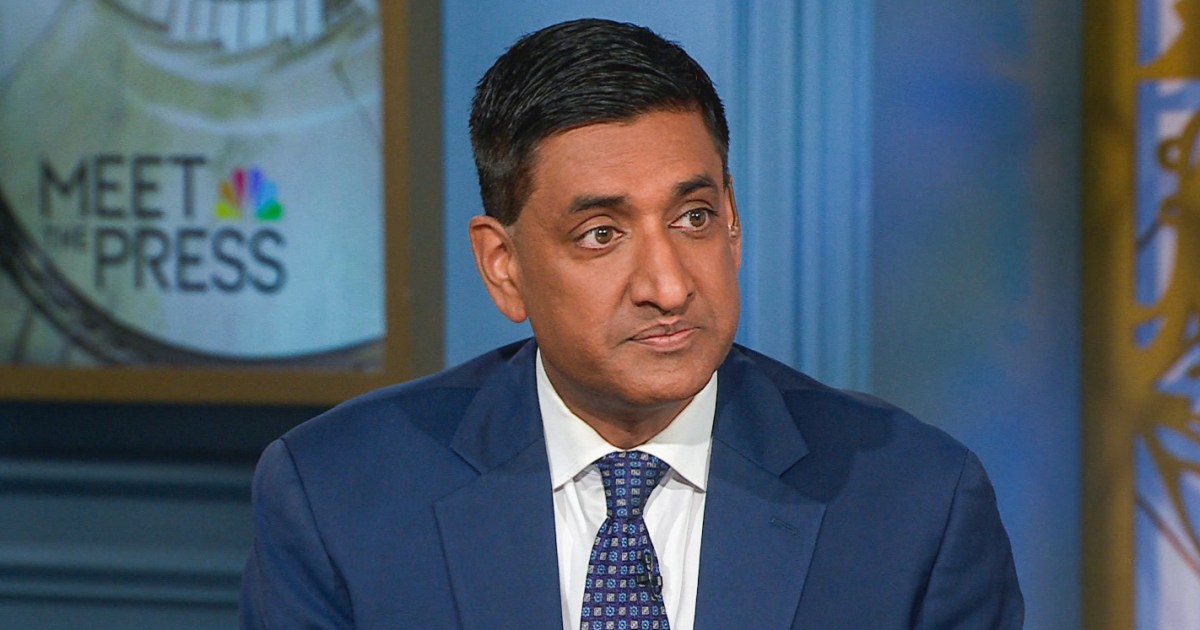
Rep. Ro Khanna, D-Calif., called for a “Data Center Bill of Rights,” arguing in an interview on NBC’s “Meet the Press” that data centers needed to be regulated so local communities have a larger say on where to build them.
Intelligence analysis by Llama
Rep. Ro Khanna calls for a “Data Center Bill of Rights” to regulate data centers and give local communities a say in where they are built. He argues that data centers need to be regulated to prevent them from being built in residential areas and to ensure they use clean energy.
Imagine you live in a quiet neighborhood and a big data center is built next to your house. It's loud, it uses a lot of water and energy, and it makes the air dirty. Rep. Ro Khanna wants to make sure that data centers are built in a way that doesn't hurt local communities. He thinks that data centers should be regulated so that local communities have a say in where they are built and how they operate.
Analysis
Data Center Bill of Rights: A Necessary Regulation for Local Communities
Rep. Ro Khanna's call for a Data Center Bill of Rights is a timely and necessary regulation for local communities. The rise of data centers has created controversy in local communities, where residents have raised concerns over the centers' water and energy consumption, noise and air pollution. Khanna's resolution would affirm that communities can ban data centers in residential areas, reject increases in electric bills, and require data centers to use clean energy, among other provisions.
The need for regulation is clear. Data centers have become a prominent issue in elections across the country, with 71% of Americans opposing local construction of AI data centers. This opposition is not just about aesthetics; it's about the impact that data centers have on local communities. By regulating data centers, Khanna's bill would ensure that local communities have a say in where these centers are built and how they operate.
Economic Patriotism: A New National Economic Project
Khanna's economic vision, which he calls 'economic patriotism,' is a new national economic project to make sure every person has a stake in the country. This vision is centered around the idea that the Democratic Party needs a clear national economic message to get out of the wilderness. Khanna believes that this message should focus on a new national economic project that benefits every person in the country.
The Future of Data Centers: A Pause for Regulation
The future of data centers is uncertain, but one thing is clear: they need to be regulated. Khanna's bill would provide a much-needed pause for regulation, allowing local communities to have a say in where these centers are built and how they operate. This regulation would also ensure that data centers use clean energy and do not harm the environment. By regulating data centers, Khanna's bill would provide a much-needed solution to the controversy surrounding these centers.
Key points
- Rep. Ro Khanna calls for a Data Center Bill of Rights to regulate data centers and give local communities a say in where they are built.
- The bill would affirm that communities can ban data centers in residential areas, reject increases in electric bills, and require data centers to use clean energy.
- Khanna's economic vision, 'economic patriotism,' is a new national economic project to make sure every person has a stake in the country.
- The future of data centers is uncertain, but one thing is clear: they need to be regulated.
If Rep. Khanna's Data Center Bill of Rights is passed, it could lead to a more sustainable and environmentally-friendly approach to data center development. This could also lead to more jobs and economic growth in the data center industry, as companies are incentivized to build data centers in a way that benefits local communities.
If Rep. Khanna's Data Center Bill of Rights is not passed, it could lead to continued controversy and opposition to data center development in local communities. This could also lead to a lack of investment in data center development, as companies are deterred by the regulatory uncertainty.