Report of a Bomb on an American Plane Heading to Tel Aviv... What Happened?
A Delta Airlines flight bound for Tel Aviv's Ben Gurion Airport was isolated and evacuated after an anonymous bomb threat, though Israeli security officials suspect it's a false alarm.
Intelligence analysis by Gemini 2.5 Flash
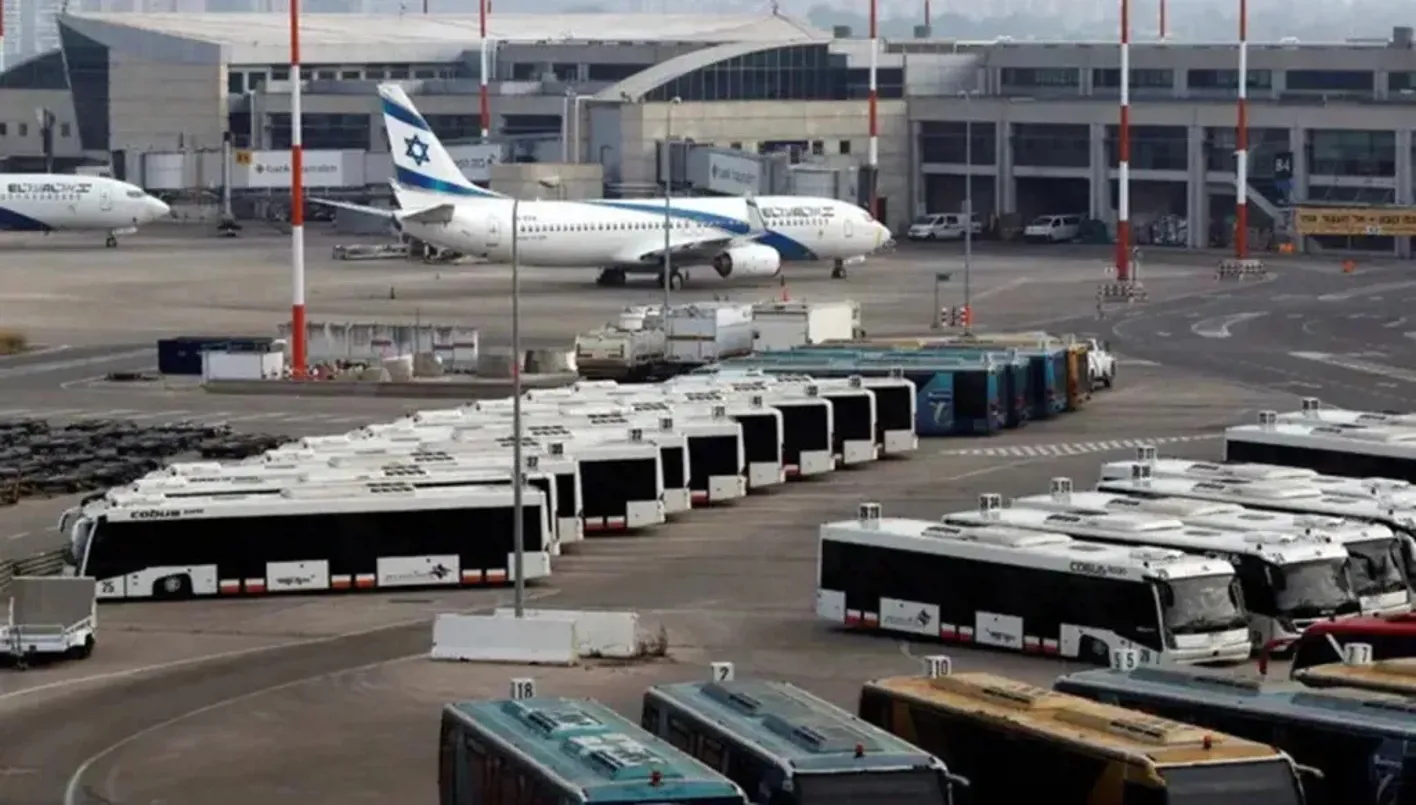
An anonymous bomb threat targeting a Delta Airlines flight en route from the United States to Tel Aviv's Ben Gurion Airport prompted the isolation and evacuation of the aircraft. While Israeli security authorities are treating the threat with utmost caution, they largely believe it to be a hoax, occurring weeks after a similar scare involving a Fly Dubai flight.
Imagine a big airplane flying to Israel, and someone called to say there might be a bomb on it. Even though grown-ups think it's probably a trick, they still have to be super careful. So, they made everyone get off the plane and checked it very, very carefully, just to make sure everyone was safe.
Analysis
Ben Gurion Airport
Ben Gurion Airport, a critical international gateway for Israel, was the destination for the Delta Airlines flight targeted by an anonymous bomb threat. This incident immediately triggered established security protocols, leading to the isolation of the aircraft and the evacuation of all passengers. The airport's rapid response underscores the constant state of readiness required to manage potential security breaches, even those ultimately deemed non-credible. The decision to proceed with a full security inspection, despite initial assessments suggesting a false alarm, highlights the stringent measures in place at Israeli airports. Such incidents, regardless of their veracity, test the operational efficiency and coordination between various security agencies, ensuring that safety remains paramount for all incoming and outgoing flights.
Delta Airlines
The specific flight involved was operated by Delta Airlines, an American carrier, originating from the United States. This detail broadens the scope of the incident beyond purely domestic Israeli concerns, involving international aviation security protocols and cooperation between nations. The disruption caused to Delta's operations, including the delay and necessary security checks, represents a tangible cost of such threats. For Delta, ensuring passenger safety and adhering to international security standards are paramount. The incident, while a false alarm, serves as a reminder of the vulnerabilities in global air travel and the need for continuous vigilance. The airline's cooperation with Israeli authorities was crucial in managing the situation effectively and minimizing further complications.
Fly Dubai
This bomb threat comes just weeks after a similar incident involving a Fly Dubai aircraft carrying Israeli passengers, which had also caused significant concern in Tel Aviv. That previous event, which reportedly involved ongoing investigations into a plot to down the plane, provides critical context for the heightened state of alert surrounding the current Delta Airlines scare. The recurrence of such threats, even if false, suggests a pattern of attempts to disrupt air travel to Israel. The mention of the Fly Dubai incident indicates that Israeli security agencies are operating under an elevated threat perception, making them particularly cautious about any reports, regardless of their initial credibility. This historical context explains why "maximum precautions" were taken for the Delta flight, demonstrating a proactive approach to security in light of recent, more serious concerns.
Key points
- An anonymous bomb threat was reported on a Delta Airlines flight to Tel Aviv.
- The plane was isolated, passengers evacuated, and a security search initiated at Ben Gurion Airport.
- Israeli security officials believe the bomb threat is likely false but are taking full precautions.
- The incident follows a recent scare involving a Fly Dubai flight with Israeli passengers.
The quick response and belief that it's a false alarm suggest robust security protocols are in place and effective at mitigating potential threats, ensuring passenger safety without actual danger.
Even false alarms cause significant disruption, passenger anxiety, and operational costs, potentially leading to increased travel hesitancy or more stringent, time-consuming security measures in the future.