Resident group’s objections to bar and restaurant licences ‘destroying Soho’s reputation’
A council-funded residents’ group in Soho plans to challenge all new bar and restaurant licences, prompting warnings it will hit nightlife, jobs and investment.
Intelligence analysis by GPT-5.4 Mini
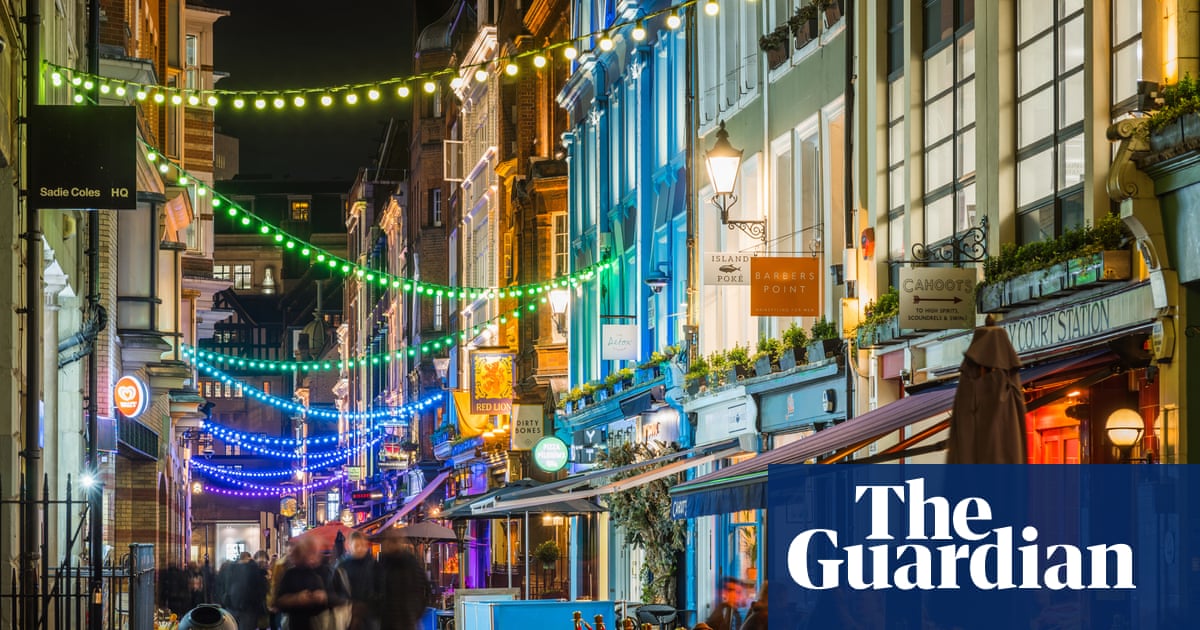
The Soho Society has adopted a tougher licensing stance in London’s West End, saying late-night activity has brought noise, crime and litter. Business owners argue the approach will raise costs, slow expansion and hurt hospitality jobs in an area known for nightlife.
A group of people who live in Soho wants to stop more bars and restaurants from opening late. They say the area is getting too noisy and messy, while business owners say the rules are hurting shops and venues.
Think of it like a neighborhood playground. One side wants it quieter and calmer at bedtime. The other side says the playground is supposed to be lively and fun, and closing it early would upset everyone who uses it.
The money part matters because bars and restaurants can give people jobs. If it becomes harder to open or stay open late, there may be fewer shifts for workers, especially younger people looking for work.
Analysis
What changed
The Soho Society, a residents’ group founded to preserve Soho’s character, voted at its AGM for a new licensing mandate. Under that rule, it will oppose all new applications for bars and restaurants in the area, including renewals of existing licences, and will object to venues that want to open beyond Westminster council’s core hours, which end at 11pm.
Why businesses are worried
Venue operators say the policy could make it much harder to open, expand or even keep trading in Soho. Rupert Power, who chairs the Soho business alliance, argued that the district’s international reputation depends on creative activity and late-night social life, and said the society’s approach could damage that image. Other owners said repeated objections are costly because they trigger council scrutiny and legal expenses even when applications are eventually approved.
The labour-market angle
The story links the Soho dispute to a wider hospitality squeeze. The article cites a recent report by former cabinet minister Alan Milburn saying a shortage of hospitality jobs is contributing to high youth unemployment in Britain, and that vacancies in the sector have halved over four years. Business owners in Soho say tighter licensing can reduce hours and therefore reduce jobs available to younger workers.
Costs and friction
The article also describes one recent licensing fight over a proposed gin bar and distillery. The objection was overturned after the London Fire Brigade rejected a fire-risk claim, but the business still faced heavy legal bills and has not yet opened. That example is used to show how objections can delay projects and add financial pressure even when they fail.
Overall, this is a local licensing dispute, but it has wider economic implications: trading hours, small-business costs, hospitality investment and youth employment all feature in the conflict.
Key points
- The Soho Society voted to oppose all new bar and restaurant licence applications in the area.
- The group will also challenge renewals and venues seeking to open past Westminster council’s core hours.
- Business owners say the policy could hurt Soho’s nightlife, reputation and ability to grow.
- The article links the dispute to broader concerns about hospitality vacancies and youth unemployment.
- A previous licensing fight over a gin bar and distillery left the business with large legal costs.