RFK Jr.'s quiet hunt for autism culprits stalls as Trump orders baseless changes to childhood shots
Robert F. Kennedy Jr.'s secretive, multi-million dollar research into autism causes has stalled, failing to produce evidence linking vaccines to the disorder. This comes as President Trump has ordered a reduction in childhood vaccine recommendations, publicly faulting sho…
Intelligence analysis by Gemini 2.5 Flash
President Trump has issued an executive order to limit childhood vaccine recommendations, citing a baseless link to autism, despite his health secretary, Robert F. Kennedy Jr., failing to provide any scientific evidence for such claims. Kennedy's secretive, taxpayer-funded research project has missed deadlines and excluded mainstream scientists, leading Trump to recycle discredited th…
Imagine a big puzzle about why some kids think and act differently, called autism. Grown-ups who are doctors and scientists have been working on this puzzle for a long time and found many clues, like genes and things in the environment. But a very important health leader, Mr. Kennedy, started his own secret puzzle-solving team, spending lots of money but not sharing his clues or talking to other puzzle experts. Now, the President, Mr. Trump, is saying we should give kids fewer shots because he thinks they cause autism, even though Mr. Kennedy's secret team hasn't found any proof, and most scientists say the shots are safe and don't cause autism.
Analysis
Robert F. Kennedy Jr.
As the nation's health secretary, Robert F. Kennedy Jr. has spearheaded a multi-million dollar research mission aimed at identifying the causes of autism. This project, however, has been characterized by extreme secrecy, with renowned psychologist Helen Tager-Flusberg describing it as "the most closed project that I've ever heard of," akin to the Manhattan Project. Kennedy has reportedly rejected decades of existing scientific research that points to genetics and environmental factors as leading causes, instead often calling autism a "preventable disease."
His efforts have bypassed established scientific protocols, with prominent autism advocacy groups, scientists, and career federal health agency researchers reportedly not consulted. Kennedy has instead relied on a close circle of anti-vaccine allies, including Stefanie Spear and William "Reyn" Archer III, to lead the agency's autism research and strategy. This insular approach has raised significant concerns about the scientific integrity and transparency of the research being conducted under his purview.
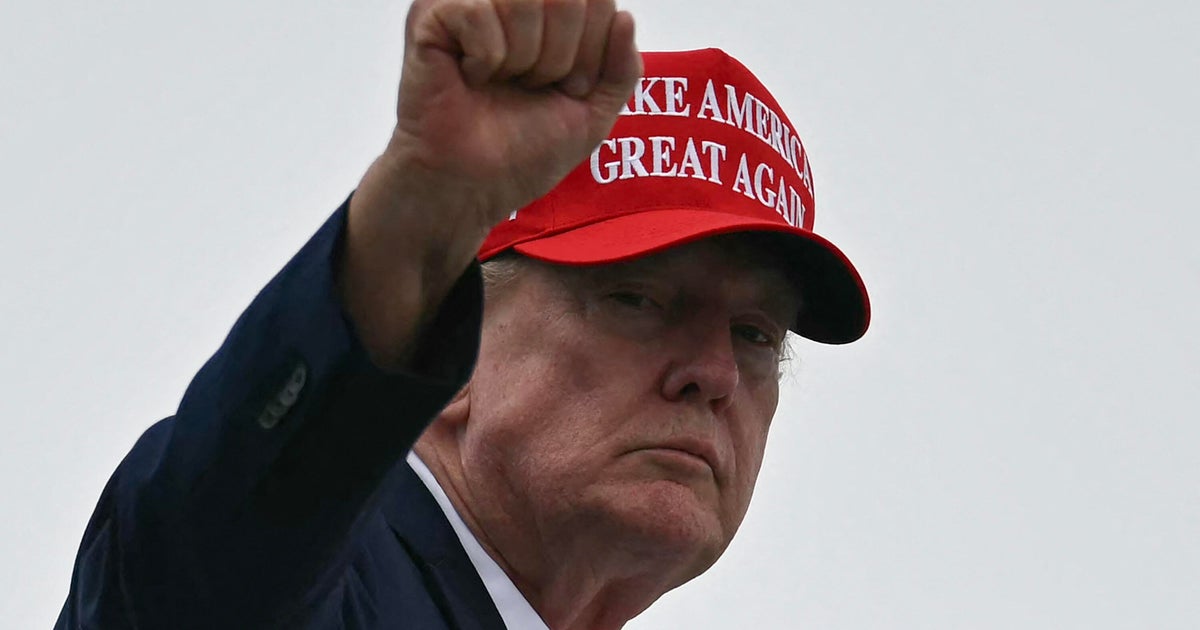
Donald Trump
President Trump has shown a keen interest in finding a definitive cause for autism, expressing impatience with Kennedy's progress and publicly embracing the debunked notion that vaccines are responsible. His executive order, issued less than 90 days before midterm elections, demands a reduction in childhood vaccine recommendations, a move that has puzzled medical groups and political analysts. This directive, while not explicitly mentioning autism, aligns with Trump's public statements faulting vaccines for the rise in autism diagnoses.
The president's willingness to gamble on this issue, despite warnings from his own pollsters about the political risks of anti-vaccine rhetoric, underscores his commitment to this unproven theory. The White House has not clarified what research informs the president's opinions, nor which specific vaccines he believes are linked to autism. This stance directly contradicts the consensus of leading medical and scientific organizations, creating a significant rift between political directives and public health best practices.
Interagency Autism Coordinating Committee
Under President Trump, the Interagency Autism Coordinating Committee (IACC) has undergone a significant transformation, with Kennedy restocking it with a full slate of 21 new members. These appointees include parents of autistic children, vaccine skeptics, and a doctor who faced a lawsuit for "dangerous" autism treatment. This restructuring has raised eyebrows among the scientific community, particularly given the committee's influential role in shaping federal autism research and policy.
The committee, which met only once during Trump's current term, recently released a 336-page strategic plan that echoes some of Kennedy's talking points. The plan suggests that federal researchers have focused too much on genetic links to autism, implicitly shifting emphasis towards other, less scientifically supported, hypotheses. This move by the IACC, now populated with Kennedy's allies, further solidifies the administration's controversial approach to autism research and vaccine policy, potentially diverting resources and attention from established scientific pathways.
Key points
- Robert F. Kennedy Jr.'s multi-million dollar autism research project has stalled and failed to produce evidence linking vaccines to autism.
- The research effort is shrouded in secrecy, excluding mainstream scientists and relying on anti-vaccine allies.
- President Trump has ordered a reduction in childhood vaccine recommendations, publicly linking shots to autism based on debunked notions.
- The Interagency Autism Coordinating Committee has been restocked with vaccine skeptics and now echoes Kennedy's views on autism research.
- The administration's actions contradict decades of scientific research indicating genetics and environmental factors as leading causes of autism.
The current trajectory risks undermining decades of established public health policy and scientific consensus regarding vaccine safety, potentially leading to decreased vaccination rates and a resurgence of preventable diseases. The politicization of autism research and the promotion of unproven theories could erode public trust in scientific institutions and misdirect valuable resources away from evidence-based solutions.