Ribena owner invests in helping blackcurrants withstand extreme weather
The owner of Ribena is investing £200,000 in helping blackcurrant bushes withstand stress after extreme weather put a squeeze on this year's UK harvest. The harvest is expected to be about 10% below the average of 10,000 tonnes.
Intelligence analysis by Llama
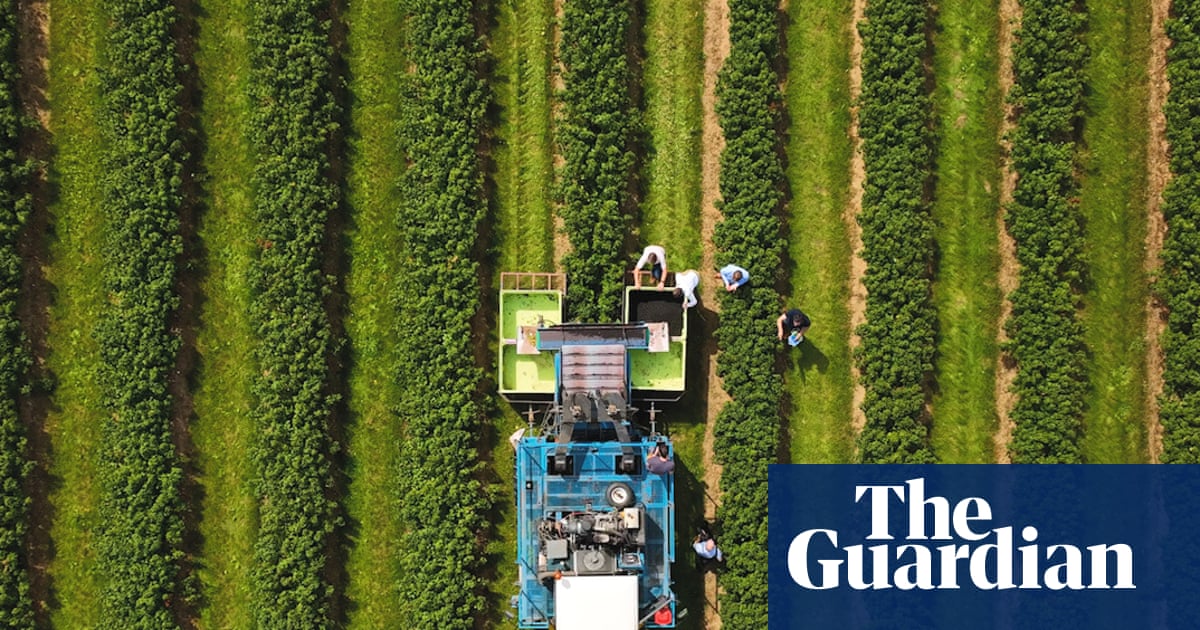
The UK blackcurrant harvest is expected to be 10% below average due to extreme weather, prompting the owner of Ribena to invest £200,000 in helping blackcurrant bushes withstand stress.
The owner of Ribena is helping blackcurrant bushes grow better in extreme weather by investing in research and development. This will help make blackcurrant crops more resilient to weather changes, which is good for the environment and the people who grow and eat blackcurrants.
Analysis
A £200,000 Vote of Confidence in Blackcurrant Resilience
The owner of Ribena, a leading blackcurrant juice brand, has invested £200,000 in helping blackcurrant bushes withstand stress. This move comes after the UK's blackcurrant harvest was hit by extreme weather, including one of the wettest winters on record, localised frosts, and heatwaves. The harvest is expected to be about 10% below the average of 10,000 tonnes.
The investment is a significant step towards ensuring the UK's blackcurrant production continues to thrive in the face of climate change. The project aims to improve soil health and make blackcurrant bushes more resilient to environmental stress. By investing in research and development, the owner of Ribena is demonstrating its commitment to the long-term sustainability of the industry.
Why Blackcurrant Resilience Matters
Blackcurrants are a vital crop for the UK's food and drink industry. They are a key ingredient in many products, including Ribena's blackcurrant juice. However, the changing climate is posing significant challenges to blackcurrant production. Extreme weather events, such as heatwaves and droughts, are affecting the quality and quantity of blackcurrant crops.
The owner of Ribena is not alone in its efforts to improve blackcurrant resilience. The Blackcurrant Foundation trade association and the National Institute of Agricultural Botany (Niab) are also investing in research and development to help growers build healthier soils and more resilient crops.
The Road Ahead
The project aims to evaluate the use of organic soil additions, such as wool, pasteurised manures, and green waste products, to improve soil organic matter, moisture retention, and nutrient cycling. Researchers will assess how these elements might help soil health, plant establishment, bush vigour, yield, and berry quality to identify the most effective approaches for improving resilience across UK blackcurrant production.
The investment is a positive step towards ensuring the long-term sustainability of the UK's blackcurrant production. By improving soil health and making blackcurrant bushes more resilient to environmental stress, the owner of Ribena is helping to secure the future of the industry.
Key points
- The owner of Ribena is investing £200,000 in helping blackcurrant bushes withstand stress.
- The UK blackcurrant harvest is expected to be 10% below average due to extreme weather.
- The project aims to improve soil health and make blackcurrant bushes more resilient to environmental stress.
- The Blackcurrant Foundation trade association and the National Institute of Agricultural Botany (Niab) are also investing in research and development to help growers build healthier soils and more resilient crops.
If the project is successful, it could lead to improved blackcurrant yields and better quality berries. This would be a positive outcome for the UK's food and drink industry, as well as for the environment.
If the project fails to improve blackcurrant resilience, it could lead to further declines in UK blackcurrant production. This would have negative consequences for the food and drink industry, as well as for the environment.