Rich Chinese embrace domestic high-end EVs as tech and driving experience eclipse prestige
Affluent Chinese consumers are increasingly choosing domestic high-end electric vehicles (EVs) over foreign luxury brands, prioritizing advanced technology, safety, and driving experience.
Intelligence analysis by Gemini 2.5 Flash
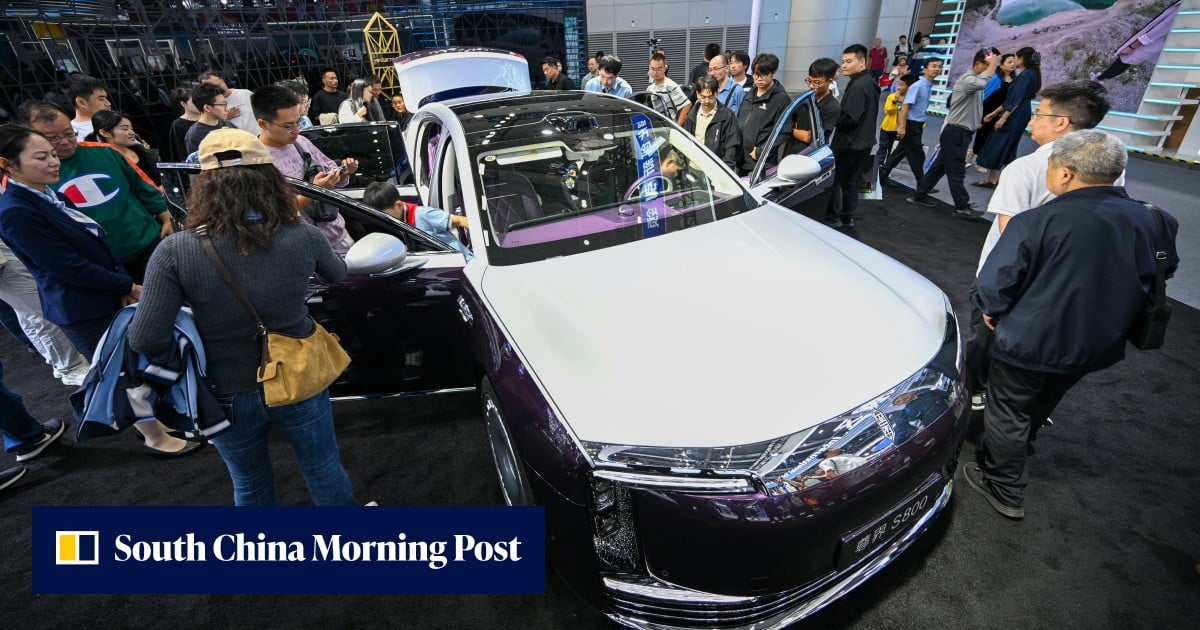
A growing segment of rich Chinese buyers, including younger and professionally diverse individuals, are shifting their preference to local premium EV brands. This trend is driven by domestic manufacturers meeting high standards in technology, safety, and driving experience, which are now seen as more important than the traditional prestige of foreign marques.
Imagine rich kids in China used to only want fancy toy cars from other countries because they looked cool. But now, they're choosing super smart electric toy cars made in China because these cars have amazing new gadgets and are really fun and safe to drive, even more so than the old famous ones. It's like they care more about how clever and fun the car is than just its famous name.
Analysis
The shift in preference among affluent Chinese consumers towards domestic high-end electric vehicles (EVs) marks a significant evolution in the global automotive landscape, particularly for the integration of advanced technology. This trend, highlighted by figures like Guangdong-based healthcare entrepreneur Eric Huang, underscores a growing confidence in local brands to deliver on performance, safety, and cutting-edge features that were once the exclusive domain of foreign luxury marques. Huang, who owns a Lamborghini Aventador and a Tesla Model S Plaid, explicitly states his intention to purchase a premium Chinese electric minivan, budgeting around 1 million yuan. His decision is rooted in domestic brands now meeting his "strict safety standards" and technological expectations, indicating a maturation of the Chinese EV industry beyond mere affordability. This pivot suggests that for a discerning segment of the market, the tangible benefits of advanced engineering and user experience are now outweighing the intangible allure of traditional brand prestige.
Eric Huang
Eric Huang's personal journey exemplifies the broader market shift. As an owner of both a high-performance luxury combustion engine vehicle and a leading foreign EV, his perspective carries weight. His initial loyalty to Tesla for its safety standards has evolved, recognizing that Chinese domestic brands have now achieved comparable, if not superior, benchmarks in his view. This personal endorsement from a high-net-worth individual signals a profound change in perception, moving from skepticism or brand loyalty to an appreciation for indigenous innovation. His specific interest in a six-seat premium electric minivan also points to a demand for versatile, family-oriented luxury EVs that integrate advanced features, likely including sophisticated AI-driven infotainment and driver-assistance systems.
Guanyan Tianxia
A report by Beijing-based consultancy Guanyan Tianxia further substantiates this trend, providing a broader analytical framework. The consultancy's findings indicate that Chinese luxury-car buyers are becoming younger and more professionally diverse, a demographic shift that naturally aligns with a greater openness to new technologies and less emphasis on traditional status symbols. This younger cohort prioritizes tangible attributes such as technology and driving experience, which are increasingly seen as more valuable than the historical prestige associated with foreign luxury names. The report's projection for China's luxury car market from 2025 to 2032 suggests that this reorientation of consumer values will continue to shape purchasing decisions, pushing domestic manufacturers to innovate further in areas heavily reliant on artificial intelligence, from autonomous driving capabilities to personalized in-cabin experiences.
1 million yuan
The willingness of consumers like Eric Huang to allocate a budget of approximately 1 million yuan (US$148,000) for a domestic premium EV underscores the significant value proposition these vehicles now offer. This substantial investment is not merely for transportation but for a comprehensive package of advanced technology, superior driving dynamics, and enhanced safety features. Such a price point allows for the integration of sophisticated AI components, including advanced sensor suites for ADAS, powerful processors for real-time data analysis, and intelligent software for battery management and predictive maintenance. The robust demand at this high-end segment indicates a healthy and competitive domestic market, where innovation is rewarded, and consumers are prepared to pay a premium for vehicles that deliver on the promise of a technologically advanced and superior driving experience, increasingly powered by AI.
Key points
- Rich Chinese consumers are increasingly opting for domestic high-end electric vehicles (EVs).
- Technology, safety, and driving experience are now prioritized over the prestige of foreign luxury brands.
- Younger and professionally diverse buyers are driving this change in consumer preference.
- Domestic EV brands are successfully meeting high standards previously associated with international marques.
- Consumers are willing to spend significant amounts, such as 1 million yuan, on these advanced domestic EVs.
The growing preference for domestic high-end EVs driven by technology suggests a robust innovation ecosystem in China, potentially leading to accelerated advancements in automotive AI, smart vehicle features, and sustainable transportation solutions that could benefit global markets.
This shift poses a significant challenge for traditional foreign luxury car brands, as they risk losing substantial market share in China's lucrative high-end segment if they fail to adapt quickly to consumer demands for advanced technology and driving experience over brand prestige.