Robinhood CEO Vlad Tenev's X Account Hacked to Shill Fake 'Vladhood' Token
Robinhood CEO Vlad Tenev's verified X account was hacked to promote a fake meme coin called Vladhood (VLAD). The company confirmed the breach and secured the account.
Intelligence analysis by Llama
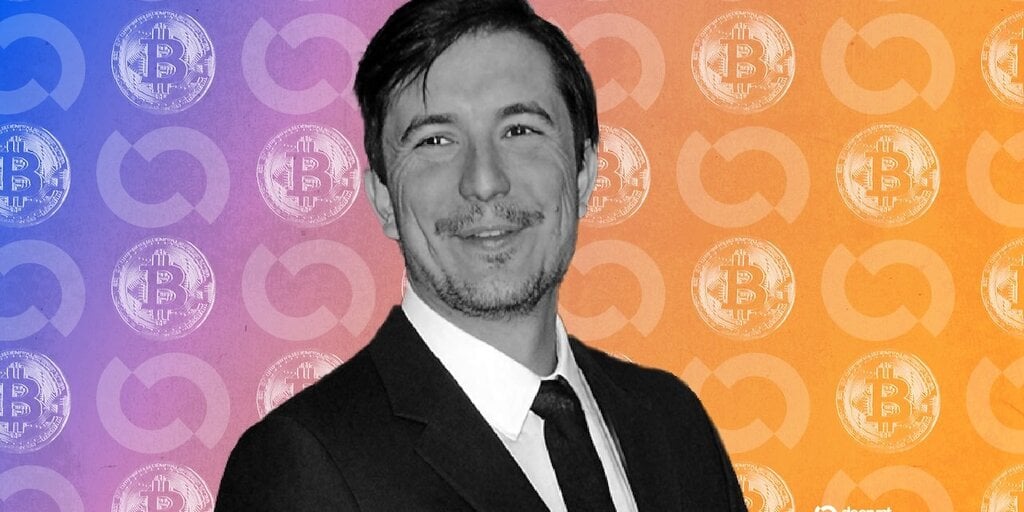
Attackers hijacked Robinhood CEO Vlad Tenev's X account to promote a fake meme coin called Vladhood. The company has secured the account and confirmed the breach.
Imagine someone hacking into a famous person's social media account and using it to promote a fake product. That's what happened to Robinhood CEO Vlad Tenev's X account, where attackers used it to promote a fake meme coin called Vladhood. The company quickly secured the account and deleted the post, but the incident highlights the risks of social media platforms being used for malicious activities.
Analysis
A Breach of Trust: The Hacking of Vlad Tenev's X Account
The recent hacking incident involving Robinhood CEO Vlad Tenev's verified X account is a stark reminder of the risks associated with social media platforms being used for malicious activities. The attackers, who hijacked the account, used it to promote a fake meme coin called Vladhood (VLAD). The incident has raised concerns about the security of social media platforms and the potential for them to be used for fraudulent activities.
The breach occurred on Thursday, when attackers took control of Tenev's X account and used it to promote the fake meme coin. The post, which has since been deleted, pitched Vladhood as the 'official mascot of Robinhood Crypto' and framed it as a legitimate investment opportunity. However, the post was unauthorized and was quickly deleted by the company.
In a statement, Robinhood confirmed the breach and stressed that the account has been secured. The company's communications team said that the incident was a 'clear example of the risks associated with social media platforms being used for malicious activities.'
The incident highlights the importance of social media platforms taking steps to prevent such breaches from occurring in the future. It also underscores the need for users to be vigilant and cautious when interacting with social media platforms, particularly in the cryptocurrency space.
The Rise of Speculative Meme Coins
The hacking incident is also a reminder of the rise of speculative meme coins on the Robinhood Chain, the Ethereum layer-2 launched in July. These coins have eclipsed tokenized stocks on the network, and the incident highlights the risks associated with investing in such coins.
The Robinhood Chain has been designed to provide a fast and secure way for users to buy, sell, and trade cryptocurrencies. However, the rise of speculative meme coins has raised concerns about the potential for market manipulation and the risks associated with investing in such coins.
The Importance of Security
The hacking incident highlights the importance of security in the cryptocurrency space. Social media platforms, in particular, need to take steps to prevent such breaches from occurring in the future. This includes implementing robust security measures, such as two-factor authentication and encryption, to prevent unauthorized access to accounts.
In addition, users need to be vigilant and cautious when interacting with social media platforms, particularly in the cryptocurrency space. This includes being aware of the risks associated with investing in speculative meme coins and being cautious when interacting with unknown or unverified accounts.
Key points
- Robinhood CEO Vlad Tenev's X account was hacked to promote a fake meme coin called Vladhood (VLAD).
- The company confirmed the breach and secured the account.
- The incident highlights the risks associated with social media platforms being used for malicious activities.
- The rise of speculative meme coins on the Robinhood Chain has raised concerns about the potential for market manipulation and the risks associated with investing in such coins.
- Social media platforms need to take steps to prevent such breaches from occurring in the future.
The incident highlights the importance of social media platforms taking steps to prevent such breaches from occurring in the future. This includes implementing robust security measures, such as two-factor authentication and encryption, to prevent unauthorized access to accounts.
The incident raises concerns about the potential for market manipulation and the risks associated with investing in speculative meme coins. It also highlights the need for users to be vigilant and cautious when interacting with social media platforms, particularly in the cryptocurrency space.