Rubio hopeful for Iran deal, insists on nuclear curbs
Rubio said a deal to end the war with Iran could come soon, but only if Tehran sharply cuts its nuclear program and reopens the Strait of Hormuz.
Intelligence analysis by GPT-5.4 Mini
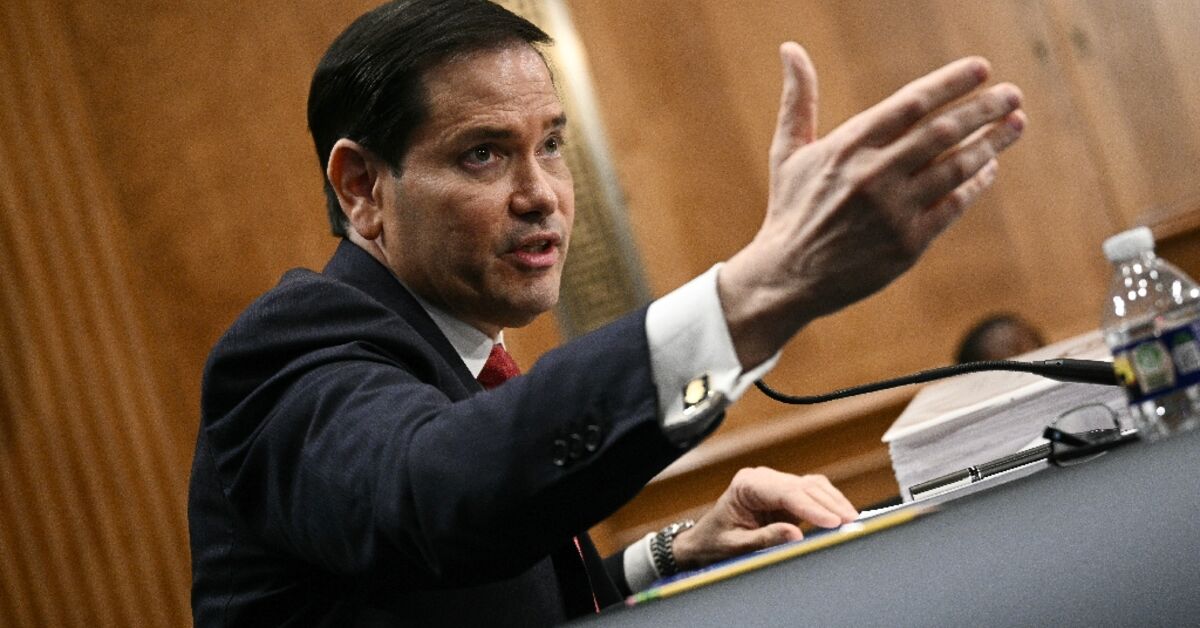
At a Senate hearing, Marco Rubio presented a possible Iran deal as close at hand, while saying sanctions relief depends on Tehran giving up nuclear activities and restoring shipping through Hormuz. His remarks came as the war has stalled and recent exchanges of strikes continue.
Rubio is saying a deal with Iran might happen soon, but Iran would have to put away its dangerous nuclear stuff first. It is like saying two kids can stop fighting only if one gives back the toy and opens the blocked door.
Analysis
Rubio’s message
Secretary of State Marco Rubio told a Senate Foreign Relations Committee hearing that a deal could arrive quickly, saying it might happen “today,” “tomorrow,” or “next week.” His condition was clear: Iran would need to sharply curtail its nuclear work before sanctions could be lifted.
What Washington is demanding
Rubio said Iran is sanctioned because of its nuclear activities, including highly enriched uranium, and argued that relief would only follow if Tehran gives up those capabilities. He also said any peace agreement would require reopening the Strait of Hormuz, which has been closed and is still disrupting global energy markets.
The state of the conflict
The article says the three-month US-Israeli war on Iran appears to have reached an impasse, even though a ceasefire has largely held since early April. It also notes that Iranian and US forces have traded strikes in recent days. Rubio tried to minimize the continuing fighting, saying, “the war is over.”
Rubio’s case for pressure
Rubio defended the war effort by saying it had damaged Iran’s ability to retaliate. He said Iran has no navy left, has lost part of its defense industrial base, and has lost a large share of its missile launchers. He also said Iran’s economy is now much worse than six to nine months ago.
Leadership and succession claim
Rubio said Mojtaba Khamenei, whom he identified as Iran’s supreme leader, was wounded in the strikes, had not been seen publicly, and is alive and increasingly active. The article says he succeeded his father, Ali Khamenei, who was killed in the first wave of strikes on February 28.
Key points
- Rubio said a deal to end the war with Iran could come very soon.
- He said sanctions relief depends on Iran curbing its nuclear program.
- He also said Iran must reopen the Strait of Hormuz for peace to hold.
- The article says the war has hit an impasse even as a ceasefire largely holds.
- Rubio said recent US-Israeli strikes reduced Iran's military and economic capacity.
If Iran accepts tighter limits on its nuclear program, sanctions relief could follow. Reopening the Strait of Hormuz would also ease pressure on global energy markets and help reduce the risk of further escalation.
If Tehran refuses to curb its nuclear activity, sanctions are likely to stay in place and the talks could remain stalled. Continued strikes or a prolonged closure of the Strait of Hormuz would keep the conflict and energy disruption alive.